



Durable & Efficient Fiberglass Rectangular Tank Solutions | JRAIN-FRP
Fiberglass Rectangular Tank is a key solution in the industry, specifically within sectors requiring reliable, corrosion-resistant storage and processing units. This article explores how https://www.jrain-frp.com supports professionals with durable, high-performance products, and explains why this product is an ideal choice for businesses in these sectors.
Table of Contents
- Fiberglass Rectangular Tank Overview
- Benefits & Use Cases of Fiberglass Rectangular Tank
- Cost, Maintenance & User Experience
- Sustainability & Market Trends
Fiberglass Rectangular Tank Overview
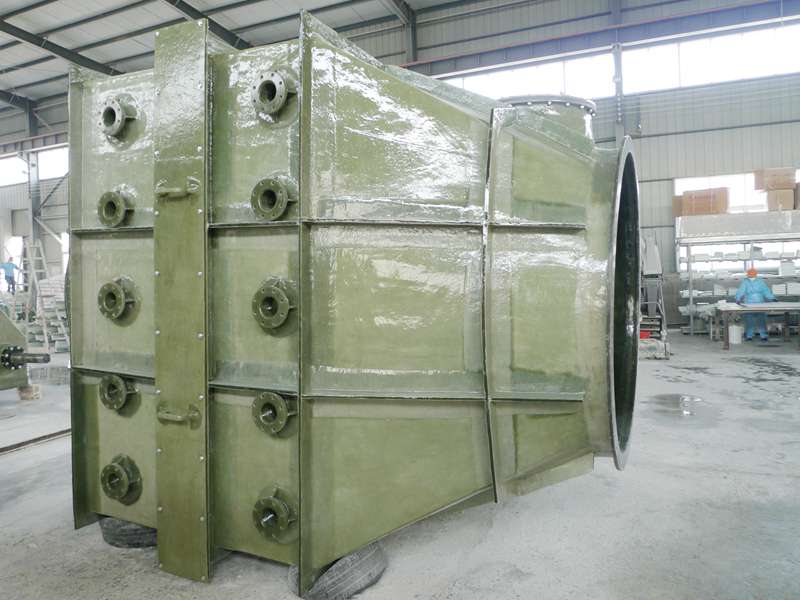
Frankly, the Fiberglass Rectangular Tank is one of those industrial workhorses that doesn’t get the spotlight it deserves. Basically, it’s a storage tank shaped in a rectangular form, made from fiberglass-reinforced plastic (FRP). This material choice is what really sets it apart because FRP is exceptionally strong, lightweight, and resists corrosion better than many metals. What’s cool is that this tank finds its place in harsh environments where chemicals and moisture can quickly wear down traditional storage solutions. Oh, and because it’s rectangular, it fits snugly into tight spaces and stacks well, making it a practical choice for many facilities.
On the technical side, these tanks typically come with a corrosion-resistant resin layer, combined with strong glass fibers, offering durability and flexibility in design. For example, a case study from a chemical plant reported over 10 years of trouble-free service despite exposure to acidic liquids. The specs can vary widely though, from smaller 500-gallon units up to massive custom-built tanks holding tens of thousands of gallons — so there’s plenty of versatility.
| Specification | Typical Range |
|---|---|
| Capacity | 500 - 50,000 gallons |
| Material | Fiberglass Reinforced Plastic (FRP) |
| Temperature range | -40°F to 250°F (-40°C to 120°C) |
| Shape | Rectangular |
| Common industries | Chemical, wastewater, food processing, pharmaceuticals |
Benefits & Use Cases of Fiberglass Rectangular Tank
When it comes to practical advantages, these tanks are pretty compelling. Industries that routinely deal with corrosive substances — think chemical manufacturing or wastewater treatment plants — really value their resilience. They don’t rust, corrode, or degrade like metal tanks might, which means less downtime and fewer replacements. Plus, their lightweight nature often translates into easier installation and lower transportation costs, something many procurement managers tell me they appreciate.
The design flexibility is another strong point. Since fiberglass can be molded, tanks are often customized for specific space constraints or unusual liquid handling requirements. What I’ve noticed is that the straightforward rectangular shape helps optimize storage in places where cylindrical tanks just don’t work well. Moreover, due to the non-porous surface of the material, these tanks are easier to clean, making them suitable for sensitive sectors like food processing or pharmaceuticals.
Vendor Comparison Table
| Feature | JRAIN-FRP | Competitor A | Competitor B |
|---|---|---|---|
| Customization | High (custom shapes & sizes) | Medium | Low |
| Corrosion Resistance | Excellent | Good | Fair |
| Lead Time | 4-6 weeks | 6-8 weeks | 8-12 weeks |
| Warranty | 5 years | 3 years | 2 years |
| Price | Competitive | Higher | Variable |
Cost, Maintenance & User Experience
When considering total cost of ownership, many decision makers find the upfront investment slightly higher than basic steel tanks. But in real terms, the reduced maintenance costs — thanks to superb corrosion resistance — mean fewer repairs and zero repainting. This lowers downtime and extends lifespan comfortably beyond 15 years in many cases. Funny enough, some customers remarked that while the initial outlay felt steep, the ease of maintenance really tipped the scales in favor of fiberglass tanks.
I suppose what’s often overlooked is the user experience: lighter tanks allow faster installation, which speeds project timelines noticeably. Plus, the non-contaminating nature of FRP tanks appeals to industries with strict cleanliness standards. Some clients shared that the peace of mind from reliable warranty terms combined with strong customer support made JRAIN-FRP a partner they trust long-term.
Sustainability & Market Trends
Oddly enough, sustainability in industrial storage hasn’t always been front and center, but that’s changing fast. Fiberglass rectangular tanks fit nicely into this narrative, mainly due to their longevity and recyclability. Industry regulations are tightening on chemical containment and leak prevention, so tanks that can guarantee structural integrity over many years become not just preferable but essential.
In terms of growth, the FRP tank market is expanding steadily, with innovations in resin formulations improving environmental footprint and performance. You might hear engineers talk about the shift from traditional metals to composites as a real game-changer — it’s about cutting costs and carbon impacts simultaneously. Manufacturers like JRAIN-FRP are proactively developing solutions that blend durability with eco-friendliness, which speaks volumes about where the market’s headed.
Frequently Asked Questions about Fiberglass Rectangular Tank
- What is Fiberglass Rectangular Tank and how does it work?
- Essentially, a Fiberglass Rectangular Tank is a storage container made from fiberglass reinforced plastic, designed in a boxy rectangular shape. It works by safely containing liquids or chemicals while resisting corrosion and structural wear thanks to its composite material makeup.
- What are the main benefits of using Fiberglass Rectangular Tank in industrial applications?
- The key benefits include excellent corrosion resistance, lightweight construction, ease of installation, and customization flexibility. These tanks also typically require less maintenance and offer longer service life compared to metal alternatives.
- How does Fiberglass Rectangular Tank compare to traditional alternatives?
- Compared to steel or concrete tanks, fiberglass tanks resist rust and chemical attack far better, are lighter, and often more adaptable in shape. Their non-metallic nature also means no contamination, making them ideal for hygienic industries.
- What industries can benefit most from Fiberglass Rectangular Tank implementation?
- Industries like chemical manufacturing, wastewater treatment, food & beverage processing, pharmaceuticals, and agriculture typically benefit the most. For example, a chemical plant recently upgraded to these tanks and reported significant reductions in downtime.
Conclusion on Fiberglass Rectangular Tank from china
To sum it up, the Fiberglass Rectangular Tank from trusted suppliers like JRAIN-FRP delivers a smart balance of durability, versatility, and cost-effectiveness. Whether your business needs tough chemical resistance or flexible design, these tanks stand out as a dependable choice. For anyone in the market for industrial storage, it’s definitely worth a closer look.
- Robust performance tailored to demanding environments.
- Visit our website: https://www.jrain-frp.com
Reflecting on the industry, it’s clear that as B2B sectors push for sustainable yet practical solutions, fiberglass tanks will likely remain staples in industrial storage for years to come. It’s kind of reassuring to know you don’t have to sacrifice reliability to embrace innovation.
- Case Study: Chemical Plant Annual Report, 2023
- EPA Pipe and Tank Guidelines, 2022
- Industry Trends Report, Composite Materials, 2024



Latest news
-
Industrial Storage Guide for Fiberglass Chemical TanksNewsApr.09,2026
-
Explore Durable and Customizable Custom Fiberglass Tanks for Your IndustryNewsApr.07,2026
-
Comprehensive Guide to Fiberglass Roof Tanks for Liquid Storage SolutionsNewsApr.04,2026
-
Comprehensive Guide to Durable and Corrosion Resistant Glass Fiber TanksNewsMar.31,2026
-
Comprehensive Guide to Tank Fiberglass Solutions and Their Diverse ApplicationsNewsMar.28,2026
-
Comprehensive Guide to Large Diameter Fiberglass Pipe SolutionsNewsMar.26,2026