



Durable Fiberglass Transport Tanks for Industrial Use | JRAIN FRP
Fiberglass Transport Tank: Durable Solutions for Industrial Fluid Handling
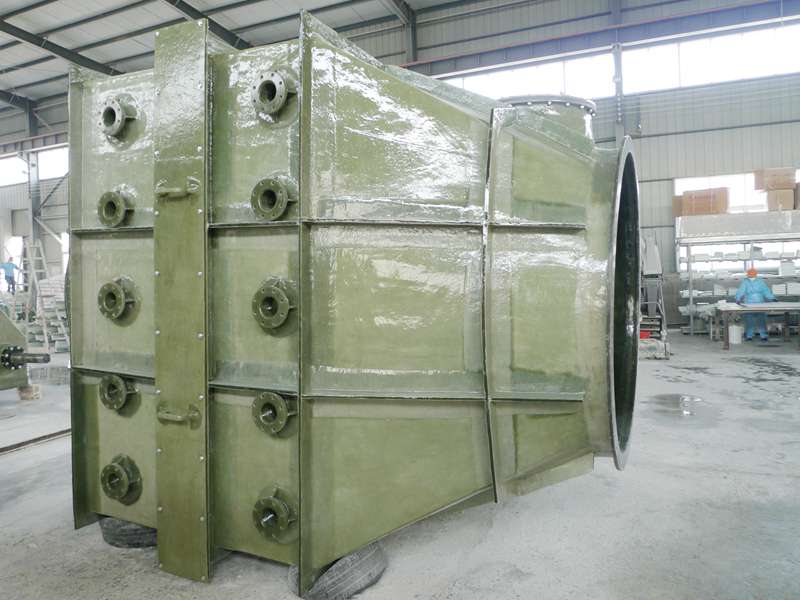
Having spent over a decade in the industrial equipment sector, I’ve come to appreciate the subtle but crucial role that a good fiberglass transport tank plays in moving liquids safely and efficiently. It’s not something that usually attracts headlines, but when you rely on these tanks daily, their design, materials, and build quality make all the difference.
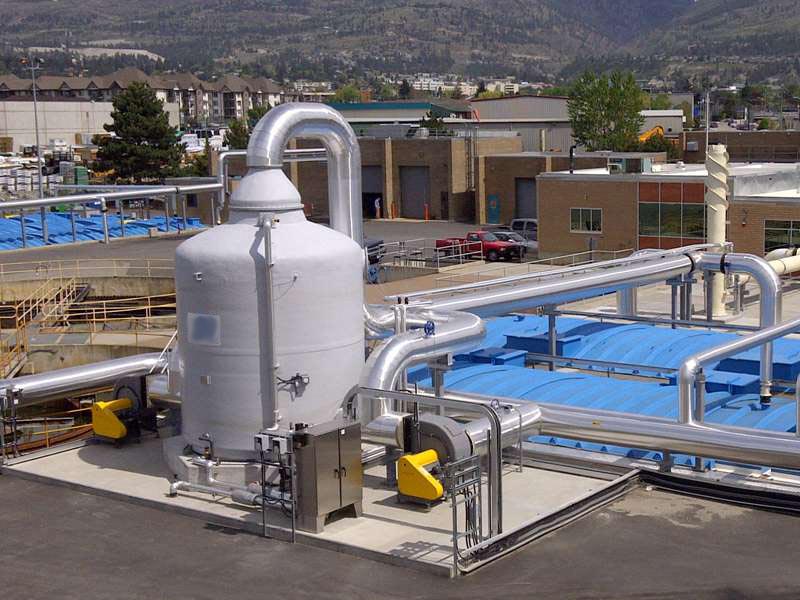
Oddly enough, the choice of fiberglass as a material sometimes surprises newcomers. It’s lighter than steel yet remarkably strong and resistant to corrosion, which frankly feels like a blessing. In industries ranging from chemical transport to agriculture, these tanks often outlast alternative materials without the same maintenance headaches.
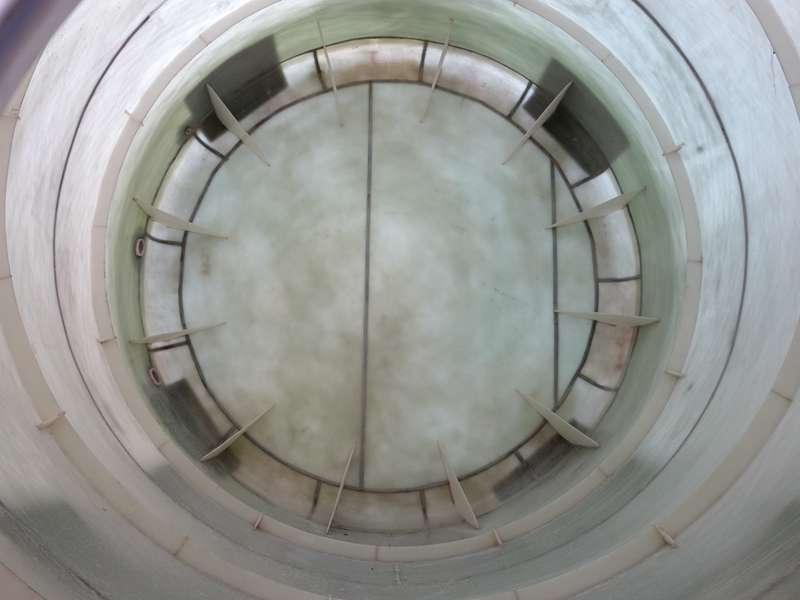
From my experience, one of the key insights to share is how customization can transform a generic tank into a perfect fit for a client’s workflow. Whether it’s fitting additional baffles to reduce liquid sloshing or specialized coatings for acidic contents, these options are more than mere bells and whistles. They significantly improve operational uptime and transport safety.
Product Specifications of a Typical Fiberglass Transport Tank
| Feature | Specification |
|---|---|
| Material | Fiberglass Reinforced Plastic (FRP) |
| Capacity Range | 500 to 5000 gallons |
| Typical Weight | 1500 - 3500 lbs (empty) |
| Corrosion Resistance | Excellent, ideal for acids & solvents |
| Standard Features | Integrated manway, venting valves, mounting brackets |
| Customization Options | Baffles, coatings, sizes, fittings |
I recall a client in the agricultural sector who needed a tank that wouldn’t degrade after exposure to fertilizers and pesticides. After specifying a fiberglass tank with reinforced resin and custom coatings, they reported significant improvement in lifespan versus their older steel tanks. It's these kinds of real-world successes that make fiberglass tanks feel like a quiet game-changer.
Comparing Popular Fiberglass Transport Tank Vendors
| Vendor | Standard Capacities | Customization Level | Typical Lead Time | Warranty |
|---|---|---|---|---|
| JRAIN FRP | 500 – 5000 gallons | High (baffles, coatings, fittings) | 4-6 weeks | 5 years limited |
| FibroTank Co. | 600 – 4000 gallons | Medium | 6-8 weeks | 3 years |
| ClearResins Ltd. | 1000 – 3000 gallons | Low (mostly stock models) | 3-5 weeks | 2 years |
Many engineers I’ve worked alongside stress the importance of vendor reliability, especially when downtime means lost productivity. It’s tempting to pick the quickest turnaround, but in real terms, quality and customization options often save money over the tank’s lifetime. For example, JRAIN FRP offers a strong balance of customization and warranty, which is why I’ve often recommended them for tough industrial applications.
Testing standards are another area where I’ve seen some differences. In my view, reputable vendors will provide tanks tested for leak resistance, UV degradation, and sometimes even impact resistance. It’s not always spelled out in product brochures, so I encourage asking upfront – it’s better to be clear than sorry when hauling sensitive fluids.
To sum up, fiberglass transport tanks may not be flashy, but they certainly deserve respect. Their blend of durability, weight savings, and corrosion resistance fits multiple sectors well — from chemicals to agriculture to water treatment. And frankly, after years in the field, I see them as an unsung hero of industrial transport solutions.
If you’re considering a fiberglass tank for your operation, do your homework on specs and vendors — and keep an eye out for practical customizations. It’ll pay off.
References:
1. Industrial Fluid Handling Trends, 2023
2. ASTM Standards for FRP Tanks
3. Personal field experience, 2010–2023


Latest news
-
Industrial High Pressure Fiberglass Pipe Guide and Technical SpecsNewsApr.16,2026
-
Industrial Storage Guide for Fiberglass Chemical TanksNewsApr.09,2026
-
Explore Durable and Customizable Custom Fiberglass Tanks for Your IndustryNewsApr.07,2026
-
Comprehensive Guide to Fiberglass Roof Tanks for Liquid Storage SolutionsNewsApr.04,2026
-
Comprehensive Guide to Durable and Corrosion Resistant Glass Fiber TanksNewsMar.31,2026
-
Comprehensive Guide to Tank Fiberglass Solutions and Their Diverse ApplicationsNewsMar.28,2026