

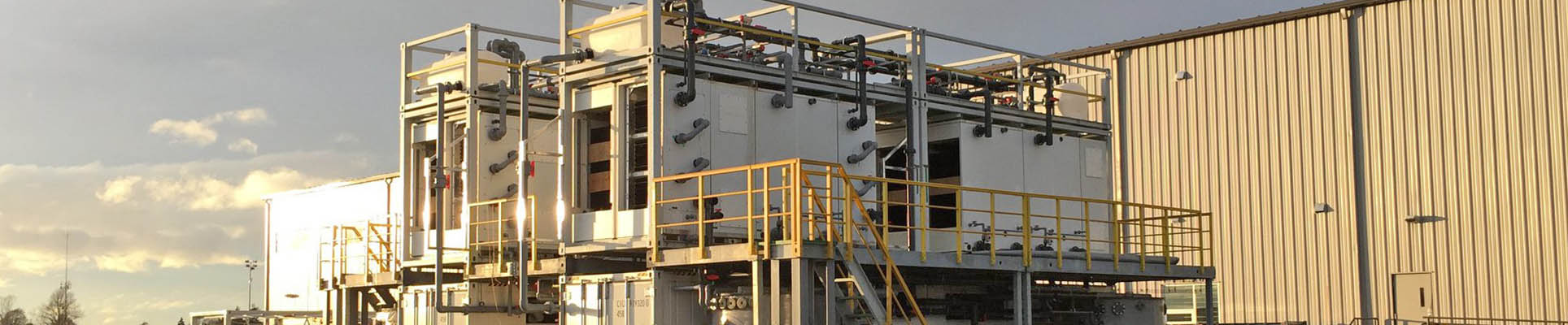

Durable Grp Cover Solutions for Industrial Infrastructure | JRain-FRP
Grp Cover is a key solution in the industry, specifically within infrastructure, utilities, and industrial safety sectors. This article explores how https://www.jrain-frp.com supports professionals with durable, high-performance products, and explains why this product is an ideal choice for businesses in these sectors.
Table of Contents
- Grp Cover Overview
- Benefits & Use Cases of Grp Cover
- Cost, Maintenance & User Experience
- Sustainability & Market Trends
Grp Cover Overview
In short, a Grp Cover is a composite cover made from Glass Reinforced Plastic (GRP), designed to protect underground infrastructure like cable pits, drainage systems, and access points. Its relevance has surged with the push for lightweight yet sturdy materials in industrial applications. Frankly, GRP covers balance strength, corrosion resistance, and longevity in a way that traditional metal or concrete just can’t match sometimes.
- Typically manufactured using continuous glass fibers and polymer resin, GRP ensures excellent tensile strength while minimizing weight.
- For example, a recent case study from an urban drainage project showed the cover resisting over 60,000 cycles of load testing without degradation.
| Specification | Details |
|---|---|
| Material | Glass Reinforced Plastic (GRP) |
| Load Capacity | Up to 60 kN (depending on model) |
| Weight | Approximately 25-40% lighter than steel covers |
| Dimensions | Customizable: standard shapes and bespoke sizes available |
| Standards | Compliant with ISO 12499 and ASTM D2583 |
Benefits & Use Cases of Grp Cover
Industries ranging from telecommunications to wastewater management often turn to GRP covers for their versatile protection properties. What struck me visiting a plant recently was how these covers combine safety and ease of use—professionals like how the lightweight design means quicker installation and handling without specialized equipment.
- Ideal for utility services where corrosion resistance is crucial, especially underground or coastal environments.
- Features like custom color coding and anti-slip surfaces add to functional advantages, letting engineers tailor covers to site-specific needs.
Oddly enough, many users report fewer theft issues with GRP covers compared to metal ones—a small but important win for infrastructure managers.
Cost, Maintenance & User Experience
Considering total cost of ownership, GRP covers typically score well due to low maintenance demands and durability against harsh weather or chemicals. It’s the kind of scenario where an upfront slightly higher cost pays dividends by slashing repairs and replacements years down the line.
- Unlike steel covers, GRP won’t rust or pit, reducing regular upkeep significantly.
- Many industrial clients have shared positive feedback noting the ease of installation translates to less downtime on site — critical in busy commercial operations.
Of course, practical user experience is a mixed bag sometimes depending on specific site conditions, but overall GRP covers have earned a solid reputation.
Sustainability & Market Trends
The sustainability angle can’t be overstated. With increasing regulations pushing for environmentally friendly building materials, GRP covers not only fit that bill due to their long lifecycle and recyclability but also because their production often consumes less energy than traditional concrete or steel options.
- Industry growth is tied closely to urban infrastructure improvement projects worldwide, where lightweight, durable composites reign.
- Companies like JRain-ERP are innovating constantly, adding fire resistance and load-bearing enhancements which push the market forward.
| Vendor | Material Quality | Customization | Lead Time | Typical Applications |
|---|---|---|---|---|
| JRain-FRP | Premium, ISO-certified composites | Tailored sizes & color options | 3-5 weeks | Water & telecom industries |
| Vendor B | Standard composite grades | Limited customization | 4-7 weeks | Road drainage & architecture |
| Vendor C | Economy-grade composites | No customization | 6-8 weeks | Basic utility covers |
Frequently Asked Questions about Grp Cover
- What is Grp Cover and how does it work?
- Grp Cover stands for Glass Reinforced Plastic Cover, which protects access points or pits by offering a strong, lightweight barrier that resists corrosion and loads. It works by combining glass fibers with resin to form a durable shell suited for industrial exposures.
- What are the main benefits of using Grp Cover in industrial applications?
- The biggest advantages include exceptional corrosion resistance, substantial weight reduction compared to metal alternatives, and customizable design options — all contributing to safety, cost savings, and performance.
- How does Grp Cover compare to traditional alternatives?
- Compared with concrete or steel covers, GRP covers outshine by being lighter, easier to install, and resistant to rust or cracking. These factors reduce installation time and ongoing maintenance, which is a practical edge for many users.
- What industries can benefit most from Grp Cover implementation?
- Major beneficiaries are telecommunication, electrical utilities, water treatment, and environmental infrastructure sectors — basically anywhere reliability and corrosion resistance are priorities.
Conclusion on Grp Cover from china
To wrap things up, Grp Cover products stand out as a smart investment for companies prioritizing durability and efficiency in infrastructure projects. The flexibility in design and low lifecycle costs make them a compelling alternative to outdated materials. For anyone curious to dive deeper or source these covers directly, I’d say, visit our website: https://www.jrain-frp.com.
- Recap the value of Grp Cover.
- - "Visit our website: https://www.jrain-frp.com"
Reflecting on this, it feels like GRP covers are quietly reshaping infrastructure reliability in ways we might only fully appreciate in a few years. As technology and materials evolve, so too does our ability to protect critical assets with smarter, lighter solutions.
Latest news
-
Industrial High Pressure Fiberglass Pipe Guide and Technical SpecsNewsApr.16,2026
-
Industrial Storage Guide for Fiberglass Chemical TanksNewsApr.09,2026
-
Explore Durable and Customizable Custom Fiberglass Tanks for Your IndustryNewsApr.07,2026
-
Comprehensive Guide to Fiberglass Roof Tanks for Liquid Storage SolutionsNewsApr.04,2026
-
Comprehensive Guide to Durable and Corrosion Resistant Glass Fiber TanksNewsMar.31,2026
-
Comprehensive Guide to Tank Fiberglass Solutions and Their Diverse ApplicationsNewsMar.28,2026