


Durable Fiberglass Step Solutions for Industrial Use | Jrain_FRP
Fiberglass Step is a key solution in the industry, specifically within sectors requiring lightweight yet durable access components. This article explores how https://www.jrain-frp.com supports professionals with durable, high-performance products, and explains why this product is an ideal choice for businesses in these sectors.
Table of Contents
- Fiberglass Step Overview
- Benefits & Use Cases of Fiberglass Step
- Cost, Maintenance & User Experience
- Sustainability & Market Trends
- Frequently Asked Questions about Fiberglass Step
- Conclusion on Fiberglass Step from China
Fiberglass Step Overview
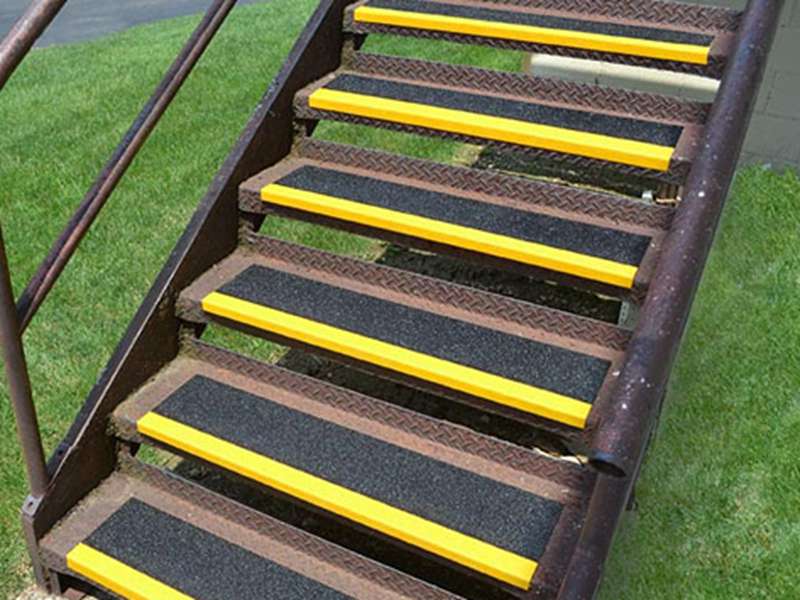
So, what exactly is a fiberglass step? Essentially, it’s a step made from fiberglass reinforced plastic (FRP), designed to provide sturdy, slip-resistant footing primarily in industrial and commercial environments. The beauty of fiberglass steps lies in their combination of strength, corrosion resistance, and lightweight construction — and oddly enough, despite being so tough, they’re way easier to handle than their metal counterparts.
Technically speaking, these steps are crafted by embedding glass fibers within a resin matrix, resulting in a material that offers excellent tensile strength and chemical resistance. For example, in a recent case study involving chemical plants, fiberglass steps from Jrain_FRP showcased exceptional durability even under harsh exposure to acids and alkaline compounds, with negligible wear over several years. Some specs to keep in mind:
| Specification | Typical Values |
|---|---|
| Material | Fiberglass Reinforced Plastic (FRP) |
| Load Capacity | Up to 1500 lbs (per step) |
| Slip Resistance | ASTM D2047 - Certified |
| Dimensions | Customizable (Typical: 12" x 36") |
| Corrosion Resistance | Excellent in chemicals, saltwater |
Benefits & Use Cases of Fiberglass Step
It’s fascinating to see how versatile fiberglass steps have become across various industries. From oil and gas platforms to wastewater treatment facilities, these steps provide safe, reliable access where metal might corrode or become slippery. Many decision makers appreciate the non-conductive properties of fiberglass steps — which means safer environments around electrical equipment.
What stands out, frankly, is the hassle-free installation and the fact that they’re resistant to fading or brittleness in UV-heavy outdoor environments. Also, their customization options—like varying tread patterns or sizes—give engineers and architects excellent design flexibility. Compared to steel or concrete steps, fiberglass steps edge out in being lighter and resistant to rust, not to mention easier on worker safety.
Here’s a quick comparison of top vendors, illustrating why many industrial buyers favor Jrain_FRP products:
| Vendor | Material Quality | Customization | Lead Time | Price Range |
|---|---|---|---|---|
| Jrain_FRP | High-grade ASTM-certified | Extensive options | 4-6 weeks | Mid-range |
| Vendor B | Standard FRP | Limited | 6-8 weeks | Lower |
| Vendor C | Premium composite | Moderate | 8-10 weeks | High |
Cost, Maintenance & User Experience
When you look beyond the unit price and focus on total cost of ownership, fiberglass steps tend to offer solid ROI in industrial settings. Their resistance to corrosion means significantly less replacement or repair costs — and less downtime, which, if you ask anyone in plant maintenance, matters a lot.
From discussions with several clients in the petrochemical realm, the user feedback often centers on how these steps maintain their surface grip even after years of exposure to oils or rain — a real safety bonus. Another plus, frankly, is the ease of cleaning; it’s more straightforward than metal steps that rust or concrete that stains.
Of course, upfront cost might feel a bit higher than traditional materials, but when factoring in longevity and reduced labor costs, the overall expenditure balances out — sometimes even declines over time.
Sustainability & Market Trends
Diving into sustainability, fiberglass steps stand out due to their recyclability potential and long lifespan, which discourages frequent replacement — that’s less landfill contribution. Increasingly, industries are pressured by regulations to use corrosion-resistant and environmentally friendly materials, nudging fiberglass steps into the spotlight.
Market reports suggest a steady growth in FRP applications, especially as energy and chemical sectors pivot towards safer, cleaner materials. Plus, IoT integration trends hint at future smart monitoring embedded into structural components — and yes, that could include steps that alert for wear or stress. Exciting stuff.
Frequently Asked Questions about Fiberglass Step
- What is Fiberglass Step and how does it work?
- A fiberglass step is a step made from fibreglass reinforced plastic (FRP) designed to provide durable, corrosion-resistant footing. It works by combining glass fibers for strength with resin for rigidity and chemical resistance, resulting in a lightweight but very strong step ideal for industrial use.
- What are the main benefits of using Fiberglass Step in industrial applications?
- The main benefits include resistance to corrosion and chemicals, slip resistance, lightweight handling, long service life, and low maintenance requirements, making them ideal for harsh environments.
- How does Fiberglass Step compare to traditional alternatives?
- Compared to steel or concrete steps, fiberglass steps are lighter, more resistant to corrosion, and often provide better slip resistance. While initial costs can be higher, the total cost of ownership tends to be lower due to durability and reduced maintenance.
- What industries can benefit most from Fiberglass Step implementation?
- Industries like petrochemical, wastewater treatment, power generation, marine, and chemical processing use fiberglass steps extensively because they require safe, corrosion-resistant access solutions under tough conditions.
Conclusion on Fiberglass Step from china
To wrap things up, fiberglass steps are a smart, practical investment for businesses looking for reliable and durable access solutions. Their strength, resistance to environmental hazards, and user-focused features make them an unbeatable choice in many demanding sectors. For those interested in exploring further, I’d say check out the detailed offerings at https://www.jrain-frp.com — it’s worth a look.
In short: If you're aiming for long-term performance and minimal headaches around stairs and steps in harsh environments, fiberglass steps just might be your best bet yet.
References
- Jrain_FRP Official Website
- ASTM International: Standards for FRP Materials
- Industry Report: Growth of FRP Applications in Chemical & Petrochemical Sectors
Latest news
-
Industrial High Pressure Fiberglass Pipe Guide and Technical SpecsNewsApr.16,2026
-
Industrial Storage Guide for Fiberglass Chemical TanksNewsApr.09,2026
-
Explore Durable and Customizable Custom Fiberglass Tanks for Your IndustryNewsApr.07,2026
-
Comprehensive Guide to Fiberglass Roof Tanks for Liquid Storage SolutionsNewsApr.04,2026
-
Comprehensive Guide to Durable and Corrosion Resistant Glass Fiber TanksNewsMar.31,2026
-
Comprehensive Guide to Tank Fiberglass Solutions and Their Diverse ApplicationsNewsMar.28,2026