

Comprehensive Guide to Durable Fiberglass Walkway Grating Solutions
Fiberglass Walkway Grating: A Comprehensive Guide
Ensuring workplace safety is paramount, and choosing the right flooring solution is a critical aspect of that. Fiberglass walkway grating offers a durable, corrosion-resistant, and safe alternative to traditional materials like steel. This article provides a detailed overview of fiberglass walkway grating, covering its benefits, applications, specifications, and why it's an excellent choice for various industries. We will explore why choosing the right grating can significantly reduce the risk of slips, falls, and corrosion-related issues in your facility.
What is Fiberglass Walkway Grating?
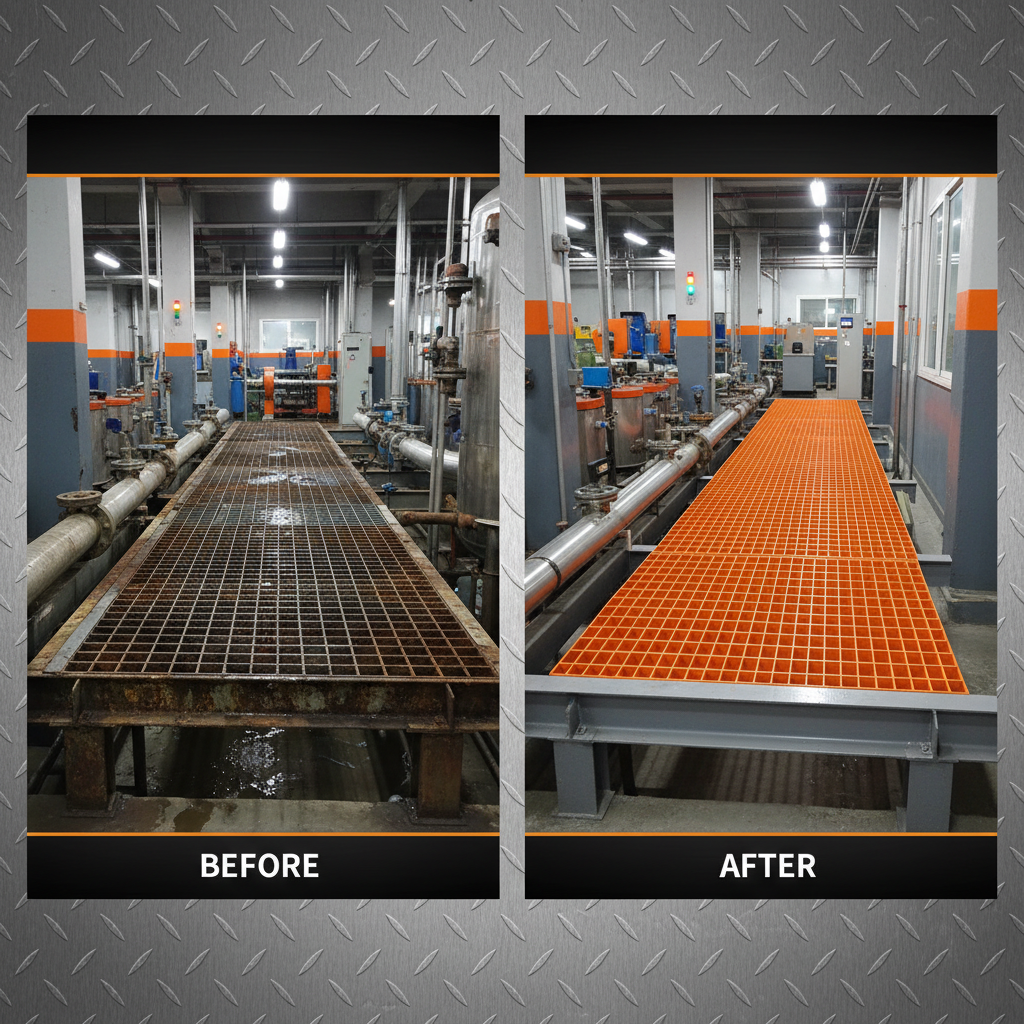
Fiberglass walkway grating, also known as FRP (Fiber Reinforced Polymer) grating, is a composite material made from glass fibers embedded in a resin matrix. This combination results in a product that is incredibly strong, lightweight, and resistant to a wide range of corrosive substances. Unlike steel, fiberglass grating won't rust or corrode, making it ideal for harsh environments. It's available in various mesh sizes and thicknesses to suit different load requirements and safety standards. JRAIN FRP specializes in providing high-quality fiberglass walkway grating solutions tailored to your needs.
Key Benefits of Using Fiberglass Walkway Grating
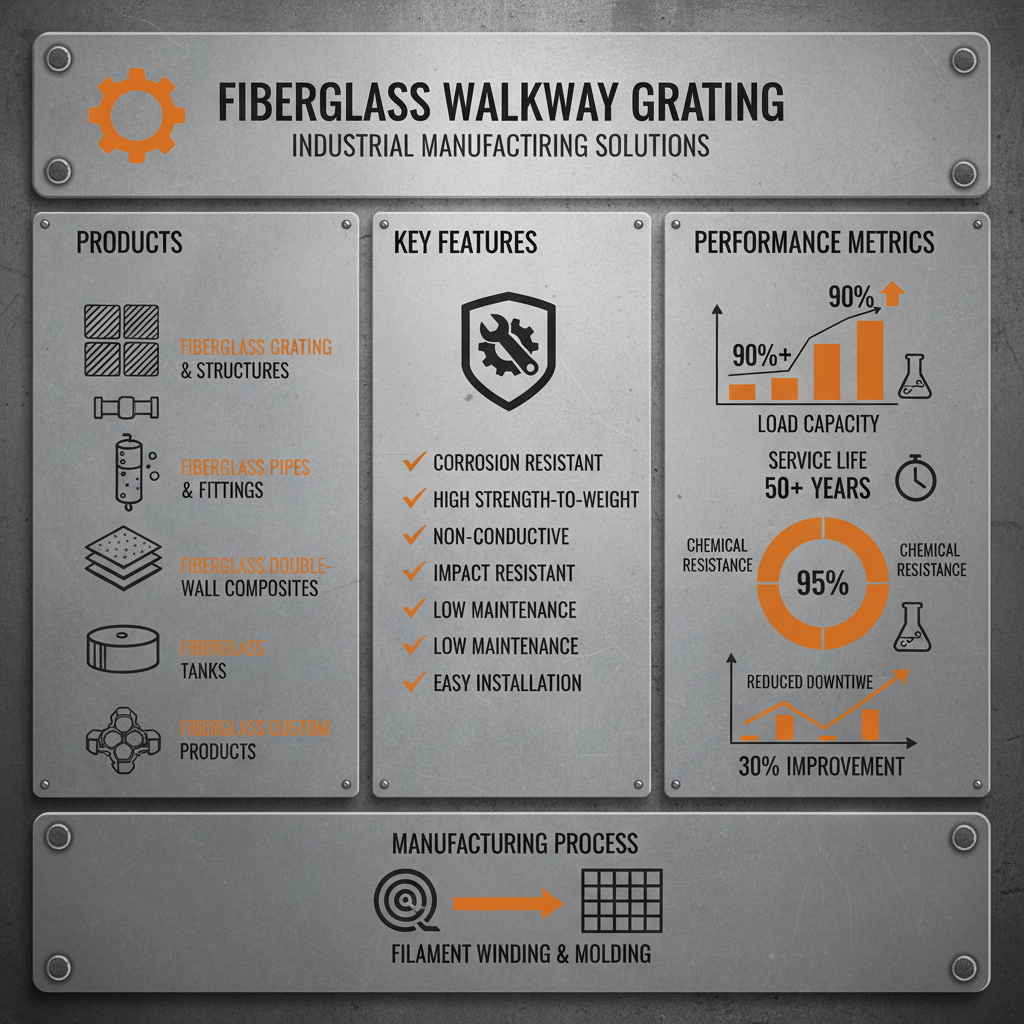
Fiberglass walkway grating offers a multitude of advantages over traditional materials. Corrosion resistance is a major benefit, particularly in environments exposed to salt water, chemicals, or harsh weather. Lightweight construction makes installation easier and reduces support structure requirements. High strength-to-weight ratio provides a durable and safe walking surface. Furthermore, fiberglass grating is non-conductive, making it a safe choice for electrical environments. Its low maintenance requirements reduce long-term costs. And it's also slip-resistant, enhancing workplace safety.
Key Highlights: Corrosion resistant, lightweight, high strength, non-conductive, low maintenance, and slip-resistant.
Fiberglass Walkway Grating Applications
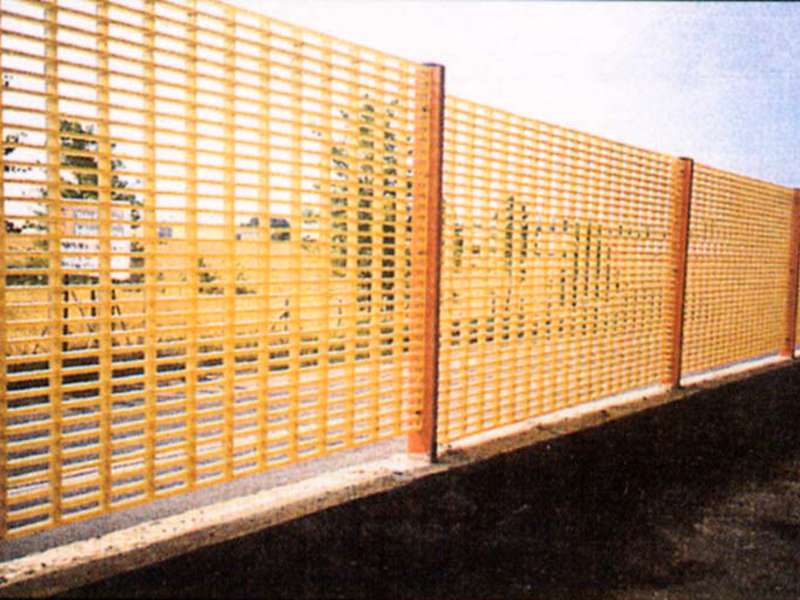
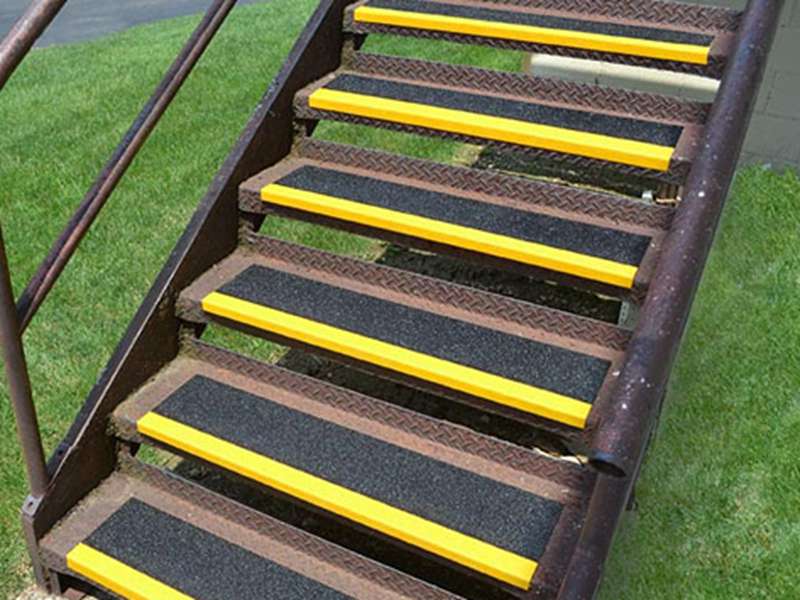
The versatility of fiberglass walkway grating makes it suitable for a wide array of applications. Common uses include walkways, platforms, stair treads, trench covers, and dock surfaces. Industries that benefit from fiberglass grating include chemical processing, wastewater treatment, pulp and paper, oil and gas, and marine environments. It's also used in power plants, manufacturing facilities, and water parks. Because of its durability and resistance to the elements, this grating is a long-term solution that provides a safe and reliable walking surface.
Common Applications:
• Walkways and Platforms
• Stair Treads
• Trench Covers
• Dock Surfaces
Fiberglass vs. Steel Walkway Grating: A Comparative Analysis
While steel grating has been a traditional choice, fiberglass grating often proves to be a superior option. Steel is susceptible to corrosion, requiring regular maintenance and potentially leading to costly replacements. Fiberglass, on the other hand, is inherently corrosion-resistant. Steel is also significantly heavier, increasing installation costs and requiring stronger support structures. Fiberglass's lighter weight simplifies installation and reduces overall project expenses. Here's a detailed comparison:
Selecting the Right Fiberglass Walkway Grating: Specifications to Consider
Choosing the appropriate fiberglass walkway grating involves considering several factors. Mesh size, resin type, and thickness are key specifications. Mesh size impacts slip resistance and drainage. Resin type affects chemical resistance and UV stability. Thickness determines load-bearing capacity. Always consult with a qualified supplier, like JRAIN FRP, to ensure the selected grating meets your specific requirements and safety standards.
Conclusion: Invest in Long-Term Safety and Savings with Fiberglass Grating
Fiberglass walkway grating is a smart investment for any facility seeking a durable, safe, and cost-effective flooring solution. Its superior corrosion resistance, lightweight construction, and low maintenance requirements make it an excellent alternative to traditional materials. Choosing JRAIN FRP guarantees you’ll receive high-quality products and expert guidance to meet your specific needs. Don’t compromise on safety and longevity – choose fiberglass grating.
Frequently Asked Questions (FAQs)
What is the load capacity of fiberglass walkway grating?
The load capacity of fiberglass walkway grating varies depending on the mesh size, thickness, and resin type. Generally, fiberglass grating can support substantial loads, often exceeding the capacity of traditional steel grating on a weight-for-weight basis. Specific load ratings are determined by testing and are usually provided by the manufacturer. JRAIN FRP provides detailed load capacity charts for all our grating products, ensuring you select the right grating for your application. It's essential to consider both static and dynamic loads when choosing a grating system.
Is fiberglass grating slippery when wet?
Fiberglass grating with a properly selected mesh size offers excellent slip resistance, even when wet. The open grid design allows water to drain quickly, reducing the risk of buildup and slippery surfaces. Certain mesh patterns are specifically designed to enhance traction. Choosing a grating with a grit-top surface can further improve slip resistance in particularly wet or oily environments. The type of resin used can also affect slip resistance, with some formulations offering better grip.
How easy is it to install fiberglass walkway grating?
Fiberglass walkway grating is significantly easier to install than steel grating due to its lightweight nature. This reduces the need for heavy lifting equipment and simplifies the installation process. The grating can be cut to size using standard tools, and it can be securely fastened using bolts, screws, or adhesives. Detailed installation instructions are typically provided by the manufacturer. JRAIN FRP offers installation support and guidance to ensure a smooth and successful project.
What is the fire resistance rating of fiberglass grating?
Fiberglass grating generally exhibits good fire resistance characteristics. It is non-combustible and will not contribute to the spread of flames. The fire resistance rating depends on the specific resin system used and the additives incorporated. Most fiberglass grating products meet or exceed relevant fire safety standards. You should always check the specific product data sheet to confirm the fire resistance rating and ensure it meets the requirements of your application.
Latest news
-
Industrial High Pressure Fiberglass Pipe Guide and Technical SpecsNewsApr.16,2026
-
Industrial Storage Guide for Fiberglass Chemical TanksNewsApr.09,2026
-
Explore Durable and Customizable Custom Fiberglass Tanks for Your IndustryNewsApr.07,2026
-
Comprehensive Guide to Fiberglass Roof Tanks for Liquid Storage SolutionsNewsApr.04,2026
-
Comprehensive Guide to Durable and Corrosion Resistant Glass Fiber TanksNewsMar.31,2026
-
Comprehensive Guide to Tank Fiberglass Solutions and Their Diverse ApplicationsNewsMar.28,2026