



Comprehensive Guide to Fiberglass Chemical Products and Their Industrial Applications
Fiberglass Chemical Product: A Comprehensive Guide
Fiberglass chemical products are crucial components in a wide range of industrial applications, offering superior resistance to corrosion, high strength-to-weight ratios, and design flexibility. At Jrain FRP, we specialize in manufacturing high-quality fiberglass reinforced plastic (FRP) products tailored to meet diverse chemical handling and storage needs. This article will explore the properties, applications, benefits, and considerations when choosing fiberglass chemical products, offering valuable insights for professionals across various industries. Choosing the right product is paramount for safety, efficiency, and longevity in demanding chemical environments.

Understanding Fiberglass Chemical Products
Fiberglass chemical products, also known as FRP products, are composite materials made by combining glass fibers with a polymer matrix, typically a thermosetting resin like polyester, vinyl ester, or epoxy. This combination creates a material with exceptional properties. The glass fibers provide strength and rigidity, while the resin binds the fibers together and provides chemical resistance. These products are engineered to withstand harsh chemicals, extreme temperatures, and demanding operating conditions. Jrain FRP focuses on delivering tailored solutions designed for optimal chemical compatibility and long-term performance.
Key Benefits: Superior corrosion resistance, high strength-to-weight ratio, design flexibility, and long service life.
Common Applications of Fiberglass Chemical Products
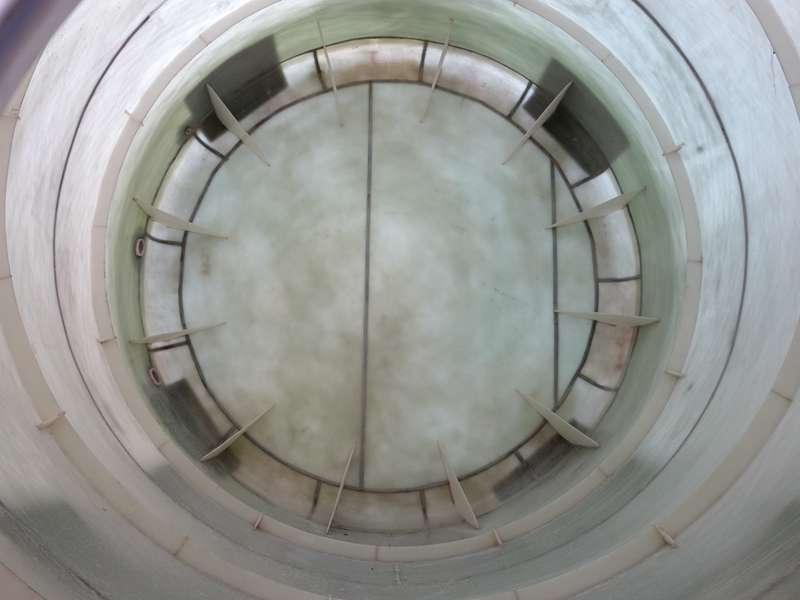
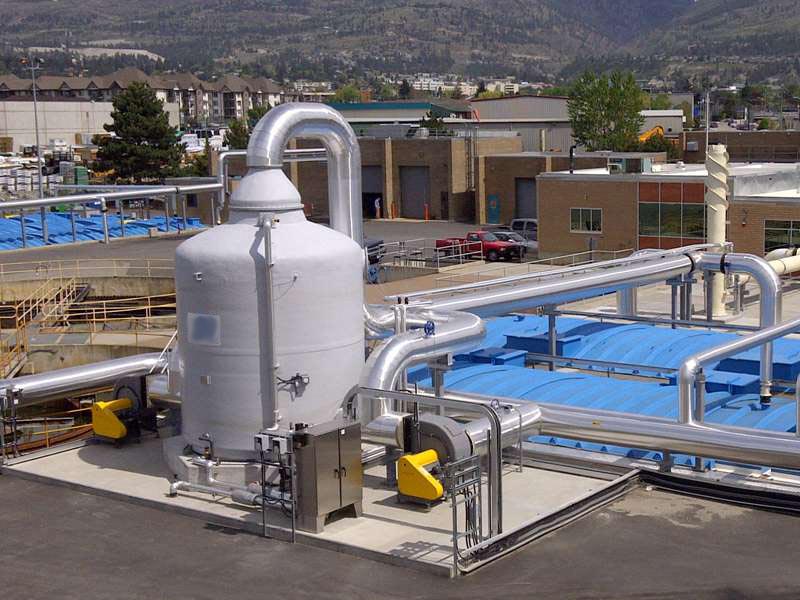
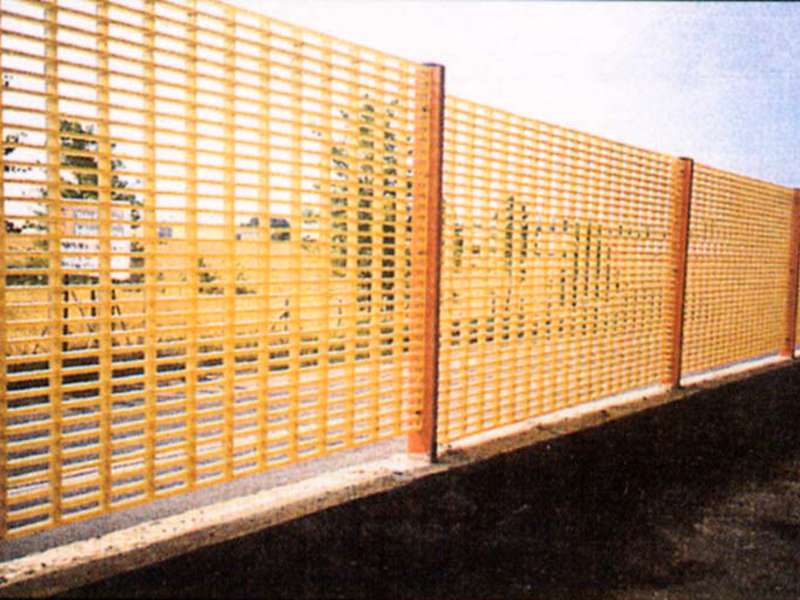
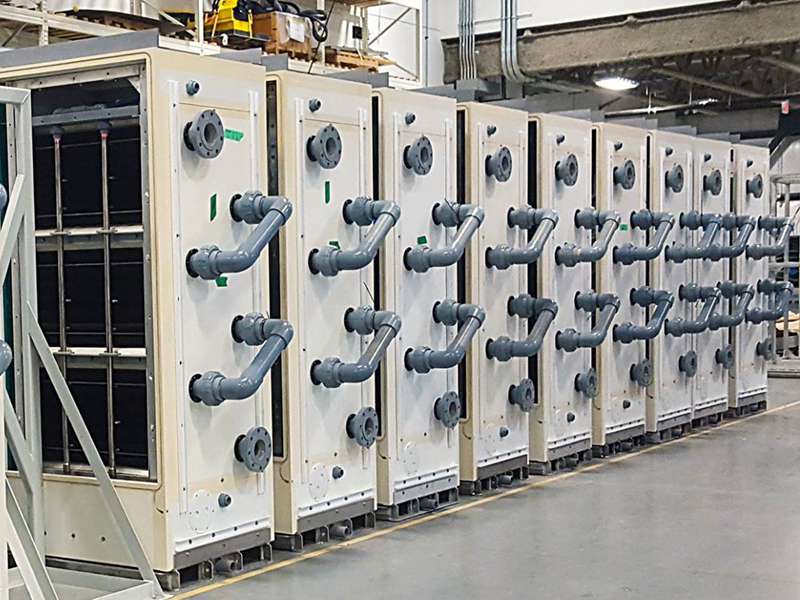
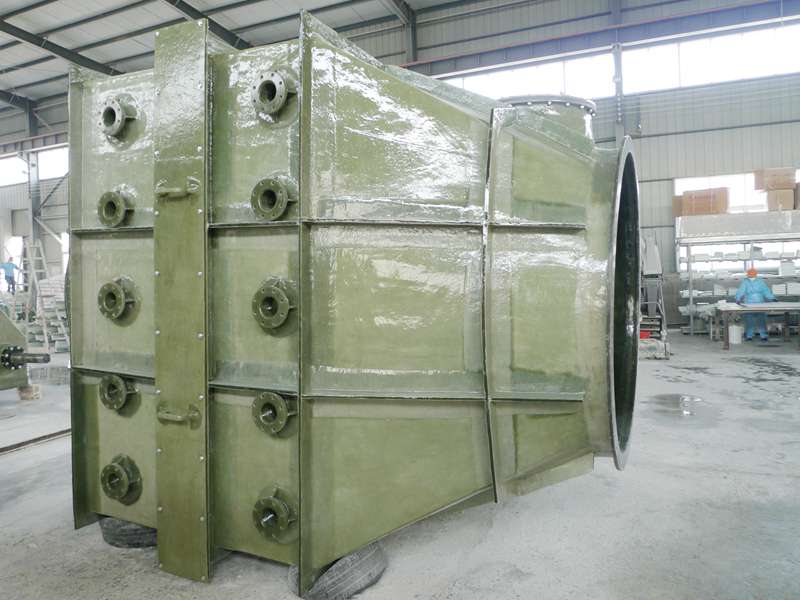
Fiberglass chemical products find applications across a diverse range of industries, including chemical processing, water and wastewater treatment, oil and gas, pulp and paper, and mining. Common applications include: chemical storage tanks, pipelines, ductwork, scrubbers, hoods, and gratings. The ability to mold FRP into complex shapes makes it an ideal material for custom-designed components. Jrain FRP provides solutions for all these application areas, focusing on high-quality manufacturing and expert engineering support.
Key Application Areas:
• Chemical Processing Plants
• Water & Wastewater Treatment Facilities
• Oil & Gas Refineries
• Pulp & Paper Mills
Fiberglass Chemical Product Selection: Resin Types & Compatibility
The choice of resin is crucial for ensuring compatibility with the specific chemicals being handled. Polyester resins are cost-effective for general chemical resistance, while vinyl ester resins offer improved resistance to acids, alkalis, and solvents. Epoxy resins provide the highest level of chemical resistance and are ideal for highly corrosive environments. Jrain FRP’s engineers can assist in selecting the appropriate resin based on the chemical environment and operating conditions. A thorough chemical compatibility analysis is essential before specifying any FRP component.
The Manufacturing Process and Quality Control at Jrain FRP
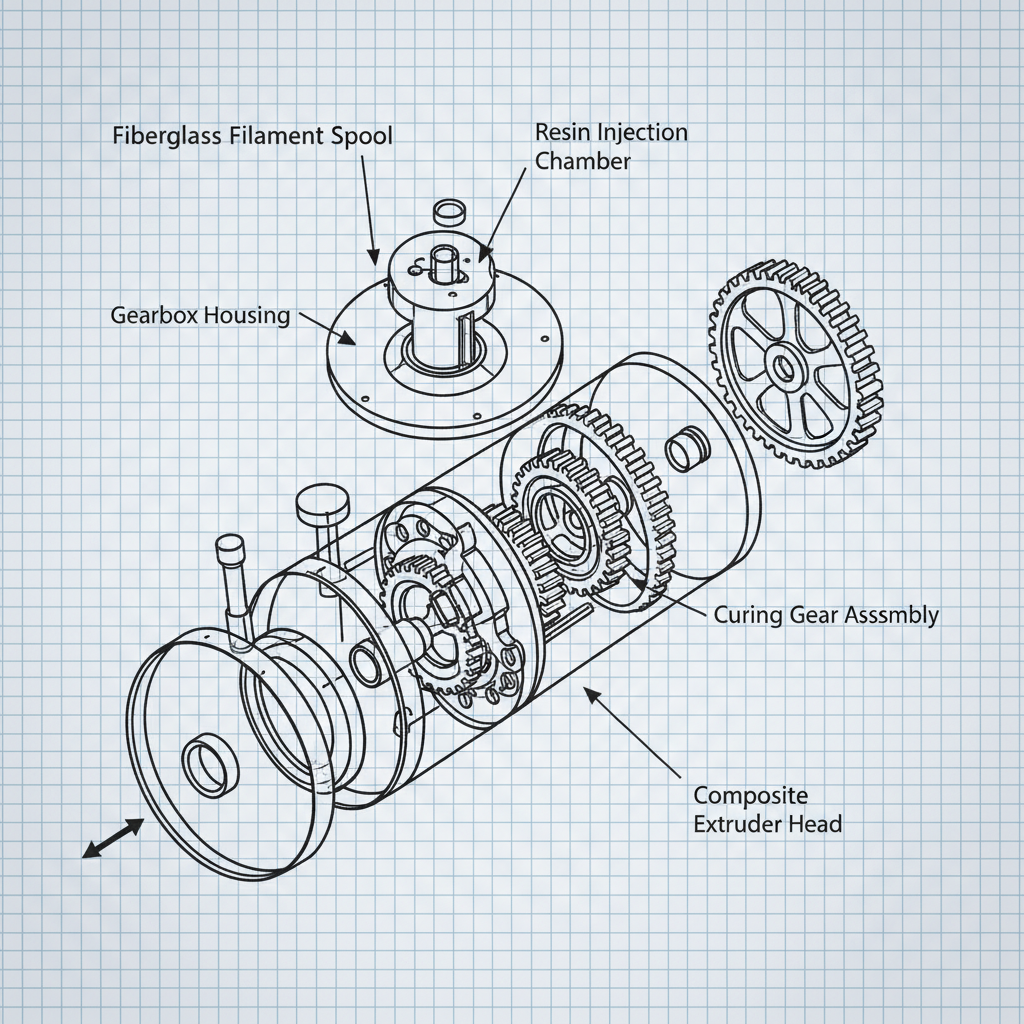
At Jrain FRP, we employ advanced manufacturing techniques, including hand lay-up, filament winding, and spray-up, to produce high-quality fiberglass chemical products. Our rigorous quality control processes, including resin content checks, glass fiber volume fraction analysis, and non-destructive testing, ensure that all products meet stringent industry standards. We are committed to delivering reliable, durable, and chemically resistant solutions to our clients. Our commitment to quality extends to our raw material selection and adherence to industry best practices.
Factors Influencing Fiberglass Chemical Product Lifespan
The lifespan of fiberglass chemical products depends on several factors, including the chemical concentration, temperature, UV exposure, and mechanical stress. Regular inspections and maintenance are crucial for maximizing service life. Protecting the FRP from prolonged UV exposure can significantly extend its longevity. Jrain FRP provides guidance on proper installation, operation, and maintenance to ensure optimal performance and longevity of our products.
Conclusion: Partnering with Jrain FRP for Reliable Chemical Solutions
Choosing the right fiberglass chemical products is a critical decision for ensuring safety, reliability, and cost-effectiveness. Jrain FRP is your trusted partner for high-quality FRP solutions, offering expert engineering support, customized designs, and a commitment to excellence. Contact us today to discuss your specific requirements and discover how we can help optimize your chemical handling and storage systems.
Frequently Asked Questions (FAQs)
What are the advantages of using fiberglass chemical products over traditional materials like steel?
Fiberglass chemical products offer significant advantages over steel in corrosive environments. Steel is susceptible to rust and corrosion, requiring regular maintenance and potentially leading to failure. Fiberglass is inherently corrosion-resistant, eliminating the need for costly coatings and repairs. Additionally, fiberglass is lighter than steel, making it easier to install and handle. Its higher strength-to-weight ratio allows for thinner wall thicknesses, reducing material costs and improving thermal efficiency. Finally, fiberglass doesn't conduct electricity, making it a safer option in certain applications.
How do I determine the appropriate resin type for my application?
Determining the appropriate resin type requires a thorough understanding of the chemicals being handled, their concentration, temperature, and potential exposure conditions. Polyester resins are suitable for general-purpose applications, while vinyl ester resins offer improved resistance to acids and alkalis. Epoxy resins provide the highest level of chemical resistance but are typically more expensive. Jrain FRP’s engineers can perform a chemical compatibility analysis to recommend the optimal resin for your specific needs.
What maintenance is required for fiberglass chemical products?
Fiberglass chemical products generally require minimal maintenance. Regular visual inspections for cracks, blisters, or other damage are recommended. Promptly repair any damage to prevent further deterioration. Avoid abrasive cleaning methods that can damage the resin surface. Protect the FRP from prolonged UV exposure, as this can degrade the resin over time. Jrain FRP provides detailed maintenance guidelines with all our products.
Can fiberglass chemical products be repaired if damaged?
Yes, fiberglass chemical products can generally be repaired. Minor cracks and surface damage can be repaired with appropriate patching compounds and resins. However, extensive damage may require professional repair or replacement. Jrain FRP offers repair services and can provide guidance on proper repair techniques.
Latest news
-
Industrial High Pressure Fiberglass Pipe Guide and Technical SpecsNewsApr.16,2026
-
Industrial Storage Guide for Fiberglass Chemical TanksNewsApr.09,2026
-
Explore Durable and Customizable Custom Fiberglass Tanks for Your IndustryNewsApr.07,2026
-
Comprehensive Guide to Fiberglass Roof Tanks for Liquid Storage SolutionsNewsApr.04,2026
-
Comprehensive Guide to Durable and Corrosion Resistant Glass Fiber TanksNewsMar.31,2026
-
Comprehensive Guide to Tank Fiberglass Solutions and Their Diverse ApplicationsNewsMar.28,2026