



Comprehensive Guide to Fiberglass Roof Tanks for Liquid Storage Solutions
Roof Tank Fiberglass: A Comprehensive Guide
Fiberglass roof tanks are becoming increasingly popular for a variety of applications, offering a robust and cost-effective solution for liquid storage. These tanks provide excellent corrosion resistance and require minimal maintenance. Choosing the right fiberglass roof tank is crucial for long-term performance and safety. This article explores the benefits, applications, and key considerations when selecting a roof tank fiberglass solution. We’ll cover everything from material properties to installation best practices to help you make an informed decision.
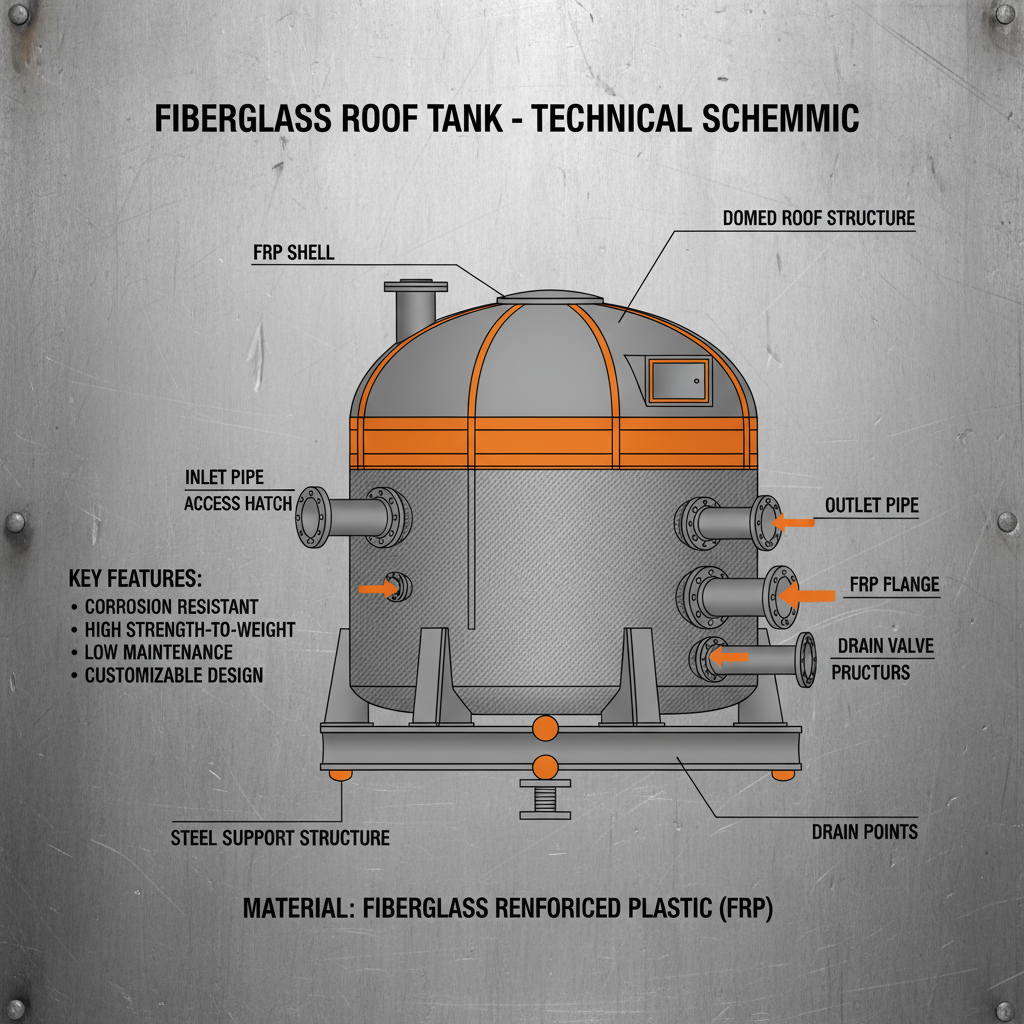
Understanding Fiberglass Roof Tank Construction
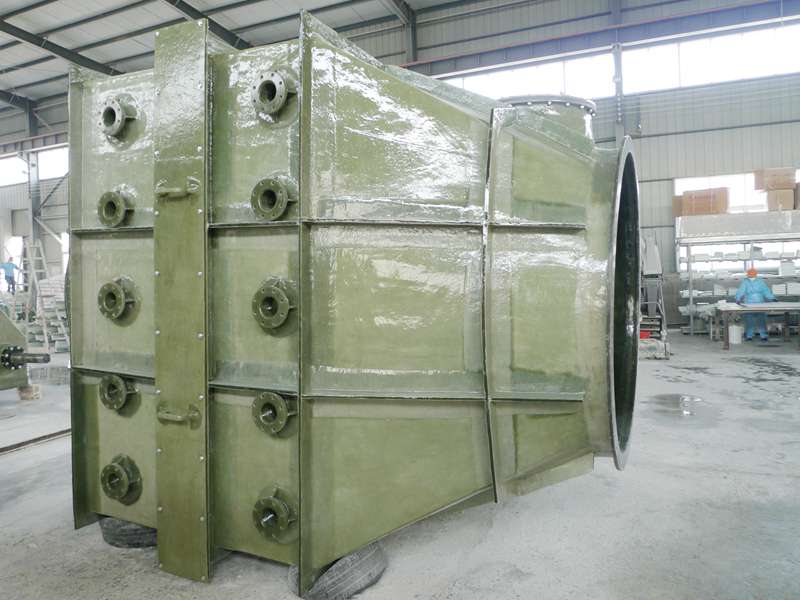
Fiberglass tanks, specifically those designed for roof mounting, are constructed using layers of reinforced fiberglass materials. The core material is typically a resin, often polyester, vinyl ester, or epoxy, combined with glass fiber reinforcement. This combination results in a strong, lightweight, and corrosion-resistant structure. The layers are meticulously applied and cured to create a seamless, watertight tank. Different resin types offer varying levels of chemical resistance, so selecting the appropriate resin is essential based on the intended stored liquid. Jrain-FRP specializes in custom fiberglass tank solutions to fit specific client needs.
Key Benefits: Lightweight, corrosion resistant, durable, low maintenance, cost-effective, customizable.
Applications of Roof Tank Fiberglass
Roof tank fiberglass solutions are utilized across a broad spectrum of industries. Common applications include the storage of potable water, rainwater harvesting, chemical storage (acids, bases, solvents – ensure compatibility with resin type), agricultural liquids (fertilizers, pesticides), and industrial wastewater. Their lightweight nature makes them ideal for rooftop installations, minimizing structural load on buildings. Furthermore, their non-corrosive properties ensure long-term liquid purity and prevent contamination. They're frequently chosen for remote locations where access for maintenance is limited.
Common Applications:
• Potable Water Storage
• Rainwater Harvesting
• Chemical Storage
• Agricultural Liquids
Fiberglass vs. Other Tank Materials: A Comparison
When considering a roof tank, it’s essential to compare fiberglass to other materials like steel, concrete, and plastic (polyethylene). Steel tanks are prone to corrosion, requiring regular painting and maintenance. Concrete tanks are heavy and can crack over time. Polyethylene tanks are generally less durable and have limited chemical resistance. Fiberglass offers a compelling combination of strength, durability, corrosion resistance, and relatively low weight, making it a superior choice in many applications. Jrain-FRP provides solutions that outperform traditional materials.
Key Considerations When Selecting a Roof Tank Fiberglass
Several factors influence the optimal choice of a roof tank fiberglass. First, determine the required storage capacity. Second, carefully consider the chemical compatibility between the stored liquid and the tank’s resin. Third, assess the structural load capacity of the roof to ensure it can safely support the filled tank. Finally, factor in local climate conditions, including temperature fluctuations and UV exposure. Proper installation is also critical – ensure it’s performed by qualified professionals to maintain structural integrity and prevent leaks.
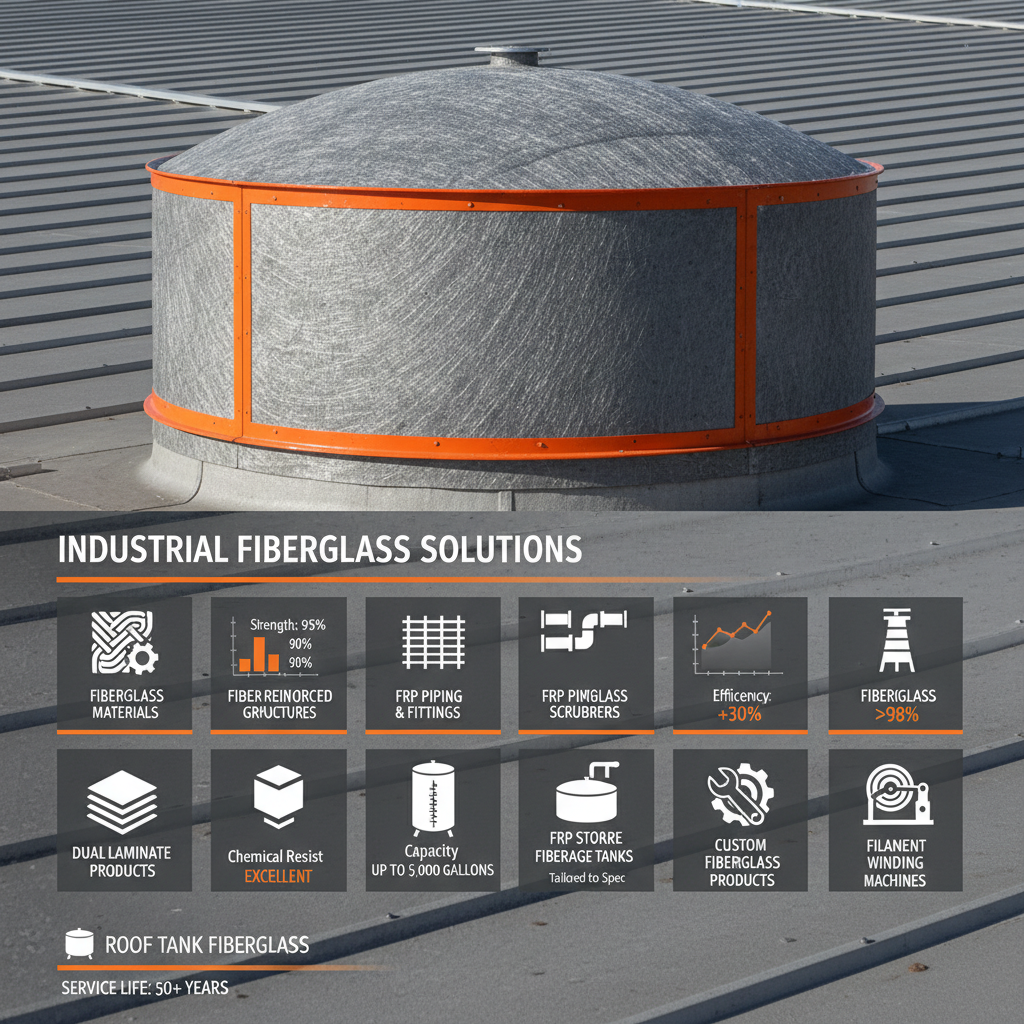
Product Specifications and Customization Options
Jrain-FRP offers a wide range of fiberglass roof tanks with varying capacities, dimensions, and configurations. We provide custom solutions tailored to specific project requirements. Here’s a sample specification sheet:
Conclusion: Choosing the Right Fiberglass Roof Tank
Investing in a high-quality roof tank fiberglass is a smart long-term decision. It provides a durable, reliable, and cost-effective solution for liquid storage needs. By carefully considering your application, chemical compatibility, and structural requirements, you can select the optimal tank for your project. Jrain-FRP is your trusted partner for all your fiberglass tank needs.
Frequently Asked Questions (FAQs)
What is the typical lifespan of a fiberglass roof tank?
With proper installation and maintenance, a fiberglass roof tank can easily last 20-30 years or more. Regular inspections for cracks, leaks, and UV damage are crucial. Avoid exposing the tank to harsh chemicals or abrasive materials. Choosing a tank with a high-quality UV-resistant gel coat will significantly extend its lifespan. At Jrain-FRP, we use premium materials and construction techniques to ensure longevity.
Can fiberglass tanks withstand extreme temperatures?
Fiberglass tanks generally perform well in a wide range of temperatures. However, extreme temperature fluctuations can cause expansion and contraction, potentially leading to stress. The resin type plays a role – some resins are more resistant to temperature extremes than others. Proper insulation can also help mitigate temperature effects. Jrain-FRP can recommend the appropriate resin and insulation solutions for your specific climate.
Are fiberglass tanks difficult to repair?
Minor cracks or leaks in fiberglass tanks can often be repaired with fiberglass repair kits. However, significant damage may require professional repair. It’s essential to address repairs promptly to prevent further deterioration. Jrain-FRP offers repair services and can provide guidance on proper repair techniques.
What is the maintenance required for a fiberglass roof tank?
Regular maintenance includes visual inspections for cracks, leaks, and UV damage. Keep the tank clean and free from debris. Periodically check and tighten all fittings. For tanks storing potable water, follow recommended cleaning and disinfection procedures. Proper maintenance will ensure a long service life and prevent costly repairs.



Latest news
-
Industrial High Pressure Fiberglass Pipe Guide and Technical SpecsNewsApr.16,2026
-
Industrial Storage Guide for Fiberglass Chemical TanksNewsApr.09,2026
-
Explore Durable and Customizable Custom Fiberglass Tanks for Your IndustryNewsApr.07,2026
-
Comprehensive Guide to Fiberglass Roof Tanks for Liquid Storage SolutionsNewsApr.04,2026
-
Comprehensive Guide to Durable and Corrosion Resistant Glass Fiber TanksNewsMar.31,2026
-
Comprehensive Guide to Tank Fiberglass Solutions and Their Diverse ApplicationsNewsMar.28,2026