



Comprehensive Guide to FRP Demister: Technology, Applications & Benefits
Understanding FRP Demister: A Critical Component in Modern Industry
Fiberglass Reinforced Plastic (FRP) demisters may not be a household term, but they play a surprisingly vital role in many industrial and environmental processes worldwide. Simply put, an frp demister is a device designed to remove liquid droplets from gas streams, improving efficiency and protecting equipment downstream. Its importance is growing as industries prioritize sustainability, pollution control, and process optimization globally. Appreciating how FRP demisters work and why they matter gives insight into cleaner, safer industrial operations.
Introduction: The Global Context of FRP Demister Technology
Globally, industries face increasing pressure to reduce emissions and improve operational efficiency. According to the United Nations Environment Programme (UNEP), air pollution from industrial sources accounts for nearly 30% of premature deaths linked to air quality worldwide. FRP demisters are one of the ingenious solutions industrial operators use to reduce harmful emissions and conserve resources.
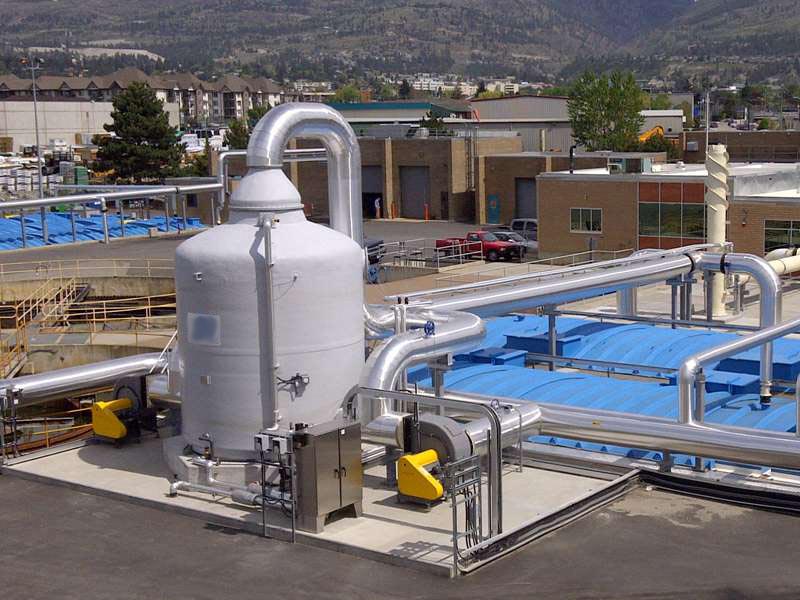
FRP demisters effectively separate droplets in chemical plants, oil refineries, power stations, or any process involving vapor and liquid mixtures — which is, frankly, most of heavy industry. These devices help avoid corrosion, material loss, and costly downtime. In real terms, this means a lot more uptime and less environmental impact, which both countries and corporations care deeply about as global standards like those from ISO tighten.
To summarize: FRP demisters address a widespread yet often invisible challenge — clean, efficient separation in industrial processes, critical for sustainability goals.
What is an FRP Demister?
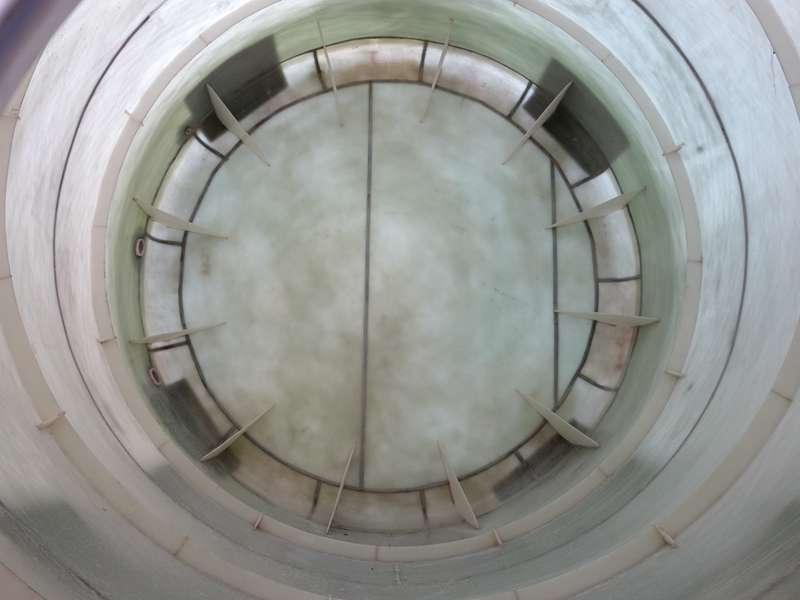
At its core, an FRP demister is a type of mist eliminator made from fiberglass reinforced plastic—a lightweight, corrosion-resistant composite material. Its job? Capture liquid droplets entrained in gas streams to prevent contamination or equipment damage downstream.
This might sound somewhat niche, but it has broad modern applications. For example, industries handling corrosive gases—think chemical manufacturers or wastewater treatment plants—find FRP demisters indispensable. FRP’s corrosion resistance makes these demisters longer lasting than metal equivalents, particularly in harsh environments.
Key Components and Features of FRP Demisters
1. Durability and Corrosion Resistance
FRP demisters boast robustness where metals struggle. Fiberglass reinforcement grants them excellent resistance to aggressive chemicals and moisture, extending their lifespan significantly in tough industrial environments.
2. Efficiency in Liquid Removal
Using structured mesh pads or knitted wire materials, these demisters efficiently capture droplets as small as 5 microns. This efficiency translates to cleaner gas outputs and higher-quality end products.
3. Lightweight and Easy Installation
Unlike heavy steel units, FRP demisters are relatively lightweight, simplifying transport and installation. This advantage often reduces labor costs and downtime during maintenance.
4. Scalability
FRP demisters come in various sizes—from small skid-mounted units to large industrial vessels—making them suitable for diverse scales of operation.
5. Cost Efficiency
While initial costs can be competitive, the longevity and reduced maintenance needs often yield lower total cost of ownership.
Mini takeaway: The blend of durability, efficiency, and cost-effectiveness makes FRP demisters a go-to choice across sectors.
Typical Global Applications of FRP Demisters
Industries worldwide use FRP demisters to enhance process performance and environmental compliance. Here are some notable examples:
- Chemical Manufacturing: Removing corrosive mist in reactors or scrubbers prevents equipment damage and ensures product purity.
- Oil & Gas Processing: Protects compressors and turbines by eliminating liquid contamination that can cause mechanical failure.
- Wastewater Treatment: Reduces droplets carrying odors or chemical vapors, improving air quality around facilities.
- Power Generation: Steam turbines and boiler plants use FRP demisters to reduce water carryover, increasing efficiency and reliability.
Regions with heavy petrochemical or manufacturing sectors, such as the Gulf Cooperation Council countries, China, and the U.S. Gulf Coast, rely heavily on these devices. In emergency post-disaster industrial recovery, quick deployment of FRP demisters can restore critical processes more rapidly and safely.
FRP Demister Product Specifications
| Specification | Typical Values | Notes |
|---|---|---|
| Material | Fiberglass Reinforced Plastic (FRP) | Strong corrosion resistance |
| Droplet Removal Efficiency | ≥ 99% for droplets ≥ 5 microns | Depends on mesh configuration |
| Temperature Range | -40°C to 120°C | Varies by resin type |
| Pressure Range | Up to 3 bar | Standard industrial applications |
| Size Range | Custom, from 0.5m to 5m diameter | Fits diverse plant sizes |
Comparing Leading FRP Demister Manufacturers
| Feature | Company A | Company B | Company C |
|---|---|---|---|
| Customization Options | High | Medium | Low |
| Lead Time | 4-6 weeks | 6-8 weeks | 8+ weeks |
| Global Presence | Yes (Asia, Europe, Americas) | Primarily Asia | Regional (Middle East) |
| Warranty Period | 3 years | 2 years | 1 year |
| Price Range | $$$ (Premium) | $$ | $ (Budget) |
The Advantages and Long-Term Value of Using FRP Demisters
Adopting FRP demisters offers practical, financial, and even ethical advantages. The cost savings in maintenance and downtime are tangible. But there's a human angle here too — industries reduce emissions, protecting the health of surrounding communities.
The combination of durability and reliability nurtures trust between operators and regulators or communities. Many engineers say it feels reassuring when equipment lasts years without corrosion problems—or unexpected failures. It’s the kind of innovation that quietly advances safer, more sustainable industrial ecosystems.
Emerging Trends and Innovations
Looking ahead, the FRP demister market is evolving. For instance, increased use of bio-based resins could make FRP even greener. Digital sensors now integrate with demisters to provide real-time performance data, enabling smarter maintenance. Automation is also creeping in, with modular demister units designed for rapid deployment in temporary sites or disaster zones.
And oddly enough, the pressure to reduce carbon footprints has spurred cross-sector collaborations—some firms combine FRP demisters with carbon capture systems. It’s an exciting convergence of green tech and traditional industry.
Challenges and Solutions
Despite many benefits, FRP demisters aren’t without drawbacks. Their pressure rating is lower than steel alternatives, limiting applications in high-pressure systems. Installation in confined spaces can be tricky due to size and handling needs.
However, manufacturers are responding—new hybrid composites offer higher strength, and tailored designs improve installation flexibility. Expert advice stresses proper system design to maximize demister lifespan and function.
FAQ: Common Questions about FRP Demisters
- What industries benefit most from FRP demisters?
Primarily chemical processing, oil & gas, power generation, and wastewater treatment due to their corrosive and emission challenges. - How often should FRP demisters be maintained?
Generally, annual inspections suffice, but frequency depends on the process contaminants and operating conditions. - Can FRP demisters withstand extreme temperatures?
They typically operate up to 120°C; for higher temperatures, specialty materials or steel alternatives may be needed. - Are FRP demisters customizable?
Yes, sizes, mesh densities, and resin types can be tailored to specific applications. - How does FRP compare to metal demisters?
FRP offers better corrosion resistance and lighter weight but may have lower pressure handling.
Conclusion: Why FRP Demisters Matter for the Future of Industry
In summary, FRP demisters blend innovation with practicality—helping industries meet operational and environmental goals hand-in-hand. Their durability, efficiency, and adaptability make them a cornerstone for cleaner industrial processes globally. The technology feels mature yet ever-evolving, mirroring the complex needs of modern manufacture and sustainability.
If you’re curious about upgrading your process equipment or want tailored advice, don’t hesitate to explore trusted providers like this frp demister supplier. It’s a small leap that can lead to big gains in efficiency and environmental stewardship.
Reflection: Having seen FRP demisters firsthand in remote chemical plants, it’s clear how their quiet work underpins larger sustainability efforts—sort of the unsung heroes of industrial innovation.
References
Latest news
-
Industrial High Pressure Fiberglass Pipe Guide and Technical SpecsNewsApr.16,2026
-
Industrial Storage Guide for Fiberglass Chemical TanksNewsApr.09,2026
-
Explore Durable and Customizable Custom Fiberglass Tanks for Your IndustryNewsApr.07,2026
-
Comprehensive Guide to Fiberglass Roof Tanks for Liquid Storage SolutionsNewsApr.04,2026
-
Comprehensive Guide to Durable and Corrosion Resistant Glass Fiber TanksNewsMar.31,2026
-
Comprehensive Guide to Tank Fiberglass Solutions and Their Diverse ApplicationsNewsMar.28,2026