

Understanding FRP Vessel: Durable, Lightweight, and Cost-Effective Industrial Storage Solutions
Understanding FRP Vessel: A Vital Component in Modern Industry
If you've ever dealt with storage, processing, or transport in sectors like chemical manufacturing, water treatment, or even agriculture, you'll have likely encountered a FRP vessel. These fiberglass-reinforced plastic containers are quietly transforming industries around the globe thanks to their strength, corrosion resistance, and cost-effectiveness. But why are they such a gamechanger on a global scale, and what makes them stand out in increasingly technical environments? Let’s unpack this.
Global Context: Why FRP Vessels Matter Worldwide
According to recent ISO reports and data compiled by the United Nations Industrial Development Organization (UNIDO), industries worldwide face continuous pressure to adopt materials that balance durability with sustainability. For instance, chemical storage facilities alone accounted for billions of liters requiring corrosion-resistant vessels in 2022.1 Conventional steel tanks often fall short when it comes to longevity and maintenance in harsh chemical environments. This is where frp vessel options step up — mitigating the risks associated with corrosion and offering a lighter, yet strong, alternative.
The global push towards greener manufacturing and cleaner water treatment processes also amplifies the relevance of these vessels, particularly in developing regions where infrastructure must be both affordable and long-lasting.
Defining the FRP Vessel: What Exactly Is It?
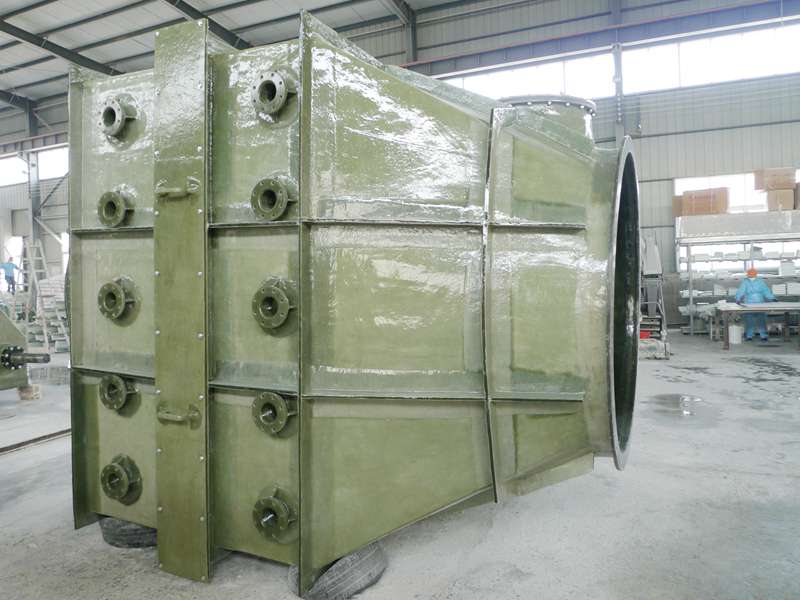
Simply put, an FRP vessel — fiberglass-reinforced plastic vessel — is a container made by combining plastic resin with fine glass fibers. The result is a composite material that boasts remarkable resistance to chemical corrosion, stress, and temperature variations. These vessels come in a range of shapes and sizes, customized for storing liquids, gases, or even solid particulates.
In modern industry, they serve vital roles in sectors like water treatment plants, chemical processing, and agriculture, offering a reliable alternative to metal tanks. Beyond heavy industry, they’re also utilized in humanitarian aid and remote infrastructure, where tough but lightweight solutions are essential.
Core Components & Key Features of FRP Vessels
Durability and Corrosion Resistance
The biggest selling point is absolutely their resistance to corrosion. Steel tanks degrade when exposed to acidic or alkaline substances, but FRP vessels can withstand these conditions for years without significant wear. In real terms, this translates to lower maintenance costs and fewer replacements — a big deal for industrial operators.
Lightweight Nature
Oddly enough, despite their robustness, FRP vessels are much lighter than steel or concrete counterparts. This quality is a boon for transport and installation in remote sites or disaster zones where heavy equipment is scarce.
Cost Efficiency
When you factor in installation speed, longevity, and maintenance, FRP vessels often become the most economical choice. While the upfront price can be comparable or sometimes slightly higher than steel, the total cost of ownership typically favors FRP.
Design Flexibility
Since the manufacturing involves molding and layering, FRP vessels can be tailored into various complex shapes and sizes for specific applications, making them incredibly versatile.
Thermal Insulation Properties
They offer natural insulation, which is important when contents need protection from temperature swings — think chemicals sensitive to heat or water storage in extreme climates.
Mini Takeaway:
FRP vessels combine durability, flexibility, and cost-effectiveness, making them ideal for modern industrial challenges worldwide.
Global Applications & Use Cases
- Water Treatment: Municipalities worldwide rely on FRP vessels for holding and processing potable water or wastewater, especially in areas prone to water contamination.
- Chemical Storage: Manufacturing plants in Europe and Asia use them to store aggressive chemicals safely.
- Food Industry: Some food processors use FRP tanks to store syrups or acids without risk of contamination.
- Disaster Relief: NGOs deploy lightweight and robust FRP vessels in remote or disaster-affected zones for safe water storage.
For example, after the 2019 floods in Southeast Asia, relief organizations turned to FRP vessels because they could be shipped easily and deployed quickly, avoiding rusting or leaks common in steel containers.2
Advantages & Long-Term Value of FRP Vessels
Beyond their technical merits, FRP vessels deliver long-term value in practical and even emotional terms. Operators gain peace of mind with their dependable performance under harsh conditions, promoting safety and asset protection. Sustainability-wise, their longevity means fewer disposals and replacements, supporting circular economy goals.
From an emotional perspective, knowing your infrastructure won’t fail unexpectedly underpins trust in industrial processes, which frankly, is priceless in sensitive industries like pharmaceuticals or potable water.
Product Specification Table of a Typical FRP Vessel
| Specification | Details |
|---|---|
| Material | Fiberglass Reinforced Polyester (FRP) |
| Typical Capacity | 500 to 10,000 liters (custom sizes available) |
| Temperature Range | -40°C to 120°C |
| Corrosion Resistance | Excellent vs acids, alkalis, salts |
| Lifespan | 20+ years with proper maintenance |
| Weight | Approximately 1/5 of steel equivalent |
Future Trends & Innovations in FRP Vessel Technology
The future of frp vessels looks promising, driven largely by sustainability challenges and technological advances. Innovations include bio-based resins reducing reliance on petrochemicals and integrating sensors directly into the vessel walls for real-time monitoring of pressure, temperature, and potential leaks.
Add to that developments in automated manufacturing, which are lowering costs and improving quality consistency. And as the global supply chain tightens focus on environmental compliance, FRP vessels are being designed with recyclability in mind — not just durability.
Challenges & Solutions
No solution is perfect, and FRP vessels face their own hurdles. For example, susceptibility to UV degradation if exposed to sunlight without protective coatings, or potential failures under extreme mechanical impact. Additionally, some industrial clients worry about the variability in quality among manufacturers.
However, these issues are addressed through advances like specialized UV-resistant gel coats, rigorous ISO 14692 certification protocols, and improved quality assurance processes. Also, ongoing education around installation best practices helps end-users maximize vessel longevity.
Vendor Comparison Table for FRP Vessels
| Vendor | Product Range | Customization | Certifications | Typical Lead Time |
|---|---|---|---|---|
| GlobalFRP Solutions | 500L - 15,000L | High, bespoke designs | ISO 14692, ASTM | 6-8 weeks |
| FiberCraft Tanks | 1000L - 10,000L | Moderate, standard shapes | ISO 9001, UL Listed | 4-6 weeks |
| Jrain-FRP | 500L - 20,000L | High, fully custom | ISO 14692, CE marking | 5-7 weeks |
FAQ: Frequently Asked Questions About FRP Vessels
- How long can an FRP vessel last in harsh chemical environments?
- With proper maintenance and correct specification, FRP vessels typically last over 20 years in corrosive environments—much longer than their steel equivalents.
- Are FRP vessels suitable for outdoor installation?
- Yes, but they require UV-resistant coatings or positioning to avoid direct sunlight exposure, which helps prevent surface degradation over time.
- Can FRP vessels be customized for unusual shapes or sizes?
- Absolutely. The manufacturing process allows extensive design flexibility, enabling vessels to fit unique spatial and operational requirements.
- Is it easy to import FRP vessels internationally?
- Many vendors, including Jrain-FRP, specialize in global logistics and ensure compliance with exporting/importing regulations, making it straightforward to acquire vessels worldwide.
Conclusion
As industries progress and sustainability becomes non-negotiable, frp vessels offer a resilient, cost-effective solution for chemical, water, and industrial storage needs. Their blend of durability, lightweight design, and adaptability ensures they will remain integral to infrastructure worldwide.
If you're exploring industrial storage solutions or want to learn more, feel free to visit frp vessel specialists who can tailor vessels to your precise needs.
Mini takeaway: Embracing FRP vessels means investing in safer, more sustainable industrial infrastructure for the long haul.
References
Latest news
-
Industrial High Pressure Fiberglass Pipe Guide and Technical SpecsNewsApr.16,2026
-
Industrial Storage Guide for Fiberglass Chemical TanksNewsApr.09,2026
-
Explore Durable and Customizable Custom Fiberglass Tanks for Your IndustryNewsApr.07,2026
-
Comprehensive Guide to Fiberglass Roof Tanks for Liquid Storage SolutionsNewsApr.04,2026
-
Comprehensive Guide to Durable and Corrosion Resistant Glass Fiber TanksNewsMar.31,2026
-
Comprehensive Guide to Tank Fiberglass Solutions and Their Diverse ApplicationsNewsMar.28,2026