



Comprehensive Guide to Fiberglass Fuel Tanks for Durable Fuel Storage
Fiberglass Fuel Tanks: A Comprehensive Guide
Fiberglass fuel tanks are rapidly becoming the preferred choice for fuel storage across various industries due to their durability, safety, and cost-effectiveness. From agricultural operations to commercial fueling stations, understanding the benefits of fiberglass fuel tanks is crucial for making informed decisions. This article delves into the advantages, applications, specifications, and considerations when choosing a fiberglass fuel tank, providing a thorough overview for businesses and individuals alike. We'll explore why these tanks are often superior to traditional steel alternatives.
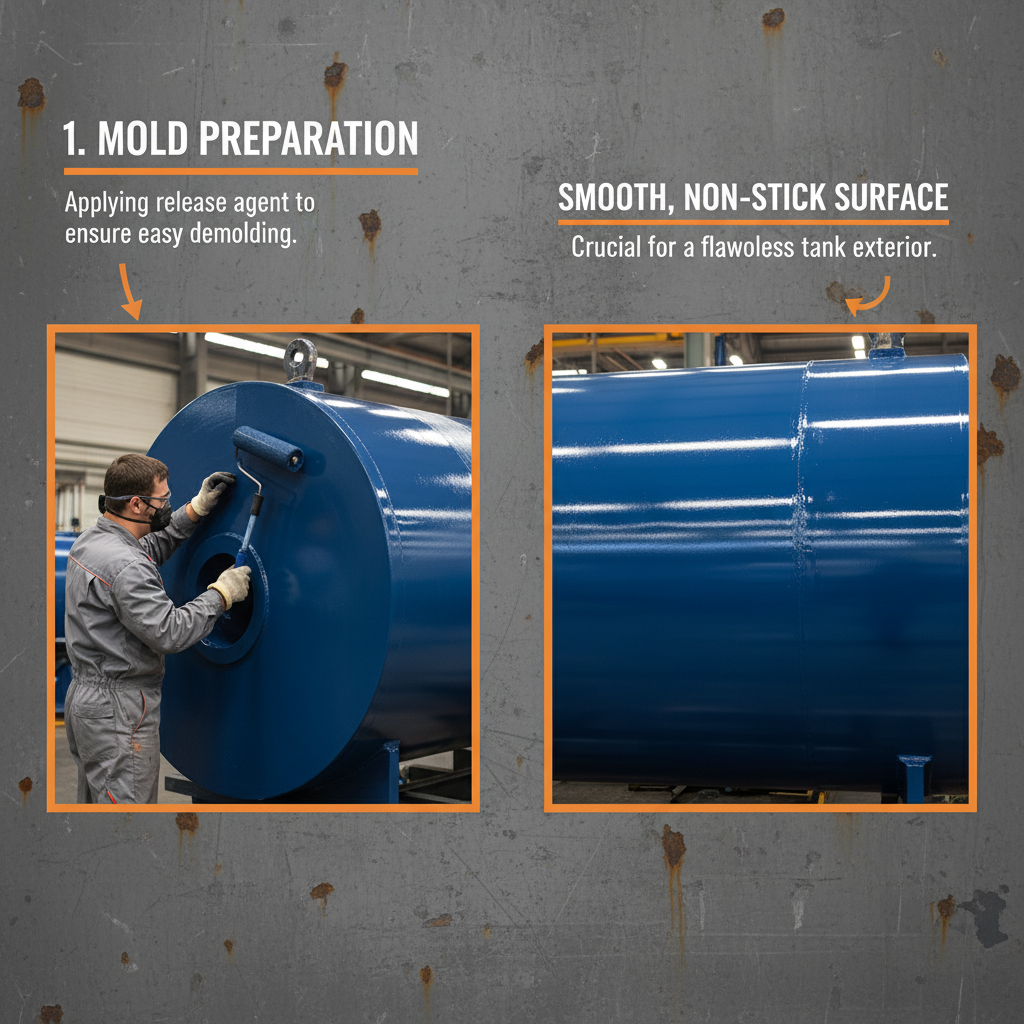
Understanding Fiberglass Fuel Tanks
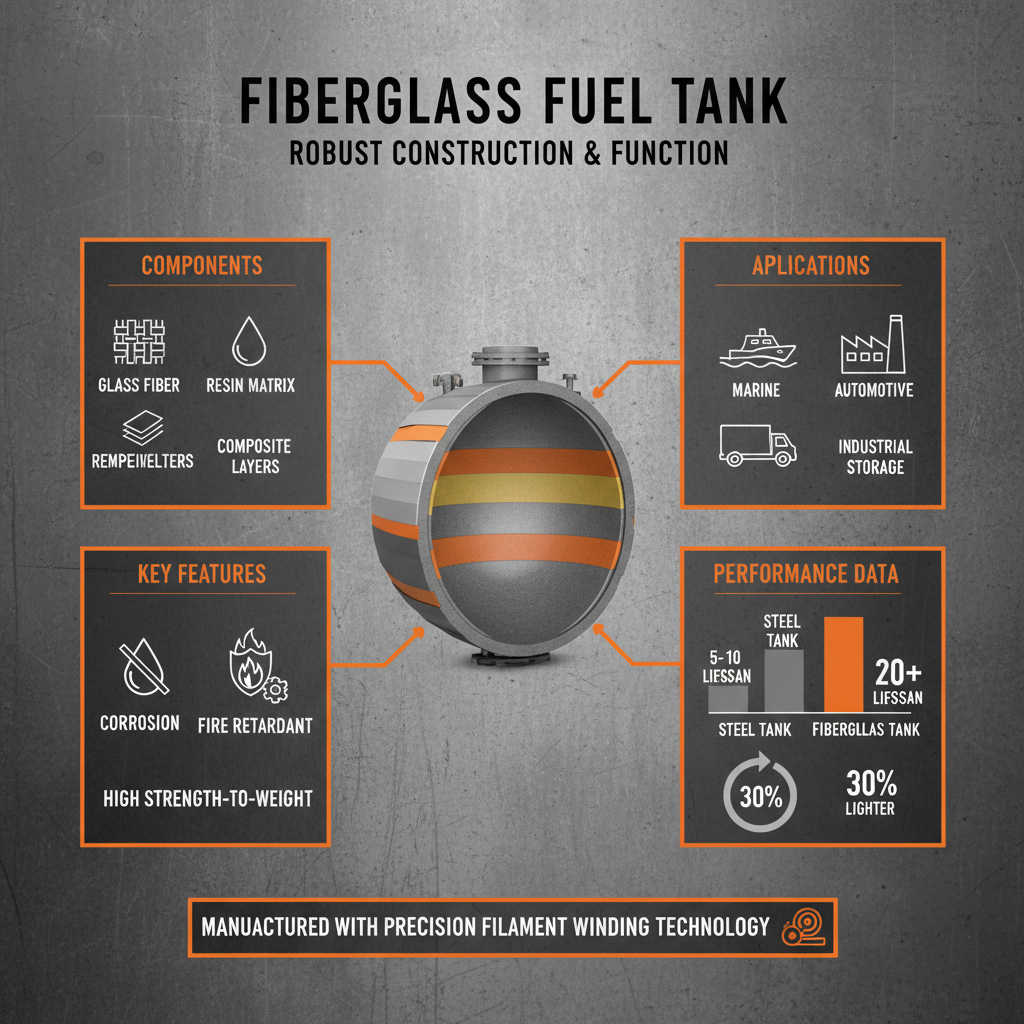
Fiberglass fuel tanks are constructed from a composite material consisting of fiberglass reinforced plastic. This construction provides exceptional strength and resistance to corrosion, making them ideal for storing gasoline, diesel, biofuels, and other fuels. Unlike steel tanks, fiberglass doesn't rust or corrode, eliminating the risk of fuel contamination and costly repairs. They are also lighter in weight than steel tanks, simplifying installation and transportation. Furthermore, fiberglass tanks are manufactured with double-wall construction and leak detection systems, enhancing safety and environmental protection. Investing in a high-quality fiberglass fuel tank is a long-term investment in security and peace of mind.
Key Highlights: Constructed from fiberglass reinforced plastic for exceptional strength and corrosion resistance. Lighter weight compared to steel, simplifying installation and transport.
Key Benefits of Choosing Fiberglass Fuel Tanks
The advantages of fiberglass fuel tanks are numerous. First, they are incredibly durable and have a long lifespan, often exceeding 30 years with proper maintenance. Second, they are virtually maintenance-free, eliminating the need for frequent painting or coating to prevent corrosion. Third, their lighter weight reduces transportation and installation costs. Fourth, they are non-conductive, reducing the risk of sparks and fires. Finally, they are environmentally friendly, preventing leaks and soil contamination. JRAIN-FRP specializes in providing durable and reliable fiberglass fuel tank solutions.
Fiberglass Fuel Tank Advantages:
• Exceptional durability and long lifespan
• Virtually maintenance-free
• Lighter weight for easier installation
• Non-conductive and safe
• Environmentally friendly
Fiberglass vs. Steel Fuel Tanks: A Detailed Comparison
Choosing between fiberglass and steel fuel tanks requires careful consideration. While steel tanks were traditionally the standard, fiberglass offers significant advantages in terms of longevity and maintenance. Steel tanks are susceptible to corrosion, requiring regular painting and inspection. Fiberglass tanks are immune to rust and corrosion, reducing long-term costs and environmental risks. Although steel tanks may have a lower initial cost, the ongoing maintenance and potential for leaks make fiberglass a more cost-effective choice over the tank's lifespan. The fiberglass fuel tanks from JRAIN-FRP are designed for superior performance and safety.
Applications of Fiberglass Fuel Tanks
Fiberglass fuel tanks serve a diverse range of applications across numerous industries. These include fueling stations, agricultural operations (for storing diesel and gasoline for farm equipment), emergency power generation facilities, commercial and industrial businesses, and even residential use for off-grid power systems. Their versatility and reliability make them a preferred choice for both above-ground and underground installations. From small-capacity tanks for individual use to large-capacity tanks for commercial operations, JRAIN-FRP offers a comprehensive selection to meet diverse needs.
Fiberglass Fuel Tank Specifications & Sizes
Fiberglass fuel tanks are available in a wide range of sizes and configurations to suit specific requirements. Typical capacities range from 100 gallons to 30,000 gallons or more. They can be manufactured in various shapes, including horizontal cylindrical, vertical cylindrical, and rectangular. Double-wall construction is standard, providing an extra layer of protection against leaks. Leak detection systems are also commonly integrated, offering real-time monitoring and alerts. Here's a glimpse of common specifications:
Conclusion: Choose Fiberglass for Safe & Reliable Fuel Storage
Investing in fiberglass fuel tanks from a trusted provider like JRAIN-FRP offers long-term benefits in terms of safety, reliability, and cost-effectiveness. Their durability, corrosion resistance, and leak prevention features make them a superior alternative to steel tanks. By choosing fiberglass, you are protecting your investment, the environment, and the safety of your operations.
Frequently Asked Questions (FAQs)
What fuels are compatible with fiberglass tanks?
Fiberglass tanks are compatible with a wide range of fuels, including gasoline, diesel, biodiesel, kerosene, and aviation fuels. However, it's crucial to verify the specific compatibility with the tank manufacturer, particularly for fuels with high ethanol content, as some materials may be affected. JRAIN-FRP ensures that all our tanks are tested and certified for compatibility with common fuel types. Always consult the tank’s specifications sheet before introducing a new fuel type.
How often should fiberglass fuel tanks be inspected?
Regular inspections are essential to ensure the ongoing integrity of fiberglass fuel tanks. Annual inspections by a qualified technician are recommended. These inspections should include a visual assessment for cracks, leaks, or damage to the tank and associated equipment, as well as a functional check of the leak detection system. More frequent inspections may be required based on environmental factors or specific regulations.
Are fiberglass fuel tanks suitable for underground installations?
Yes, fiberglass tanks are commonly used for underground installations. However, they must be designed and installed according to local regulations and industry standards. Double-wall construction and leak detection systems are essential for underground tanks to prevent environmental contamination. Proper bedding and backfilling are also crucial for ensuring the tank's stability and longevity. JRAIN-FRP offers tanks specifically designed for underground applications, meeting all relevant safety requirements.
What is the typical warranty for a fiberglass fuel tank?
JRAIN-FRP offers a comprehensive warranty on our fiberglass fuel tanks, typically covering defects in materials and workmanship for a period of several years. The specific warranty terms may vary depending on the tank size and configuration. It’s important to review the warranty documentation carefully to understand the coverage and any limitations. Our commitment to quality ensures long-lasting performance and peace of mind for our customers.


Latest news
-
Industrial High Pressure Fiberglass Pipe Guide and Technical SpecsNewsApr.16,2026
-
Industrial Storage Guide for Fiberglass Chemical TanksNewsApr.09,2026
-
Explore Durable and Customizable Custom Fiberglass Tanks for Your IndustryNewsApr.07,2026
-
Comprehensive Guide to Fiberglass Roof Tanks for Liquid Storage SolutionsNewsApr.04,2026
-
Comprehensive Guide to Durable and Corrosion Resistant Glass Fiber TanksNewsMar.31,2026
-
Comprehensive Guide to Tank Fiberglass Solutions and Their Diverse ApplicationsNewsMar.28,2026