



Comprehensive Guide to Fiberglass Oil Tank Selection and Benefits
Fiberglass Oil Tank: A Comprehensive Guide
Fiberglass oil tanks are becoming increasingly popular for storing heating oil, diesel fuel, and other liquids due to their durability, corrosion resistance, and environmental benefits. Choosing the right tank is crucial for safe and reliable fuel storage. This article will explore the advantages of fiberglass oil tanks, discuss key features to consider, and compare them to traditional steel tanks. Understanding your options will help you make an informed decision. For high-quality fiberglass oil tanks, explore our offerings at JRAIN FRP.
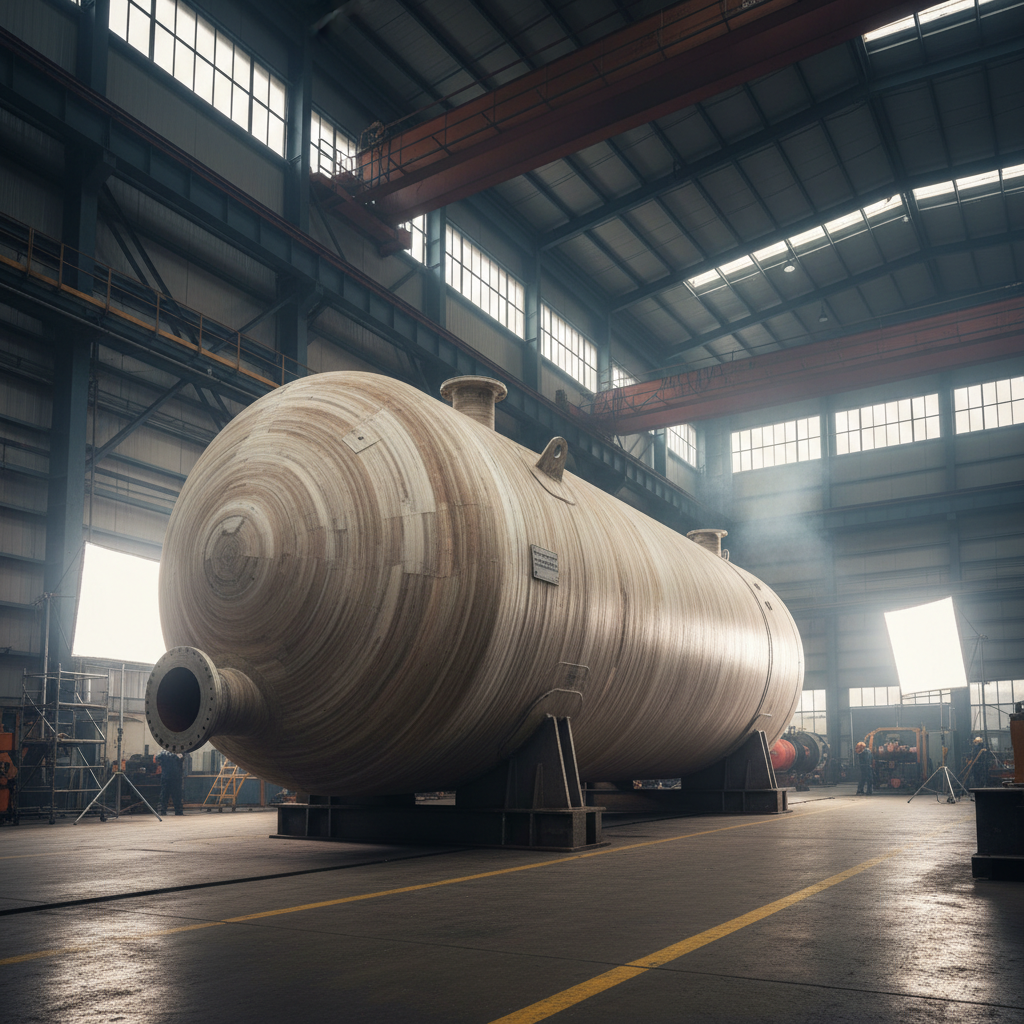
Benefits of Fiberglass Oil Tanks
Fiberglass oil tanks offer a compelling alternative to steel tanks. Their primary advantage lies in their resistance to corrosion. Unlike steel, fiberglass doesn’t rust, even when exposed to moisture or harsh weather conditions. This extends the tank’s lifespan significantly and reduces the risk of leaks and environmental contamination. Furthermore, fiberglass is a lightweight material, making installation easier and reducing transportation costs. They also require less maintenance over their lifetime, saving you time and money. These tanks are also non-conductive, reducing the risk of static discharge.
Key Highlights: Fiberglass tanks are corrosion-resistant, lightweight, and require minimal maintenance, offering a long-term, cost-effective solution for fuel storage.
Understanding Fiberglass Oil Tank Construction
Fiberglass oil tanks are typically constructed using a process called filament winding. This involves wrapping continuous strands of fiberglass-reinforced plastic around a mandrel (a mold). Layers of resin are applied to bind the fiberglass together, creating a strong, seamless shell. The number of layers and the type of resin used determine the tank’s strength and chemical resistance. Many tanks also incorporate a protective outer coating to shield the fiberglass from UV radiation and physical damage. JRAIN FRP utilizes advanced manufacturing techniques to ensure the highest quality and durability.
Construction Benefits:
• Seamless construction minimizes the risk of leaks.
• Filament winding provides exceptional strength.
• Resin selection ensures chemical compatibility.
• UV protection extends the tank's lifespan.
Fiberglass vs. Steel Oil Tanks: A Detailed Comparison
When deciding between fiberglass and steel oil tanks, it’s important to consider the long-term costs and benefits. Steel tanks are typically less expensive upfront but require regular maintenance to prevent rust and corrosion. Fiberglass tanks have a higher initial cost but offer significant savings over their lifespan due to reduced maintenance and a longer lifespan. Here's a detailed comparison:
Choosing the Right Size and Specifications
Selecting the correct size fiberglass oil tank is critical. Factors to consider include your fuel consumption rate, the number of occupants in your household or business, and local regulations. It's important to choose a tank that meets or exceeds your current needs with some buffer for future growth. JRAIN FRP offers a variety of tank sizes and configurations to meet diverse requirements. We also offer custom solutions if you have unique storage needs.
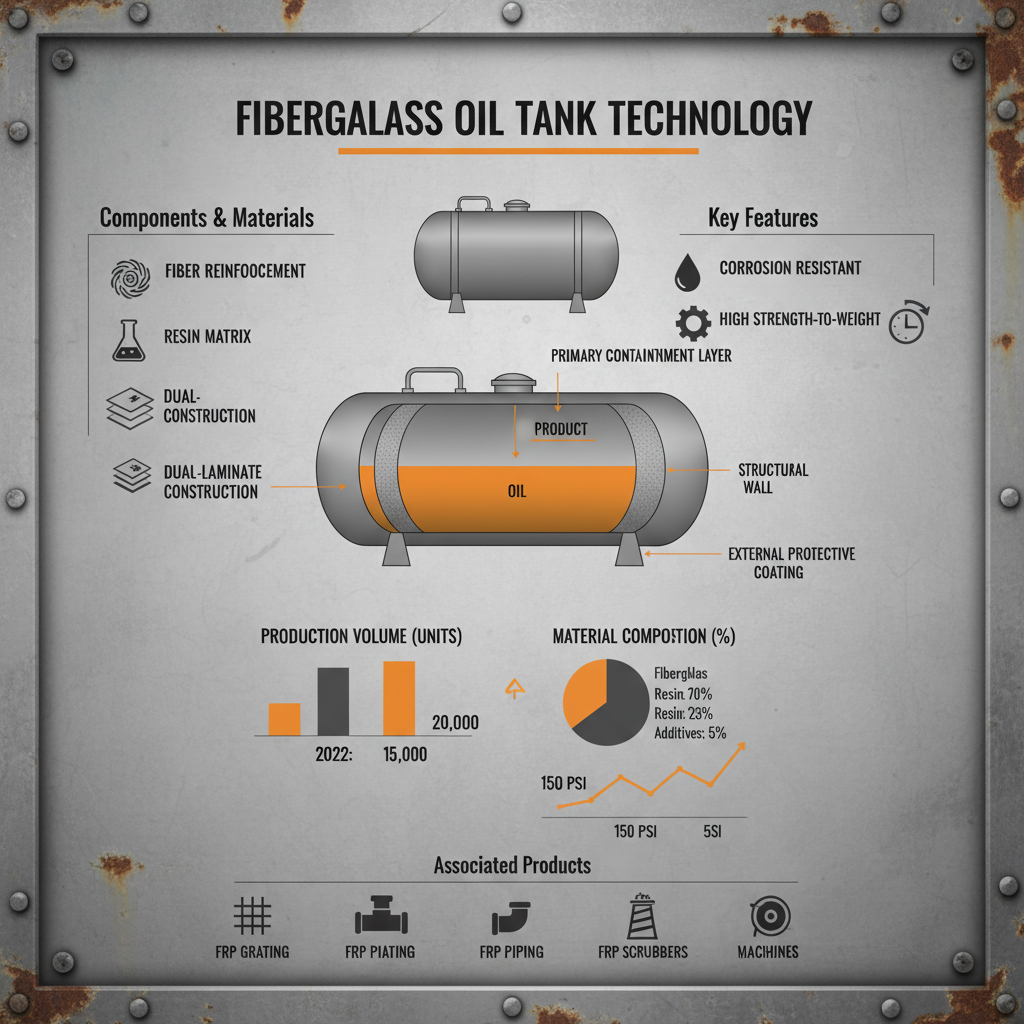
Product Specifications & Standards
Our fiberglass oil tanks are manufactured to meet or exceed industry standards, including those set by the American Petroleum Institute (API) and Underwriters Laboratories (UL). They are designed to withstand extreme temperatures, pressures, and environmental conditions. Here’s a look at key specifications:
Conclusion: Invest in Reliability with JRAIN FRP Fiberglass Tanks
Choosing a fiberglass oil tank from JRAIN FRP is an investment in long-term reliability, safety, and environmental protection. With superior corrosion resistance, minimal maintenance requirements, and compliance with industry standards, our tanks offer a cost-effective solution for your fuel storage needs. Contact us today to discuss your specific requirements and receive a customized quote.
Frequently Asked Questions (FAQs)
What types of fuel can be stored in a fiberglass tank?
Fiberglass tanks are compatible with a wide range of fuels, including heating oil, diesel fuel, gasoline, and biofuels. However, it’s crucial to verify the tank’s chemical compatibility with the specific fuel you intend to store. Different fuels have varying chemical properties, and the tank’s resin system must be able to withstand these properties without degradation. JRAIN FRP can provide guidance on fuel compatibility to ensure optimal performance and longevity.
Are fiberglass tanks environmentally friendly?
Yes, fiberglass tanks are considered more environmentally friendly than steel tanks. Their corrosion resistance significantly reduces the risk of leaks and soil contamination. Furthermore, they don’t require regular painting or coating, which can release volatile organic compounds (VOCs) into the atmosphere. The lightweight nature of fiberglass also reduces transportation energy consumption. Choosing a fiberglass tank demonstrates a commitment to environmental responsibility.
What is the warranty on JRAIN FRP fiberglass oil tanks?
JRAIN FRP stands behind the quality of its products. We offer a comprehensive warranty on our fiberglass oil tanks, covering defects in materials and workmanship. The specific warranty period varies depending on the tank size and configuration. Please contact our sales team for detailed warranty information. We are committed to providing our customers with peace of mind and long-lasting performance.


Latest news
-
Industrial High Pressure Fiberglass Pipe Guide and Technical SpecsNewsApr.16,2026
-
Industrial Storage Guide for Fiberglass Chemical TanksNewsApr.09,2026
-
Explore Durable and Customizable Custom Fiberglass Tanks for Your IndustryNewsApr.07,2026
-
Comprehensive Guide to Fiberglass Roof Tanks for Liquid Storage SolutionsNewsApr.04,2026
-
Comprehensive Guide to Durable and Corrosion Resistant Glass Fiber TanksNewsMar.31,2026
-
Comprehensive Guide to Tank Fiberglass Solutions and Their Diverse ApplicationsNewsMar.28,2026