

Comprehensive Guide to Large Diameter Fiberglass Pipe Solutions
Large Diameter Fiberglass Pipe: A Comprehensive Guide
When undertaking large-scale infrastructure projects, selecting the right piping material is crucial for long-term performance and reliability. Large diameter fiberglass pipe offers a compelling solution, combining strength, corrosion resistance, and lightweight properties. This article will delve into the benefits, applications, and key considerations for choosing fiberglass pipe for your next project. Understanding the nuances of this material will help you make an informed decision that maximizes efficiency and minimizes lifecycle costs.
The Advantages of Large Diameter Fiberglass Pipe
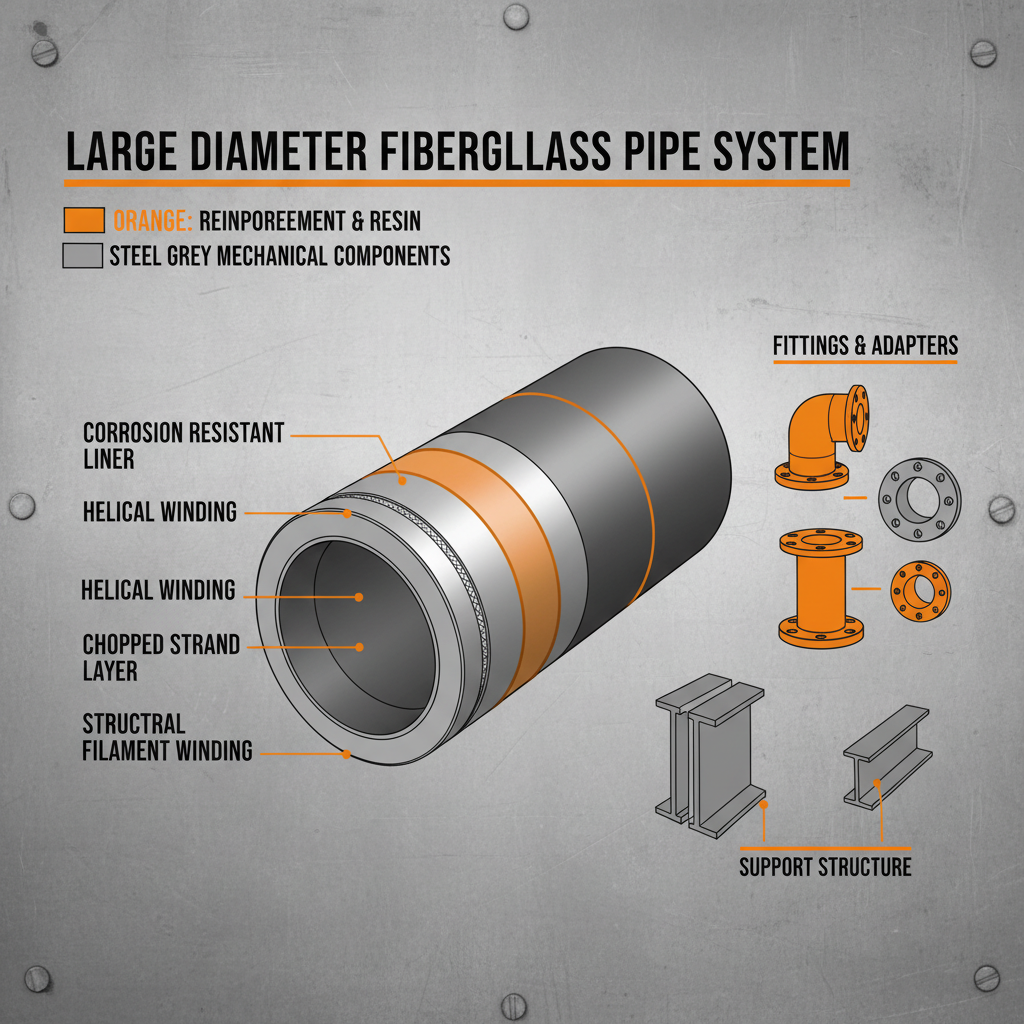
Fiberglass pipe, also known as Fiber Reinforced Polymer (FRP) pipe, boasts several advantages over traditional materials like concrete, steel, and ductile iron. Its high strength-to-weight ratio significantly reduces installation costs, as it requires less heavy equipment. Crucially, fiberglass is inherently corrosion resistant, eliminating the need for expensive coatings and reducing maintenance downtime. This is especially important in aggressive environments, such as those containing acidic or alkaline substances. Furthermore, fiberglass pipe offers excellent hydraulic properties, minimizing friction loss and improving flow rates. Jrain-FRP specializes in providing high-quality fiberglass pipe solutions tailored to your specific needs.
Key Benefits: Lightweight, corrosion resistant, high strength, excellent hydraulic flow, and reduced installation costs.
Common Applications of Large Diameter Fiberglass Pipe
The versatility of large diameter fiberglass pipe makes it suitable for a broad spectrum of applications. It's widely used in wastewater treatment plants for conveyance and process lines. Municipal water distribution systems benefit from its corrosion resistance and long lifespan. Industrial applications, such as chemical processing and power generation, utilize fiberglass pipe for its ability to handle aggressive fluids. Moreover, it’s increasingly being employed in irrigation, stormwater management, and even coastal outfalls. The ability to customize pipe diameters and stiffness to specific project requirements further expands its applicability.
Application Areas:
• Wastewater Treatment
• Potable Water Distribution
• Industrial Processing
• Irrigation Systems
Large Diameter Fiberglass Pipe vs. Traditional Materials
Comparing fiberglass pipe to traditional materials reveals significant advantages. Steel pipes are prone to corrosion, requiring regular maintenance and coatings. Concrete pipes are heavy and susceptible to cracking. Ductile iron can also corrode and is more expensive than fiberglass. Fiberglass, on the other hand, offers a superior combination of strength, durability, and cost-effectiveness. It provides a longer service life with reduced maintenance, resulting in lower total cost of ownership. The lightweight nature of fiberglass simplifies installation and minimizes disruption to existing infrastructure.
Factors to Consider When Selecting Fiberglass Pipe
Choosing the right large diameter fiberglass pipe requires careful consideration of several factors. Pipe diameter, pressure rating, and operating temperature are critical parameters. The type of fluid being conveyed and its chemical composition will influence the resin selection. Soil conditions and external loads must be assessed to determine the appropriate pipe stiffness. Working with a reputable supplier like Jrain-FRP ensures you receive expert guidance and a product tailored to your specific application.
Product Specifications and Standards Compliance
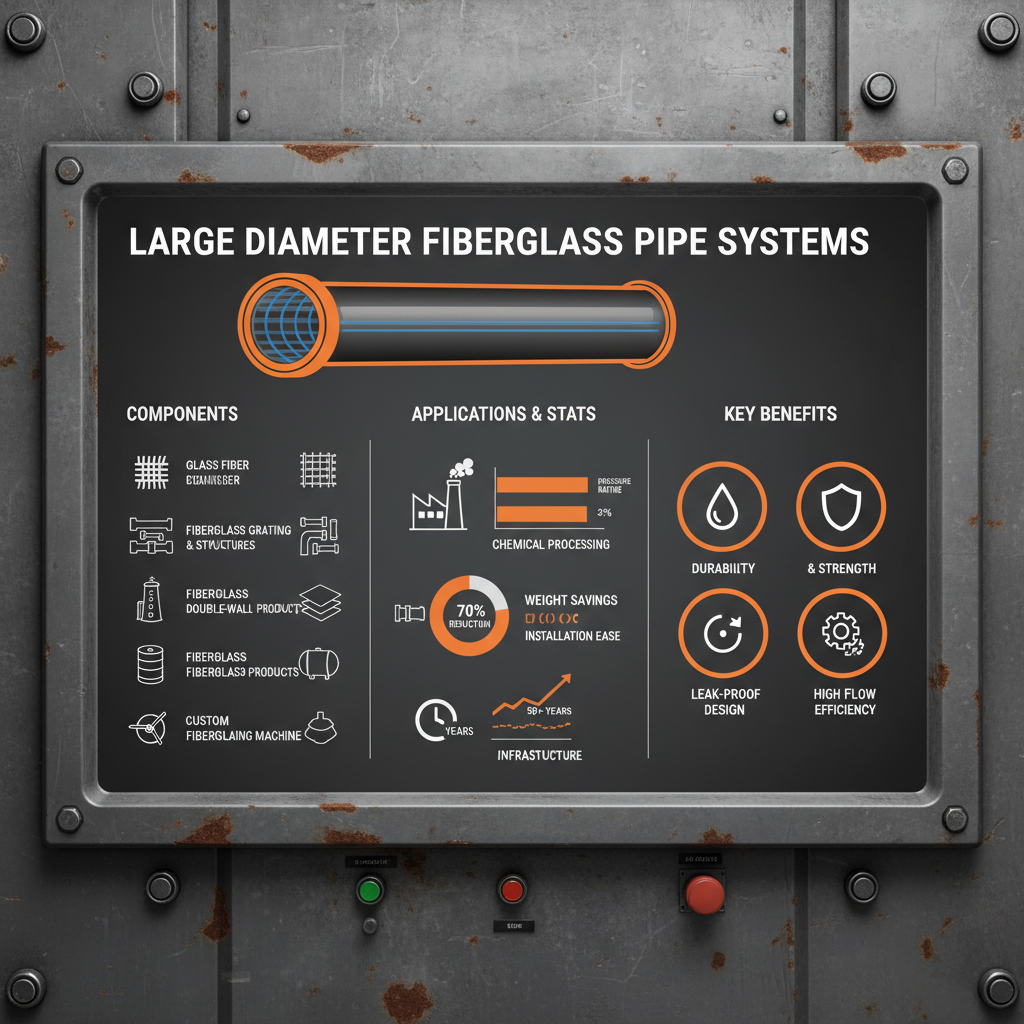
At Jrain-FRP, our fiberglass pipes adhere to stringent international standards, including ASTM D3261 and AWWA C950. We offer a wide range of diameters, from 12 inches to over 120 inches, and pressure ratings up to 350 psi. Our pipes are manufactured using premium resins and glass fibers, ensuring exceptional strength and durability. We provide complete documentation and testing reports to guarantee product quality and compliance.
Conclusion: Choosing the Right Fiberglass Pipe Partner
Investing in large diameter fiberglass pipe from a trusted supplier like Jrain-FRP is a strategic decision that delivers long-term value. Our commitment to quality, innovation, and customer service ensures you receive the optimal piping solution for your project needs. Contact us today to discuss your requirements and receive a customized quote.
Frequently Asked Questions (FAQs)
What is the typical lifespan of large diameter fiberglass pipe?
Large diameter fiberglass pipe boasts an exceptionally long lifespan, often exceeding 50 to 100 years, significantly outperforming traditional materials. Its inherent corrosion resistance and robust construction minimize degradation over time. However, lifespan can vary depending on environmental conditions, the type of fluid conveyed, and proper installation. Regular inspections are recommended to identify and address any potential issues promptly. Factors like UV exposure and extreme temperatures can impact lifespan, so selecting appropriate resins and protective coatings is crucial.
How is fiberglass pipe joined together?
Fiberglass pipe is typically joined using a variety of methods, including bell-and-spigot joints with rubber gaskets, flange connections, and filament winding with resin. The specific method depends on the pipe diameter, pressure rating, and application requirements. Filament winding provides a strong and leak-proof connection, while flange connections offer flexibility for maintenance and repairs. Proper joint preparation and adherence to manufacturer's instructions are essential to ensure a reliable and long-lasting seal.
What are the cost considerations for fiberglass pipe?
While the initial material cost of fiberglass pipe may be higher than some traditional materials, its long-term cost-effectiveness is often superior. Reduced maintenance, longer lifespan, and lower installation costs contribute to significant savings over the life of the pipe. The elimination of corrosion-related repairs and the absence of the need for protective coatings further reduce lifecycle costs. When evaluating cost, consider the total cost of ownership, including material, installation, maintenance, and replacement.
Latest news
-
Industrial High Pressure Fiberglass Pipe Guide and Technical SpecsNewsApr.16,2026
-
Industrial Storage Guide for Fiberglass Chemical TanksNewsApr.09,2026
-
Explore Durable and Customizable Custom Fiberglass Tanks for Your IndustryNewsApr.07,2026
-
Comprehensive Guide to Fiberglass Roof Tanks for Liquid Storage SolutionsNewsApr.04,2026
-
Comprehensive Guide to Durable and Corrosion Resistant Glass Fiber TanksNewsMar.31,2026
-
Comprehensive Guide to Tank Fiberglass Solutions and Their Diverse ApplicationsNewsMar.28,2026