

Explore the Benefits of Durable Pultruded Fiberglass Grating Solutions
Pultruded Fiberglass Grating: A Comprehensive Guide
When selecting flooring and structural support for demanding environments, pultruded fiberglass grating stands out as a superior solution. Renowned for its exceptional strength, corrosion resistance, and lightweight nature, it's an ideal choice across numerous industries. This article provides a detailed overview of pultruded fiberglass grating, its benefits, applications, and how to select the right grating for your specific needs. Understanding the features and advantages of this material can lead to safer, more durable, and cost-effective infrastructure.
What is Pultruded Fiberglass Grating?
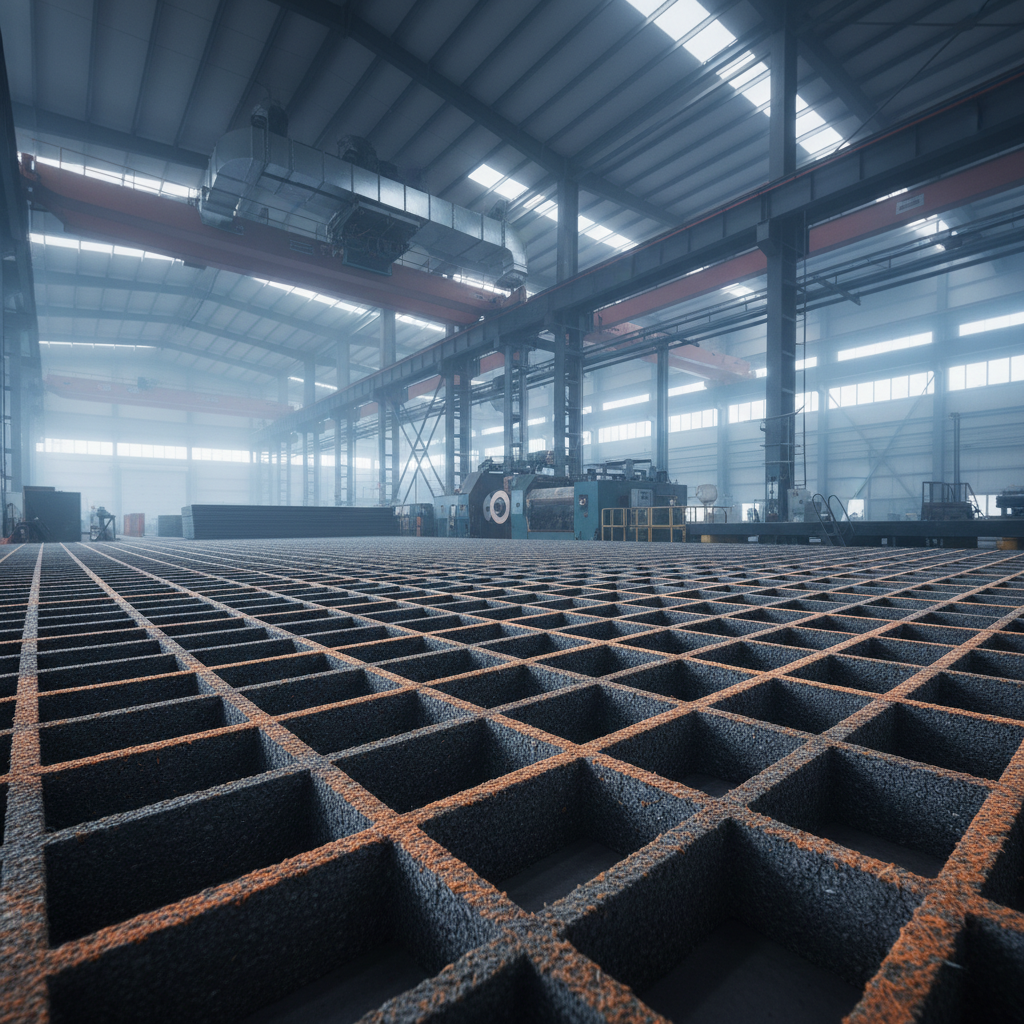
Pultruded fiberglass grating is a composite material created by pulling glass fibers through a resin bath and then forming them into a grid pattern. This "pultrusion" process results in a product with exceptional strength-to-weight ratio and consistent structural properties. Unlike traditional materials like steel, fiberglass grating doesn’t corrode, making it exceptionally durable in harsh environments. The resulting grating is incredibly strong in multiple directions, making it suitable for load-bearing applications. JRain-FRP specializes in the production of high-quality, custom-designed pultruded fiberglass grating.
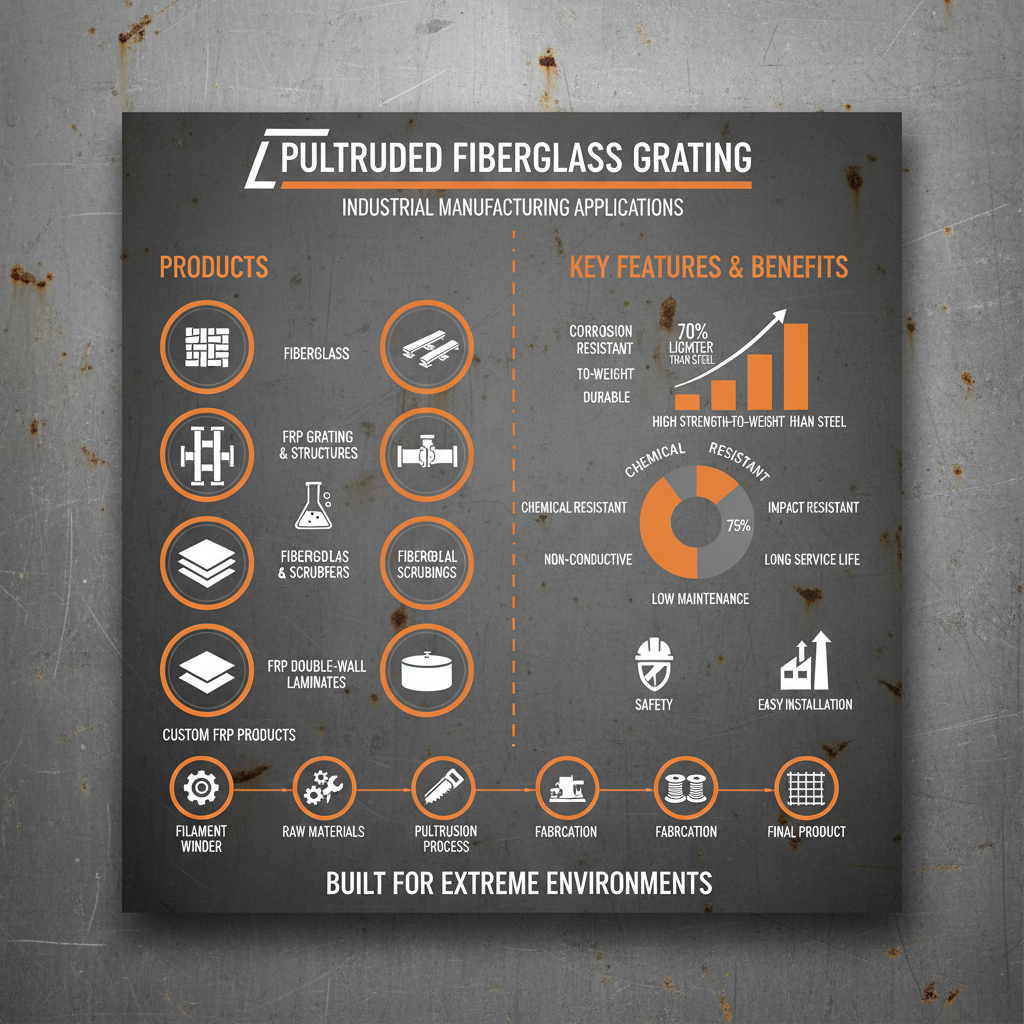
Key Highlights: Exceptional strength-to-weight ratio, corrosion resistance, non-conductive properties, and ease of installation.
The Benefits of Choosing Fiberglass Grating
Fiberglass grating offers a multitude of advantages over traditional materials. Its lightweight nature significantly reduces installation costs and time, as it requires less support structure. Crucially, it’s non-conductive, making it a safe choice in environments where electrical hazards are present. The resistance to corrosion eliminates the need for frequent repairs and replacements, lowering lifecycle costs. Furthermore, fiberglass grating requires minimal maintenance, reducing downtime and operational expenses. The long-term cost savings often outweigh the initial investment.
Fiberglass Grating Advantages:
• Lightweight for easier installation
• Corrosion resistant for long-lasting performance
• Non-conductive for enhanced safety
• Low maintenance reduces operational costs
Pultruded Fiberglass Grating vs. Steel Grating: A Comparison
Comparing pultruded fiberglass grating to steel grating reveals significant differences in performance and cost. Steel is susceptible to corrosion, requiring regular painting and maintenance, while fiberglass grating remains corrosion-free. Steel is considerably heavier than fiberglass, increasing installation complexities and costs. The non-conductive nature of fiberglass offers a safety advantage over steel, especially in electrical environments. While the initial cost of steel might be lower, the long-term cost, including maintenance and replacement, often makes fiberglass a more economical choice. JRain-FRP's fiberglass grating provides a superior return on investment.
Applications of Pultruded Fiberglass Grating
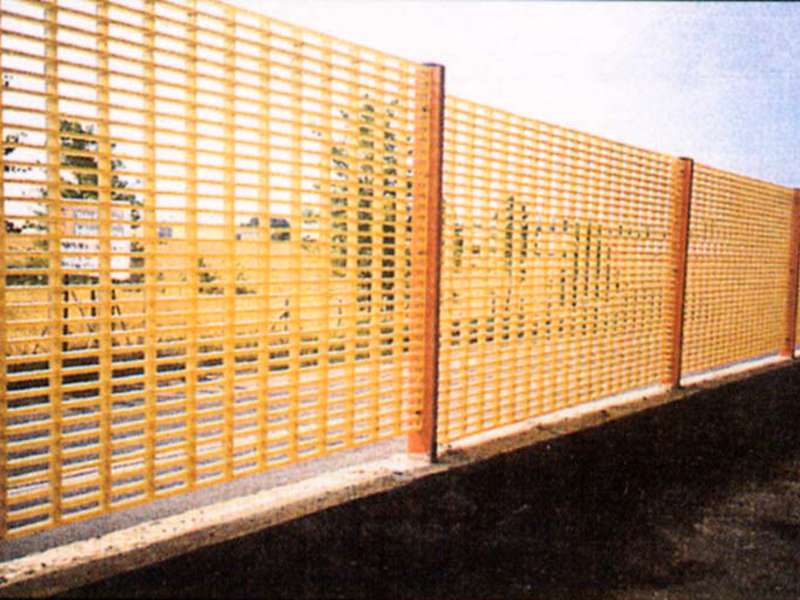
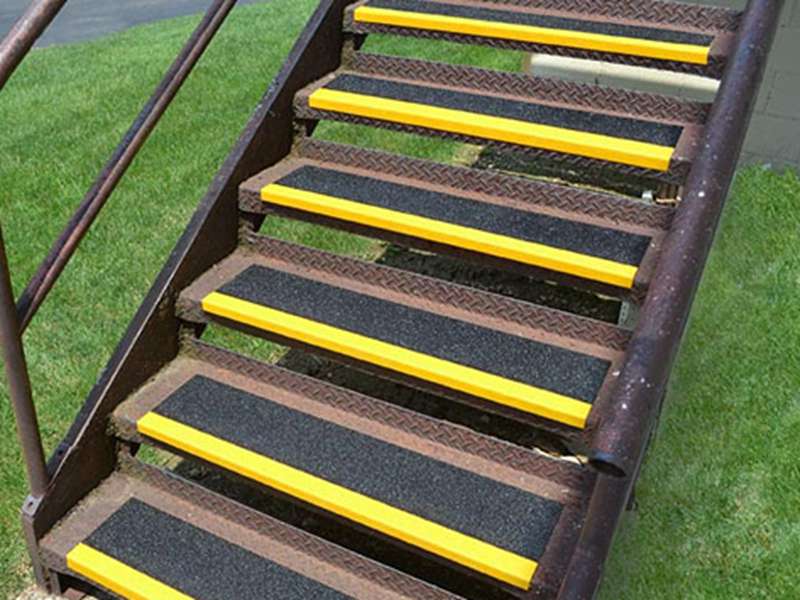
The versatility of fiberglass grating makes it suitable for a wide array of applications. Common uses include walkways, platforms, stair treads, trench covers, and drainage systems. It's particularly advantageous in corrosive environments like wastewater treatment plants, chemical processing facilities, and offshore platforms. Industries benefiting from fiberglass grating include oil and gas, pulp and paper, power generation, and food processing. The strength and durability of the material ensure long-lasting performance in challenging conditions.
Selecting the Right Pultruded Fiberglass Grating
Choosing the correct fiberglass grating requires careful consideration of the application's specific needs. Factors to consider include load capacity, mesh size, resin type, and panel thickness. JRain-FRP offers a range of grating options to meet diverse requirements. Our experienced team can provide guidance in selecting the optimal grating for your project. We provide custom designs to fit the most challenging applications. Consider consulting with a structural engineer to ensure proper load calculations and compliance with safety regulations.
Conclusion: Enhance Your Infrastructure with Fiberglass Grating
Investing in pultruded fiberglass grating offers a long-term solution for durable, safe, and cost-effective infrastructure. Its superior properties and versatility make it ideal for numerous industries and applications. Contact JRain-FRP today to explore the possibilities and find the perfect grating solution for your project.
Frequently Asked Questions (FAQs)
What is the load capacity of pultruded fiberglass grating?
The load capacity of pultruded fiberglass grating varies depending on factors such as the mesh size, panel thickness, and resin type. Generally, fiberglass grating can support significant loads, often exceeding that of steel for comparable weights. It’s crucial to consult load capacity charts provided by the manufacturer and perform calculations based on your specific application requirements. JRain-FRP provides detailed load capacity information for all our grating products, and our engineers can assist with load calculations to ensure safe and reliable performance. Proper installation and support are also essential for maximizing load capacity.
Is fiberglass grating suitable for outdoor use?
Yes, pultruded fiberglass grating is highly suitable for outdoor applications. It's naturally resistant to corrosion, UV radiation, and weathering, making it ideal for exposure to the elements. The resin system used in the grating protects the glass fibers from degradation, ensuring long-lasting performance. It won't rust, rot, or weaken over time like many traditional materials. However, it's important to select a resin type that is specifically formulated for UV resistance if prolonged exposure to sunlight is anticipated.
How is fiberglass grating installed?
Fiberglass grating is relatively easy to install, typically requiring less specialized equipment and labor than steel grating. It can be cut with standard power tools. Common installation methods include bolting, screwing, or using adhesives. Proper support structures are essential to ensure the grating can safely bear the anticipated loads. JRain-FRP provides detailed installation guidelines and can offer support to ensure proper implementation. It's always best to follow the manufacturer's recommendations and consult with a qualified installer.
What are the fire resistance properties of fiberglass grating?
Fiberglass grating generally exhibits good fire resistance properties. While not inherently fireproof, it doesn’t burn and won’t contribute to the spread of flames. It typically has a flame spread index lower than that of steel or wood. However, the specific fire resistance rating depends on the resin type used in the grating. It’s essential to consult the manufacturer’s specifications and ensure the grating meets the fire safety requirements for your specific application and building codes.
Latest news
-
Industrial High Pressure Fiberglass Pipe Guide and Technical SpecsNewsApr.16,2026
-
Industrial Storage Guide for Fiberglass Chemical TanksNewsApr.09,2026
-
Explore Durable and Customizable Custom Fiberglass Tanks for Your IndustryNewsApr.07,2026
-
Comprehensive Guide to Fiberglass Roof Tanks for Liquid Storage SolutionsNewsApr.04,2026
-
Comprehensive Guide to Durable and Corrosion Resistant Glass Fiber TanksNewsMar.31,2026
-
Comprehensive Guide to Tank Fiberglass Solutions and Their Diverse ApplicationsNewsMar.28,2026