



What Is FRP Chemical Tank? Durable, Lightweight Storage Solutions for Industrial & Humanitarian Use
Understanding FRP Chemical Tanks: Durable Solutions for Modern Industry
In industries ranging from chemical processing to water treatment, the demand for reliable and resilient storage solutions is immense. FRP chemical tanks—those sturdy tanks made from fiber-reinforced plastic—have quietly become a global cornerstone. Why? Because they combine resistance, adaptability, and cost effectiveness in just one package. Plus, their utility spans far beyond traditional factories, impacting humanitarian efforts and environmental management worldwide.
Introduction: Why FRP Chemical Tanks Matter Globally
Across continents, industries handle chemicals with an ever-increasing focus on safety, sustainability, and long-term durability. The United Nations Environment Programme notes that improper handling of chemicals can lead to devastating environmental and public health crises. Here’s where frp chemical tank technology enters as a pivotal innovation. Data from ISO suggests that composite materials like FRP outperform traditional metals in many corrosive environments, meaning fewer failures and leaks.
But the challenge remains: how to provide scalable, reliable storage that suits flexible industrial and humanitarian setups? FRP tanks are answering that call, and frankly, they are reshaping storage standards worldwide.
What Exactly Is an FRP Chemical Tank?
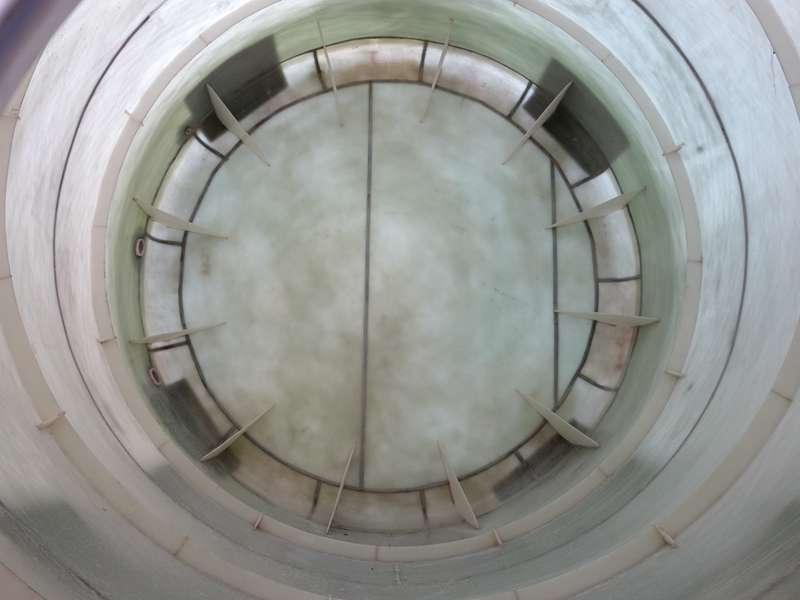
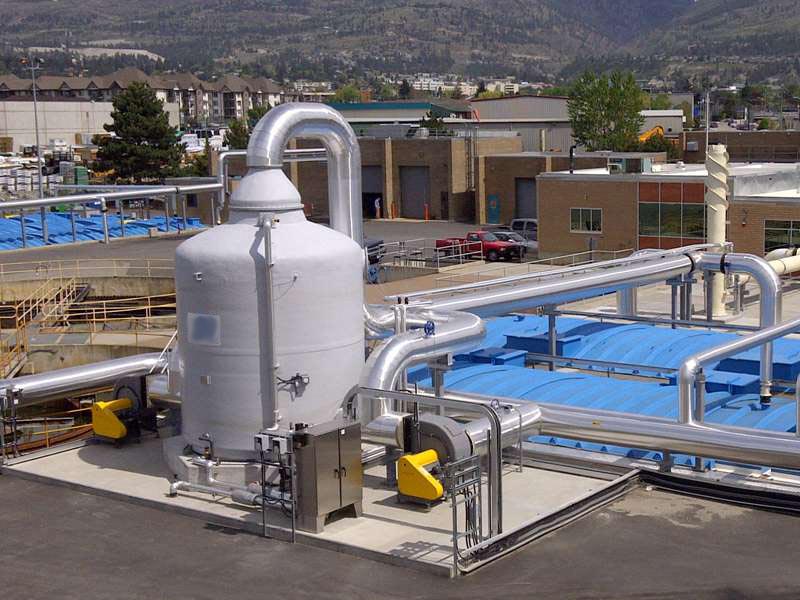
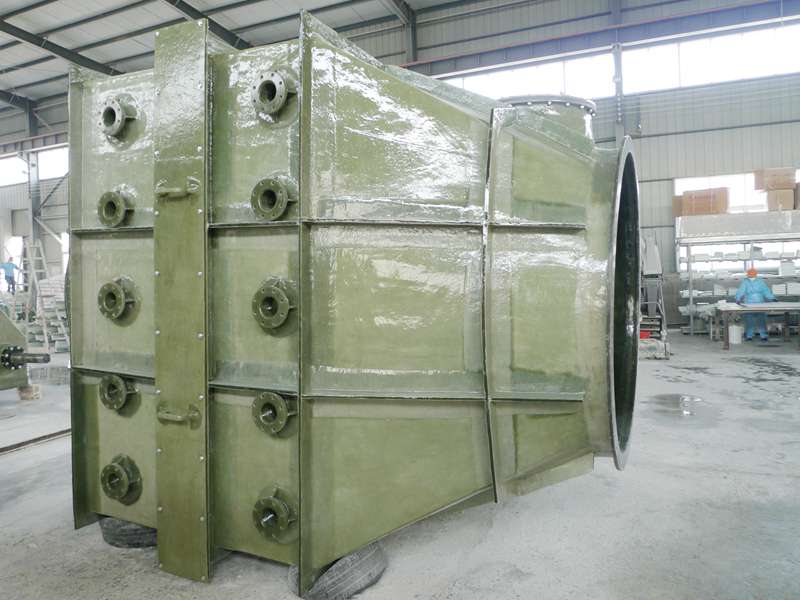
At its core, an FRP chemical tank is a storage container made by layering fibers—usually glass fibers—within a plastic resin matrix. The result: a lightweight yet extremely strong vessel resistant to corrosion and chemical degradation. Unlike steel tanks that rust or concrete that cracks, these tanks endure aggressive chemicals without compromising their integrity.
Industrially, they’re used to store acids, alkalis, wastewater, and more. Humanitarian-wise, they’re invaluable for safely storing water and chemicals in fragile environments where infrastructure is minimal but stakes are high.
Key Features of FRP Chemical Tanks
Durability & Chemical Resistance
The composite nature grants FRP tanks outstanding resistance to most acids, alkalis, and solvents. This means long service life without the risk of internal corrosion typical in metal tanks.
Lightweight & Easy to Transport
Compared to concrete or steel, FRP tanks weigh much less. This ease of transport is crucial for remote industrial sites or emergency response situations.
Cost Efficiency
While initial costs might appear higher than basic plastic tanks, FRP tanks save money over time by reducing maintenance needs, avoiding leaks, and preventing environmental fines.
Customization & Scalability
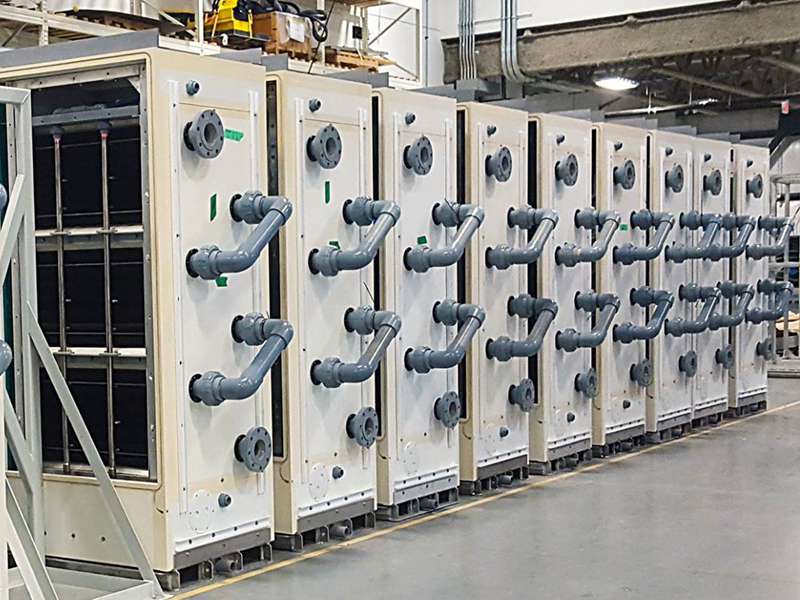
FRP tanks come in various sizes and shapes, customized to client needs—from portable 500-liter tanks to massive 100,000-liter storage units. Long pipelines and connections can also be integrated seamlessly.
Environmental Sustainability
Modern manufacturing integrates recycled materials where possible, and the long lifespan of FRP reduces waste, echoing circular economy principles.
Typical Product Specifications
| Specification | Typical Value |
|---|---|
| Material | Glass Fiber Reinforced Plastic (FRP) |
| Capacity Range | 500 L to 100,000 L |
| Operating Temperature | -20°C to 80°C |
| Chemical Resistance | Acids, Alkalis, Solvents (varies by resin) |
| Life Expectancy | 20-30 Years |
Takeaway: The specs show an adaptable and robust product engineered for tough chemical storage environments — lightweight but built for longevity.
Global Applications & Use Cases
Oddly enough, these tanks are everywhere—from the petrochemical hubs in the Middle East to remote water treatment stations in sub-Saharan Africa. Organizations like the UN and WHO rely on FRP tanks to store safe drinking water after natural disasters, while industries use them for corrosive chemical containment.
- In post-disaster relief: Rapid deployment of FRP tanks ensures safe water storage where infrastructure is damaged.
- In chemical manufacturing: They store aggressive solvents that would degrade traditional tanks.
- Wastewater treatment plants: FRP tanks help manage corrosive sludges without frequent replacement.
Vendor Comparison: Top FRP Chemical Tank Suppliers
| Supplier | Capacity Range | Customization | Lead Time | Price Range |
|---|---|---|---|---|
| Jrain FRP | 500 L to 100,000 L | Highly customizable | 4-6 weeks | Mid-range |
| TankPro Ltd. | 1,000 L to 80,000 L | Standard sizes mostly | 6-8 weeks | High |
| ChemSafe Tanks | 500 L to 50,000 L | Some customization | 3-5 weeks | Low to mid-range |
Advantages & Long-Term Value of FRP Chemical Tanks
The lasting benefits are multi-dimensional. First, from a purely logical perspective, fewer leaks and less maintenance mean cost savings. But it also feels safer, knowing tanks won’t suddenly corrode and spill harmful chemicals. Socially, these tanks promote environmental safety, a core factor as industries worldwide tighten regulations.
Also, for communities relying on water storage in fragile places, these tanks uphold dignity and public health. It’s a kind of quiet innovation that touches lives beyond financial bottom lines.
Future Trends & Emerging Innovations
Looking forward, the industry is embracing greener resins and automated fabrication to reduce carbon footprints. Digital monitoring and IoT integrations offer real-time condition tracking to prevent failures. Plus, modular designs are pushing scalability further, which is exciting for disaster relief and industrial expansions alike.
Challenges & Solutions in FRP Tank Use
Of course, no technology is flawless. FRP tanks can be sensitive to UV degradation if not properly coated, and their repair requires specialist skills. But advanced coatings and training programs have made these concerns increasingly manageable. Additionally, improvements in resin chemistry continue to enhance durability.
FAQ: Frequently Asked Questions About FRP Chemical Tanks
- What chemicals can FRP tanks safely store?
- FRP tanks are suitable for a wide range of chemicals, including many acids, alkalis, and solvents. However, chemical compatibility depends on the resin used; always consult compatibility charts before selection.
- How long do FRP chemical tanks typically last?
- With proper maintenance, FRP tanks have a service life of 20–30 years, often longer in less aggressive environments.
- Are FRP tanks easy to transport for remote applications?
- Yes, their lightweight nature makes them ideal for remote sites and emergency deployment, often transported in sections or fully assembled depending on size.
- Can FRP tanks be customized for specific industrial needs?
- Absolutely. FRP tanks offer flexibility in size, shape, fittings, and coatings to fit specialized industrial requirements.
Conclusion & Call to Action
In sum, frp chemical tanks embody a thoughtful blend of durability, safety, and adaptability. They stand at the intersection of industrial necessity and environmental stewardship, solving real-world challenges with quiet efficiency. If you’re considering a chemical storage solution that balances cost, longevity, and sustainability, exploring FRP tanks is a smart move.
To dive deeper and explore high-quality options, we invite you to visit our website where comprehensive solutions await.
It’s interesting how such an unassuming product can have significant ripple effects globally. As the world leans more on materials science, FRP chemical tanks quietly do their part — a testament to engineered resilience.
References


Latest news
-
Industrial High Pressure Fiberglass Pipe Guide and Technical SpecsNewsApr.16,2026
-
Industrial Storage Guide for Fiberglass Chemical TanksNewsApr.09,2026
-
Explore Durable and Customizable Custom Fiberglass Tanks for Your IndustryNewsApr.07,2026
-
Comprehensive Guide to Fiberglass Roof Tanks for Liquid Storage SolutionsNewsApr.04,2026
-
Comprehensive Guide to Durable and Corrosion Resistant Glass Fiber TanksNewsMar.31,2026
-
Comprehensive Guide to Tank Fiberglass Solutions and Their Diverse ApplicationsNewsMar.28,2026