



Comprehensive Guide to Durable and Corrosion Resistant Glass Fiber Tanks
Glass Fiber Tank: A Comprehensive Guide
When it comes to efficient and reliable liquid storage, glass fiber tanks are increasingly becoming the material of choice for a wide array of industries. Known for their durability, corrosion resistance, and cost-effectiveness, these tanks offer a superior alternative to traditional materials like steel or concrete. This article will delve into the world of glass fiber tanks, exploring their benefits, applications, specifications, and why JRAIN FRP stands out as a leading provider. Choosing the right storage solution is critical for maintaining product integrity and operational efficiency.
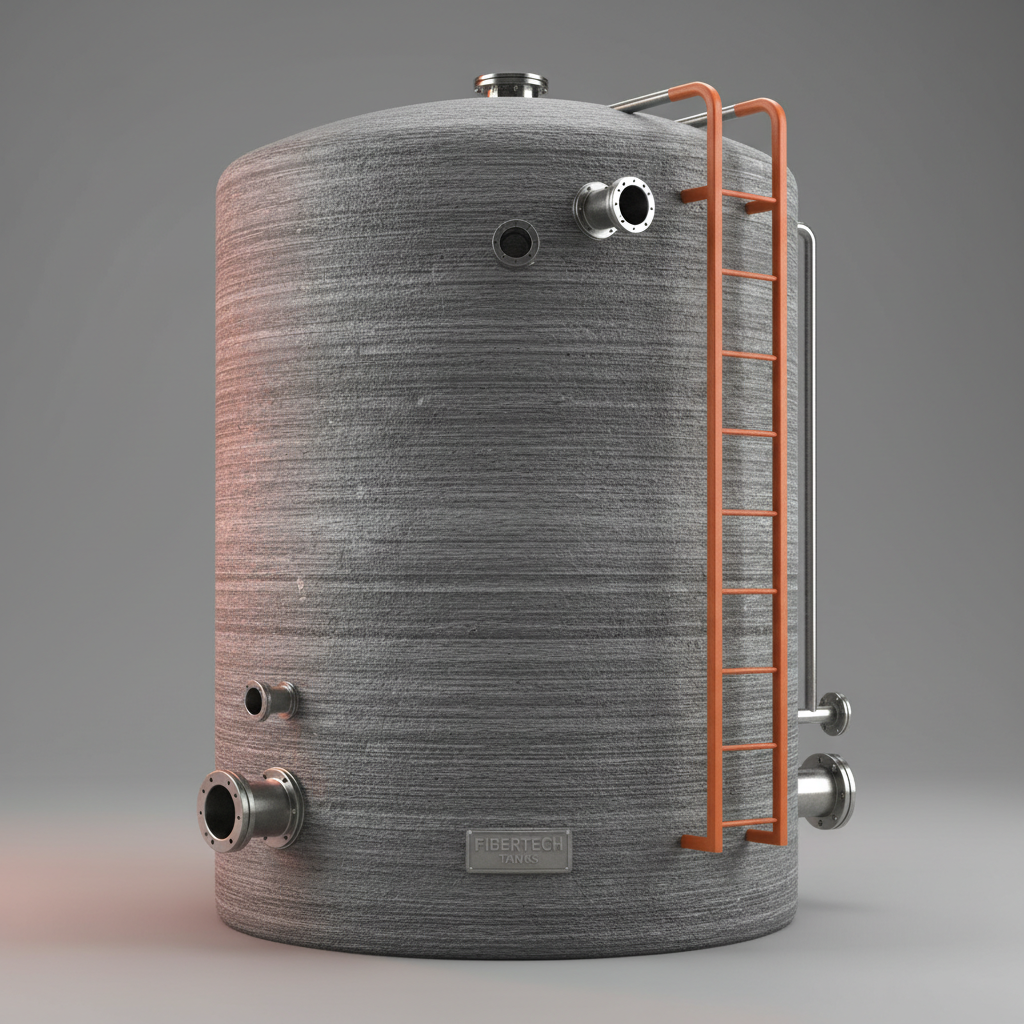
Understanding Glass Fiber Tank Technology
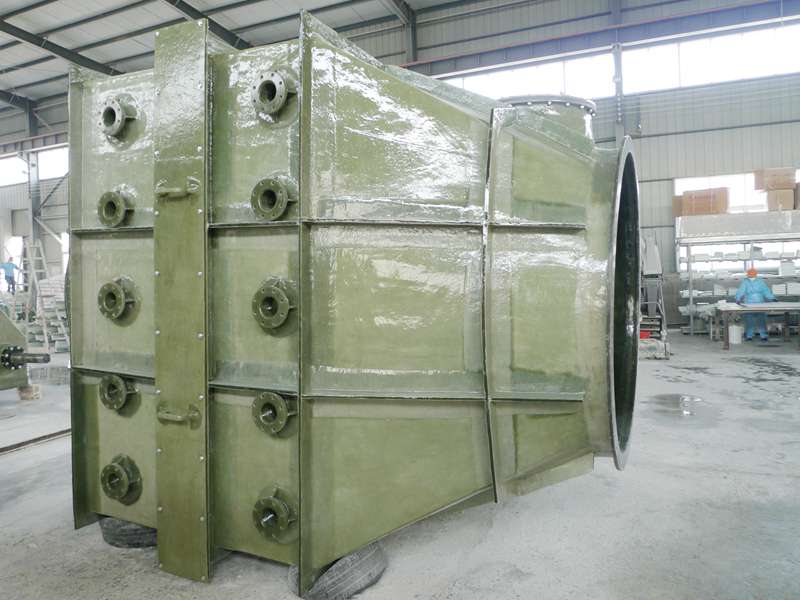
Glass fiber reinforced polymer (FRP) tanks, commonly referred to as glass fiber tanks, are constructed using layers of glass fibers embedded in a resin matrix. This composite material combines the strength of the glass fibers with the chemical resistance and binding properties of the resin. The result is a tank that's lightweight yet remarkably strong, capable of withstanding harsh environments and corrosive substances. The manufacturing process allows for customization, meaning tanks can be tailored to specific dimensions, shapes, and pressure requirements. JRAIN FRP utilizes advanced winding and molding techniques to ensure consistent quality and structural integrity.
Key Benefits: Lightweight, Corrosion-Resistant, High Strength-to-Weight Ratio, Customizable, Long Lifespan.
Key Applications of Glass Fiber Tanks
The versatility of glass fiber tanks makes them suitable for a diverse range of applications. They are commonly used for storing water, chemicals, acids, alkalis, and various industrial liquids. Specific industries that benefit from these tanks include: chemical processing, wastewater treatment, agriculture, food and beverage, pharmaceuticals, and oil and gas. The ability to withstand corrosive environments makes them ideal for storing hazardous materials, ensuring safety and environmental protection. JRAIN FRP provides tailored solutions for these industries, adhering to stringent quality standards.
Industry Applications:
• Chemical Processing
• Wastewater Treatment
• Agriculture
• Food & Beverage
Glass Fiber Tank vs. Traditional Materials: A Comparative Analysis
Compared to traditional tank materials like steel or concrete, glass fiber tanks offer significant advantages. Steel tanks are prone to corrosion, requiring frequent maintenance and eventually replacement. Concrete tanks are heavy, susceptible to cracking, and can leach harmful substances into the stored liquid. Glass fiber tanks, on the other hand, are lightweight, corrosion-resistant, and require minimal maintenance. While the initial investment might be comparable, the long-term cost savings associated with reduced maintenance and extended lifespan make glass fiber tanks a more economical choice.
Choosing the Right Glass Fiber Tank: Factors to Consider
Selecting the appropriate glass fiber tank involves considering several key factors. The type of liquid being stored is paramount, as different resins offer varying levels of chemical resistance. Tank size and shape should be determined by storage volume requirements and available space. Operating pressure and temperature also play a critical role in material selection. Finally, regulatory compliance and industry standards must be met. JRAIN FRP's experienced team can assist in evaluating these factors and recommending the optimal tank solution for your specific needs.
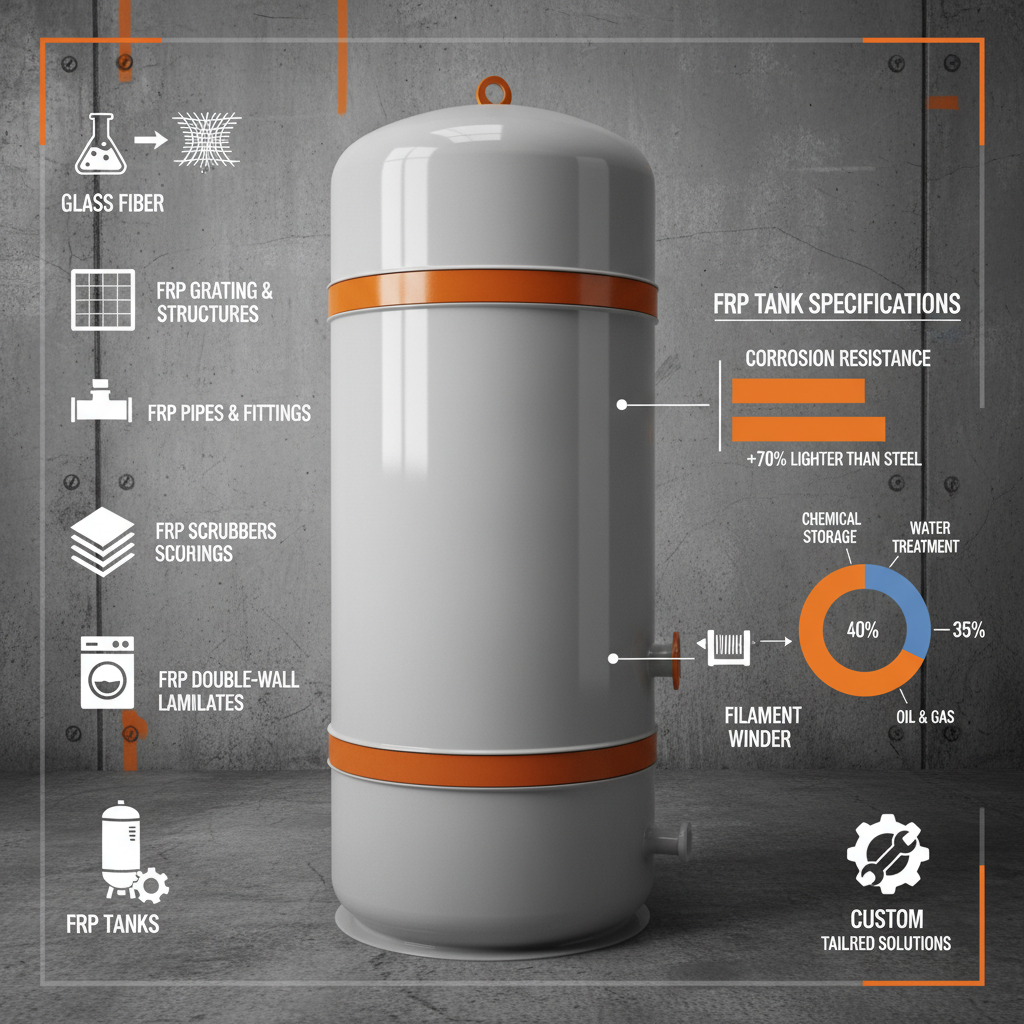
JRAIN FRP: Your Trusted Glass Fiber Tank Supplier
JRAIN FRP is a leading manufacturer and supplier of high-quality glass fiber tanks. We specialize in providing customized solutions to meet the unique needs of our clients. Our tanks are manufactured using premium materials and advanced technologies, ensuring durability, reliability, and long-term performance. We are committed to providing exceptional customer service and technical support, guiding you through every step of the process, from initial consultation to installation and beyond.
Conclusion: Invest in Quality and Reliability
Choosing the right storage solution is a critical decision for any business. JRAIN FRP's glass fiber tanks offer a superior combination of durability, corrosion resistance, and cost-effectiveness. By investing in a quality tank from a trusted supplier, you can ensure the safe and reliable storage of your valuable liquids, minimizing downtime and maximizing operational efficiency.
Frequently Asked Questions (FAQs)
What is the typical lifespan of a JRAIN FRP glass fiber tank?
A JRAIN FRP glass fiber tank is engineered for long-term durability, typically exceeding 30 years of reliable service. The actual lifespan depends on factors such as the stored media, operating conditions, and maintenance practices. Our tanks are designed to resist corrosion, UV degradation, and chemical attack, minimizing the risk of failure. Regular inspections and adherence to recommended maintenance procedures will maximize the tank's lifespan.
Can JRAIN FRP tanks be customized to my specific requirements?
Yes, JRAIN FRP specializes in customized tank solutions. We can tailor tank dimensions, shapes, fittings, and resin formulations to precisely meet your application's needs. Our engineering team will work closely with you to understand your requirements and develop a tank that delivers optimal performance and efficiency.
What types of chemicals are compatible with JRAIN FRP tanks?
Glass fiber tanks offer excellent chemical resistance to a wide range of substances. However, compatibility depends on the specific resin used in the tank’s construction. JRAIN FRP offers a variety of resin options, including polyester, vinyl ester, and epoxy, each with varying levels of chemical resistance. Our team can provide a chemical compatibility chart or conduct testing to ensure the selected tank is suitable for your application.
Are JRAIN FRP tanks compliant with industry standards?
Yes, JRAIN FRP tanks are manufactured to meet or exceed relevant industry standards, including ASTM, ISO, and other applicable regulations. We maintain strict quality control procedures throughout the manufacturing process to ensure our tanks consistently meet the highest standards of safety and performance. We can provide documentation and certifications upon request.

Latest news
-
Industrial High Pressure Fiberglass Pipe Guide and Technical SpecsNewsApr.16,2026
-
Industrial Storage Guide for Fiberglass Chemical TanksNewsApr.09,2026
-
Explore Durable and Customizable Custom Fiberglass Tanks for Your IndustryNewsApr.07,2026
-
Comprehensive Guide to Fiberglass Roof Tanks for Liquid Storage SolutionsNewsApr.04,2026
-
Comprehensive Guide to Durable and Corrosion Resistant Glass Fiber TanksNewsMar.31,2026
-
Comprehensive Guide to Tank Fiberglass Solutions and Their Diverse ApplicationsNewsMar.28,2026