

Comprehensive Guide to Fiberglass Floor Grating Benefits and Applications
Fiberglass Floor Grating: A Comprehensive Guide
Fiberglass floor grating is a versatile and durable material used extensively in various industrial, commercial, and infrastructure applications. Known for its exceptional strength-to-weight ratio, corrosion resistance, and safety features, it’s a superior alternative to traditional materials like steel in many scenarios. This article provides an in-depth exploration of fiberglass floor grating, covering its benefits, applications, types, installation, and maintenance. Understanding the properties of fiberglass floor grating is crucial for making informed decisions for your project.
Understanding the Benefits of Fiberglass Floor Grating
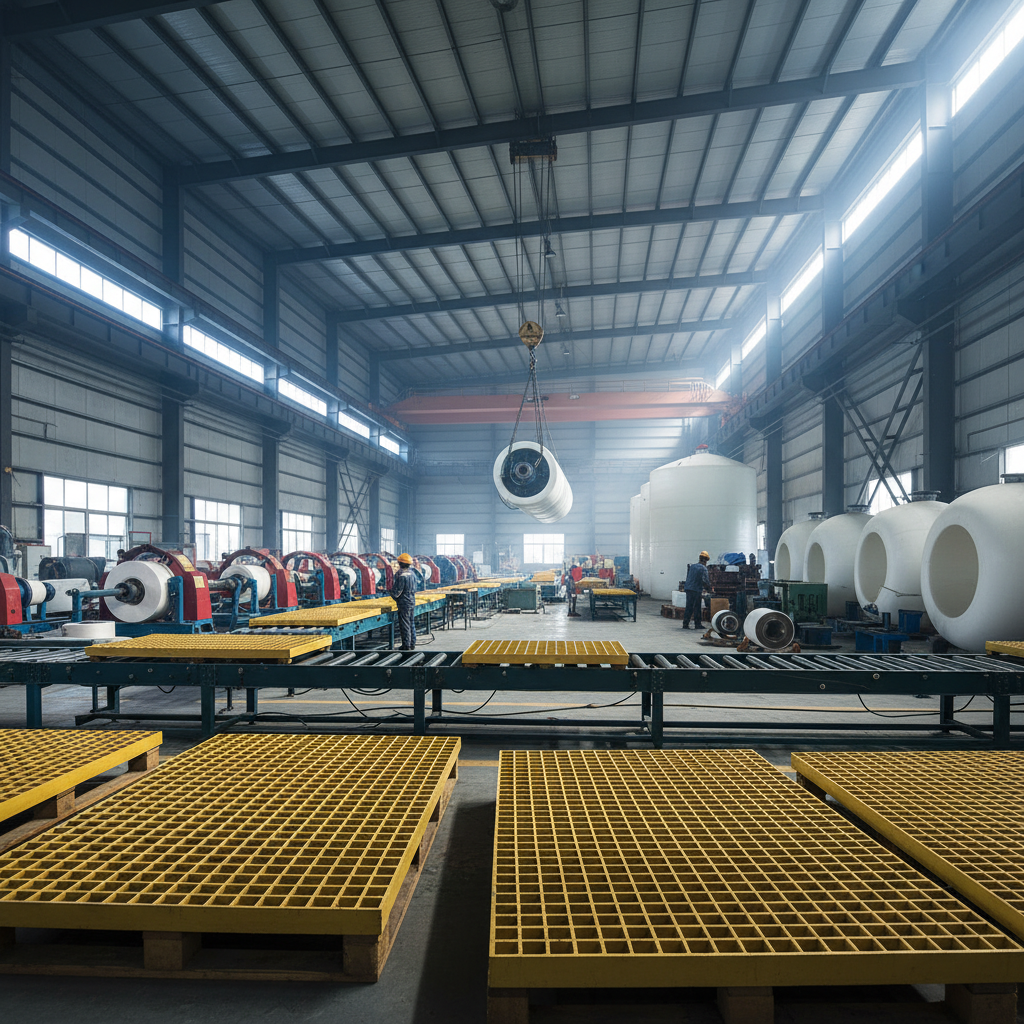
Fiberglass floor grating offers a multitude of advantages over traditional materials. Firstly, it's incredibly lightweight, making installation easier and reducing structural support requirements. Secondly, it’s highly resistant to corrosion from harsh chemicals, saltwater, and weathering, significantly extending its lifespan. Furthermore, it's non-conductive, providing electrical safety in potentially hazardous environments. The inherent slip resistance of many fiberglass grating designs enhances worker safety, while its low maintenance requirements translate to long-term cost savings. Compared to steel, fiberglass grating doesn't require painting or hot-dip galvanizing, further reducing maintenance costs.
Key Highlights: Lightweight, corrosion-resistant, non-conductive, slip-resistant, and low maintenance.
Common Applications of Fiberglass Floor Grating
The versatility of fiberglass floor grating leads to its widespread application across various industries. Common uses include walkways and platforms in industrial plants, oil and gas facilities, wastewater treatment plants, and chemical processing facilities. It’s also used in marine environments for docks, piers, and boat ramps due to its superior corrosion resistance. Additionally, it finds applications in power generation plants, pulp and paper mills, and food processing facilities. Its ability to withstand harsh conditions makes it ideal for applications where safety and durability are paramount.
Application Areas:
• Industrial Walkways & Platforms
• Wastewater Treatment Plants
• Marine Environments (Docks & Piers)
• Chemical Processing Facilities
Fiberglass Floor Grating vs. Steel Grating: A Comparative Analysis
While steel grating has been a traditional choice, fiberglass grating offers significant advantages in many applications. Steel is susceptible to corrosion, requiring regular maintenance and potentially leading to costly repairs or replacements. Fiberglass, on the other hand, is inherently corrosion-resistant, minimizing long-term costs. The weight difference is substantial – fiberglass is approximately 75% lighter than steel, simplifying installation and reducing support structure requirements. Fiberglass is also non-conductive, a critical safety feature in electrical environments, unlike steel which is a conductor. Choosing the right material depends on the specific application and environmental conditions, but fiberglass often provides a superior long-term value proposition.
Types of Fiberglass Floor Grating Available from JRAIN-FRP
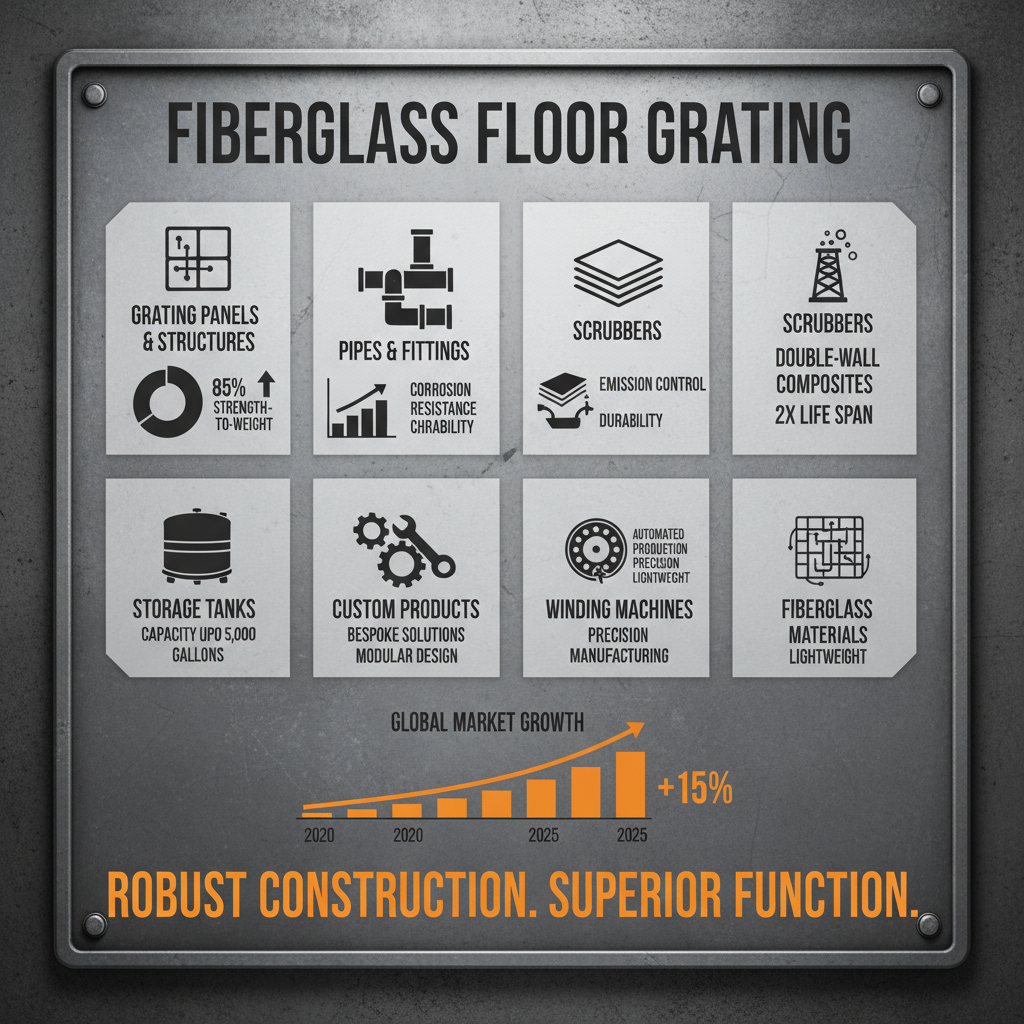
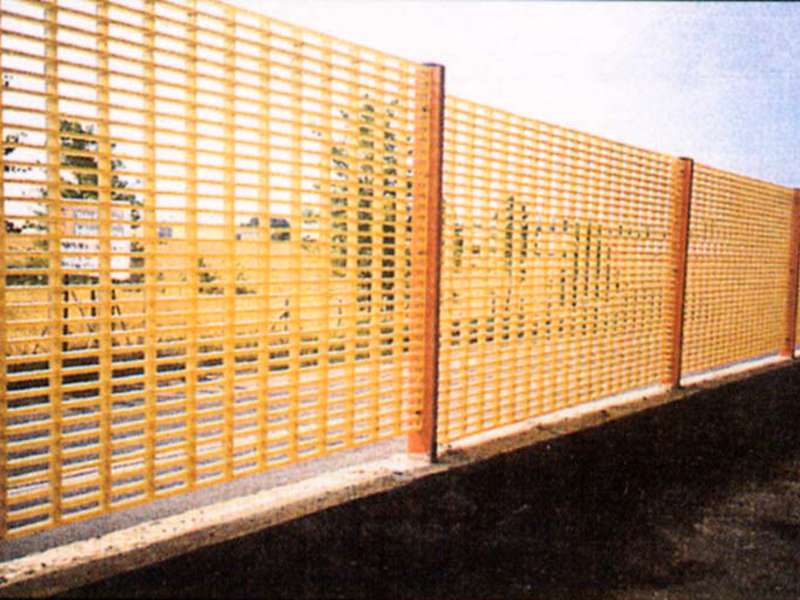
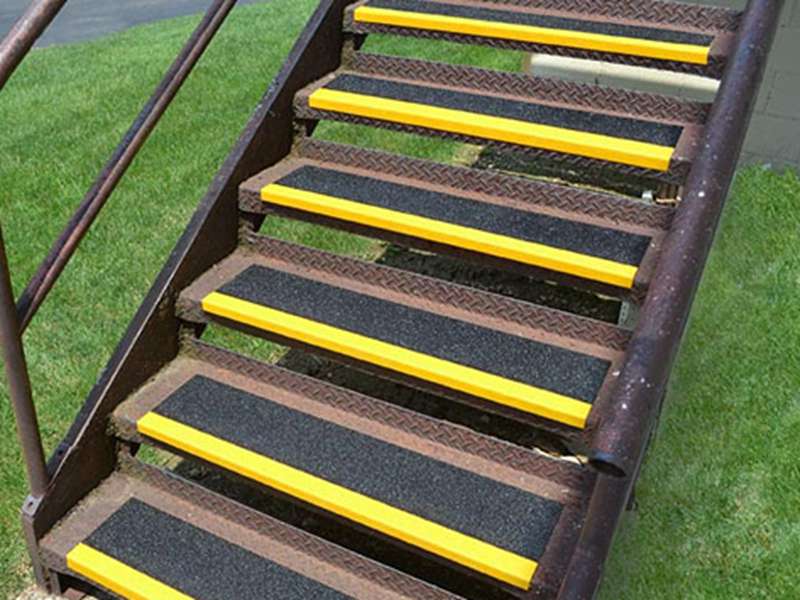
JRAIN-FRP offers a comprehensive range of fiberglass floor grating solutions to meet diverse needs. Our offerings include molded grating, which is a one-piece construction offering excellent load-bearing capacity and corrosion resistance, and pultruded grating, which is formed by pulling fiberglass strands through a resin bath. We also offer various mesh sizes and resin systems to optimize performance for specific applications. Here's a glimpse of our product range:
Installation and Maintenance Best Practices
Proper installation is crucial for ensuring the longevity and performance of fiberglass floor grating. Ensure the supporting structure is level and adequately designed to handle the anticipated loads. Use appropriate fasteners compatible with fiberglass materials. Regular inspections should be conducted to identify any signs of damage or wear. Cleaning can be done with mild soap and water; avoid using abrasive cleaners or solvents. Following these guidelines will help maximize the service life and safety of your fiberglass grating system. Explore our detailed installation guides on the JRAIN-FRP website for more information.
Conclusion: Choose Fiberglass for Durability and Safety
Fiberglass floor grating represents a significant advancement in safety and durability compared to traditional materials. Its corrosion resistance, lightweight nature, and low maintenance requirements make it an ideal choice for a wide range of applications. By choosing JRAIN-FRP’s fiberglass floor grating, you’re investing in a long-lasting, reliable, and safe solution for your project.
Frequently Asked Questions (FAQs)
What is the load capacity of fiberglass floor grating?
The load capacity of fiberglass floor grating varies depending on the grating’s construction (molded or pultruded), mesh size, panel thickness, and resin system. JRAIN-FRP offers a range of grating options with different load capacities to suit specific application requirements. We provide detailed load tables and engineering support to help you select the appropriate grating for your needs. Generally, fiberglass grating can support significant loads, often exceeding that of steel for comparable weights. It's crucial to consult our specifications and engineering team to determine the precise load capacity for your particular application.
How do I clean fiberglass floor grating?
Cleaning fiberglass floor grating is relatively simple. Generally, mild soap and water are sufficient for removing dirt and debris. Avoid using abrasive cleaners, solvents, or pressure washers, as these can damage the resin system. A soft brush or cloth can be used to scrub away stubborn stains. Rinse thoroughly with clean water. For more challenging stains, consult the JRAIN-FRP product datasheet for recommended cleaning agents.
What is the lifespan of JRAIN-FRP fiberglass floor grating?
JRAIN-FRP fiberglass floor grating is designed for a long service life, typically exceeding 25 years, even in harsh environments. The lifespan is influenced by factors such as exposure to UV radiation, chemicals, and mechanical stress. Our high-quality resin systems and manufacturing processes contribute to exceptional durability and corrosion resistance. Regular inspections and proper maintenance can further extend the lifespan of the grating. For specific details, please refer to our product warranties and technical documentation available on the JRAIN-FRP website.
Is fiberglass floor grating suitable for use in food processing facilities?
Yes, fiberglass floor grating is an excellent choice for food processing facilities. Its non-porous surface is easy to clean and sanitize, preventing the growth of bacteria and contaminants. It's also resistant to the harsh chemicals commonly used in cleaning and sanitizing processes. Furthermore, the non-conductive properties enhance safety in environments with electrical equipment. We offer grating options specifically formulated for food-grade applications, ensuring compliance with relevant regulations.
Latest news
-
Industrial High Pressure Fiberglass Pipe Guide and Technical SpecsNewsApr.16,2026
-
Industrial Storage Guide for Fiberglass Chemical TanksNewsApr.09,2026
-
Explore Durable and Customizable Custom Fiberglass Tanks for Your IndustryNewsApr.07,2026
-
Comprehensive Guide to Fiberglass Roof Tanks for Liquid Storage SolutionsNewsApr.04,2026
-
Comprehensive Guide to Durable and Corrosion Resistant Glass Fiber TanksNewsMar.31,2026
-
Comprehensive Guide to Tank Fiberglass Solutions and Their Diverse ApplicationsNewsMar.28,2026