Advanced FRP Vessel Solutions for Durable and Sustainable Infrastructure
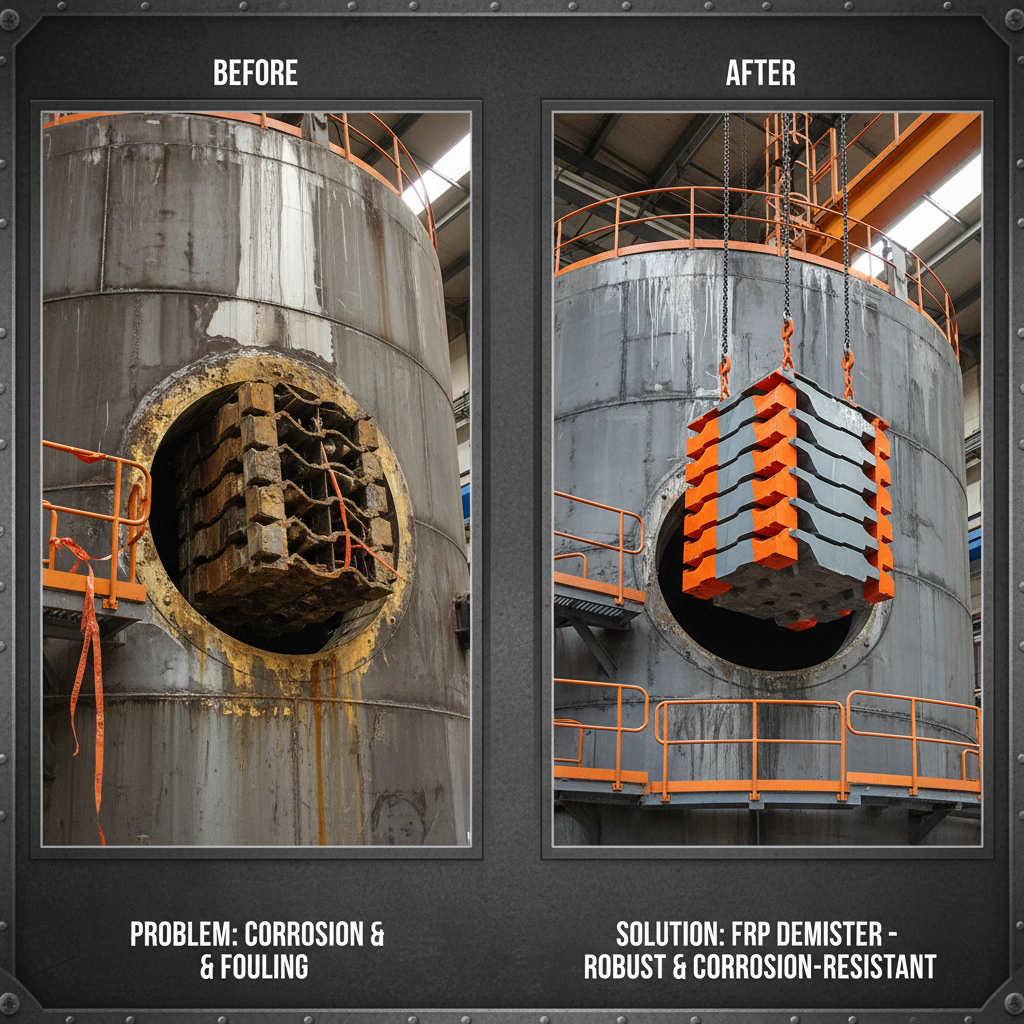
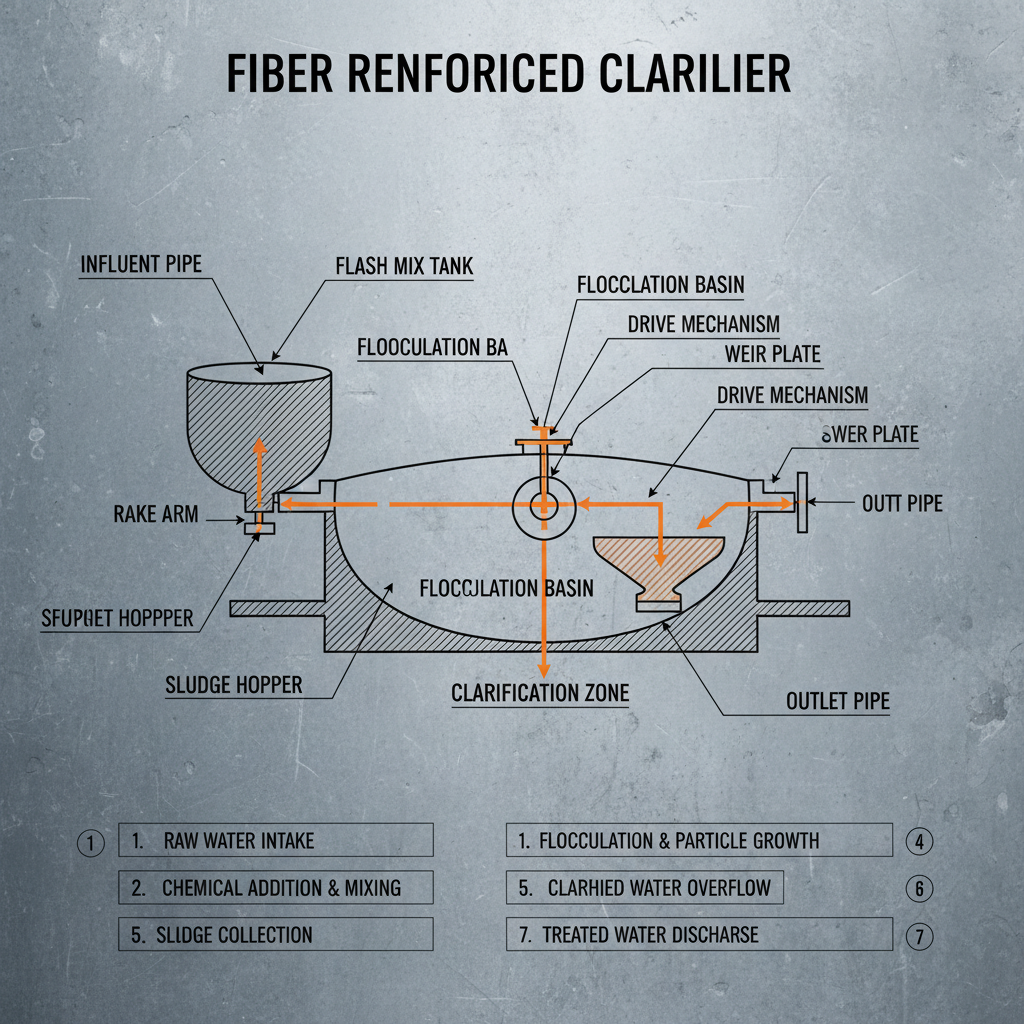
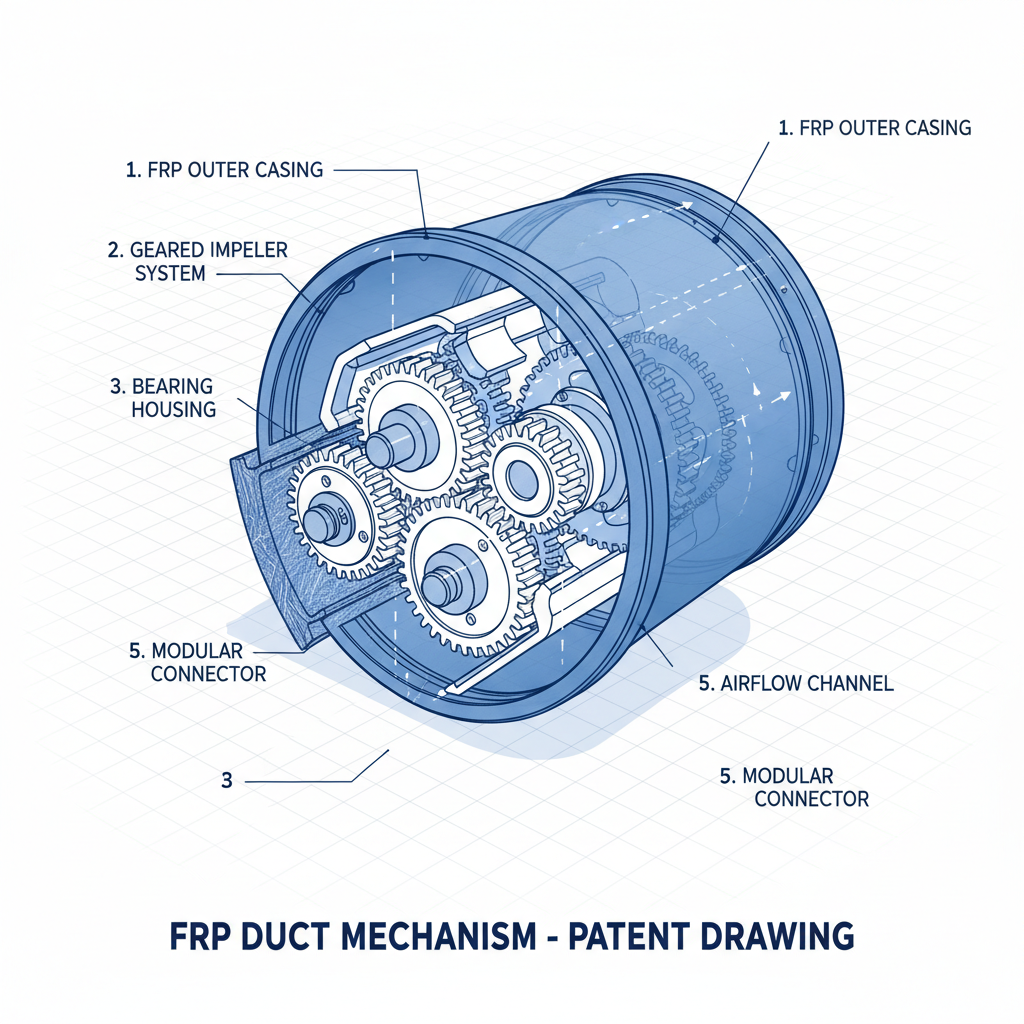
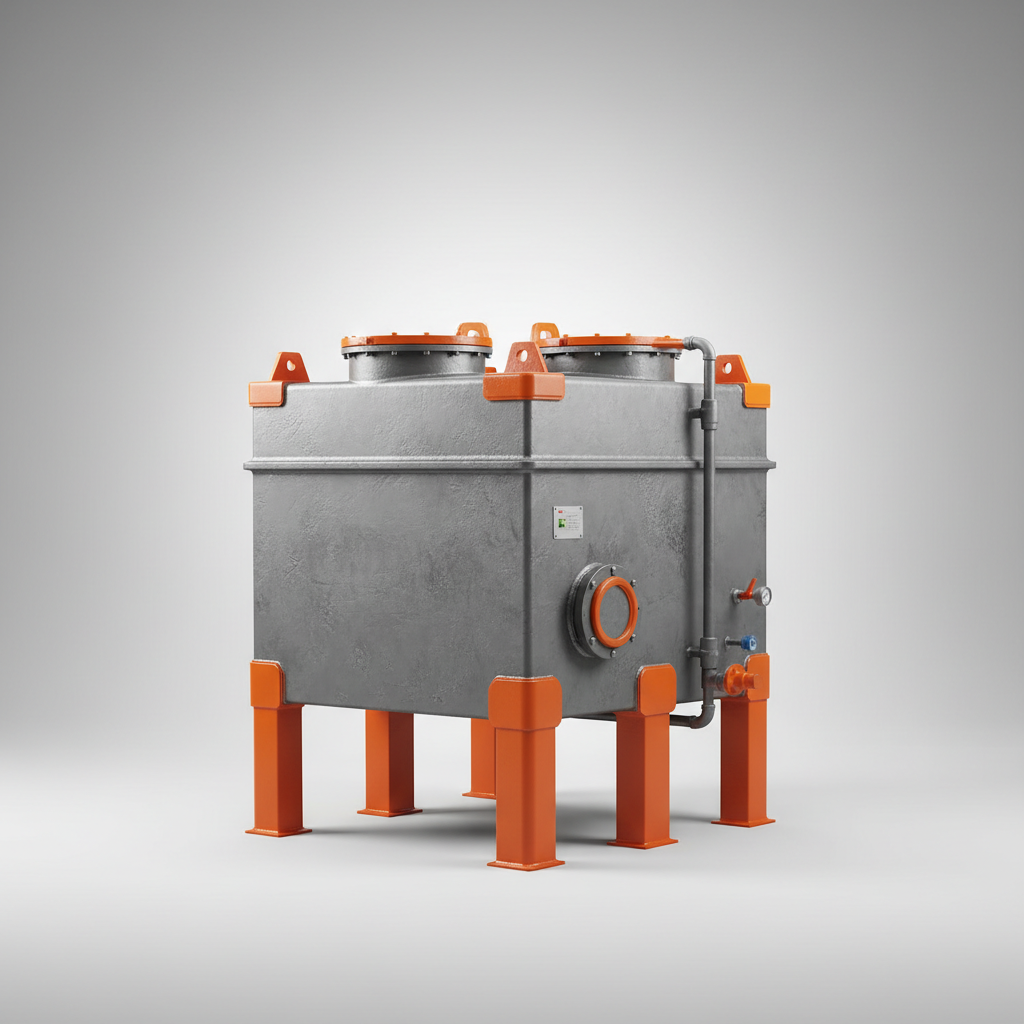
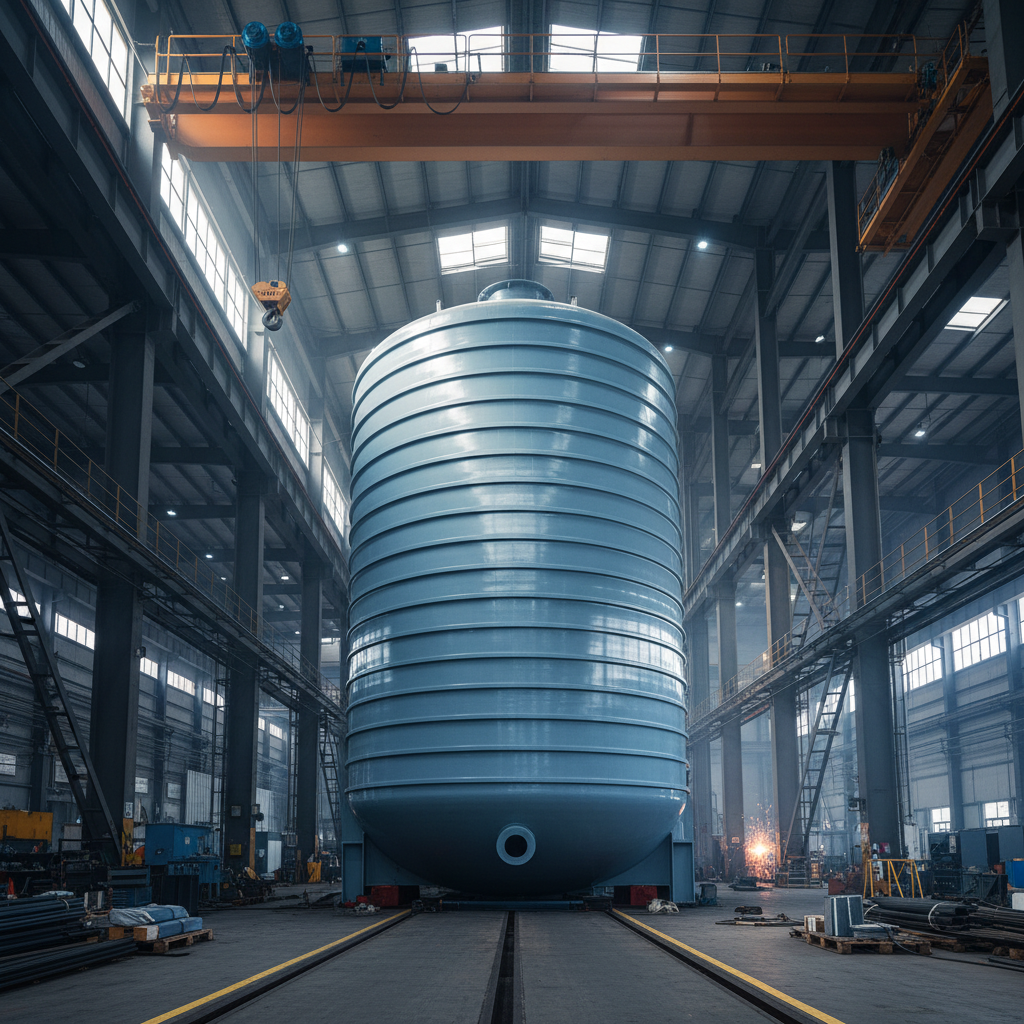
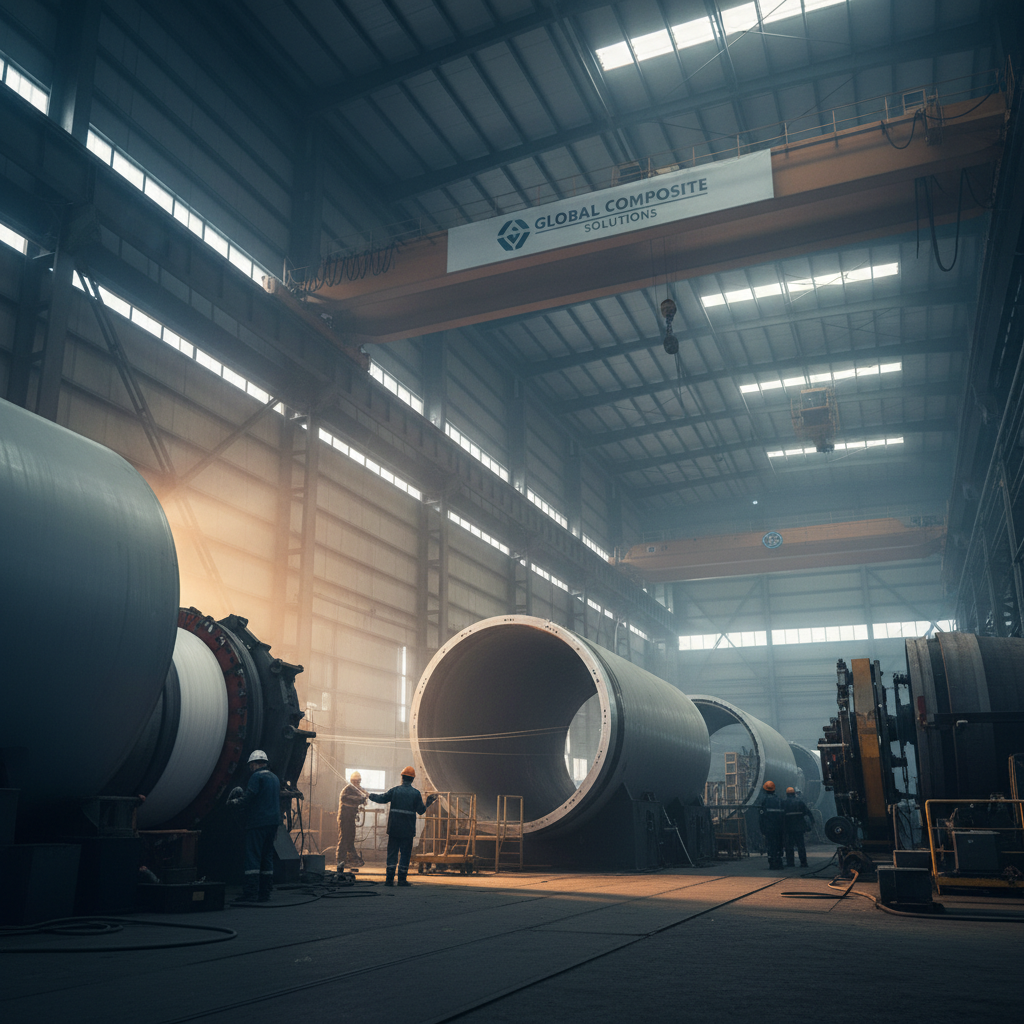
Fiber Reinforced Polymer (FRP) vessels are rapidly becoming integral to a wide spectrum of industries, from chemical processing and water treatment to oil & gas and even renewable energy storage. Their unique combination of strength, lightweight properties, and corrosion resistance offers significant advantages over traditional materials like steel and concrete. Understanding the nuances of frp vessel design, construction, and application is crucial for engineers, project managers, and anyone involved in infrastructure development and process industries. Globally, the demand for durable, sustainable, and cost-effective infrastructure is increasing exponentially, particularly in developing nations and environmentally sensitive areas. Traditional materials often fall short in meeting these demands due to their susceptibility to corrosion, high maintenance costs, and environmental impact. This drives the adoption of advanced materials like FRP, which address these challenges head-on. The United Nations Sustainable Development Goals (SDGs), particularly those related to clean water and sanitation (SDG 6) and industry, innovation, and infrastructure (SDG 9), are increasingly being supported by FRP solutions. An frp vessel is, fundamentally, a container or tank constructed using a composite material – typically a thermosetting resin reinforced with fibers such as glass, carbon, or aramid.
Read more »

 Afrikaans
  Albanian
  Amharic
  Arabic
  Armenian
  Azerbaijani
  Basque
  Belarusian
  Bengali
  Bosnian
  Bulgarian
  Catalan
  Cebuano
  China
China  China (Taiwan)
  Corsican
  Croatian
  Czech
Czech  Danish
  Dutch
Dutch  English
  Esperanto
  Estonian
  Finnish
  French
  Frisian
  Galician
  Georgian
  German
  Greek
Greek  Gujarati
  Haitian Creole
  hausa
hausa  hawaiian
  Hebrew
  Hindi
Hindi  Miao
Miao  Hungarian
  Icelandic
  igbo
igbo  Indonesian
  irish
irish  Italian
  Japanese
  Javanese
  Kannada
  kazakh
  Khmer
Khmer  Rwandese
  Korean
  Kurdish
  Kyrgyz
  Lao
Lao  Latin
Latin  Latvian
  Lithuanian
  Luxembourgish
  Macedonian
  Malgashi
  Malay
Malay  Malayalam
  Maltese
  Maori
Maori  Marathi
  Mongolian
  Myanmar
  Nepali
  Norwegian
  Norwegian
  Occitan
  Pashto
  Persian
  Polish
  Portuguese
  Punjabi
  Romanian
  Russian
  Samoan
  Scottish Gaelic
  Serbian
  Sesotho
  Shona
Shona  Sindhi
  Sinhala
  Slovak
  Slovenian
  Somali
  Spanish
  Sundanese
  Swahili
  Swedish
  Tagalog
  Tajik
Tajik  Tamil
Tamil  Tatar
Tatar  Telugu
  Thai
Thai  Turkish
  Turkmen
  Ukrainian
  Urdu
Urdu  Uighur
  Uzbek
Uzbek  Vietnamese
  Welsh
Welsh  Bantu
Bantu  Yiddish
  Yoruba
  Zulu
Zulu